
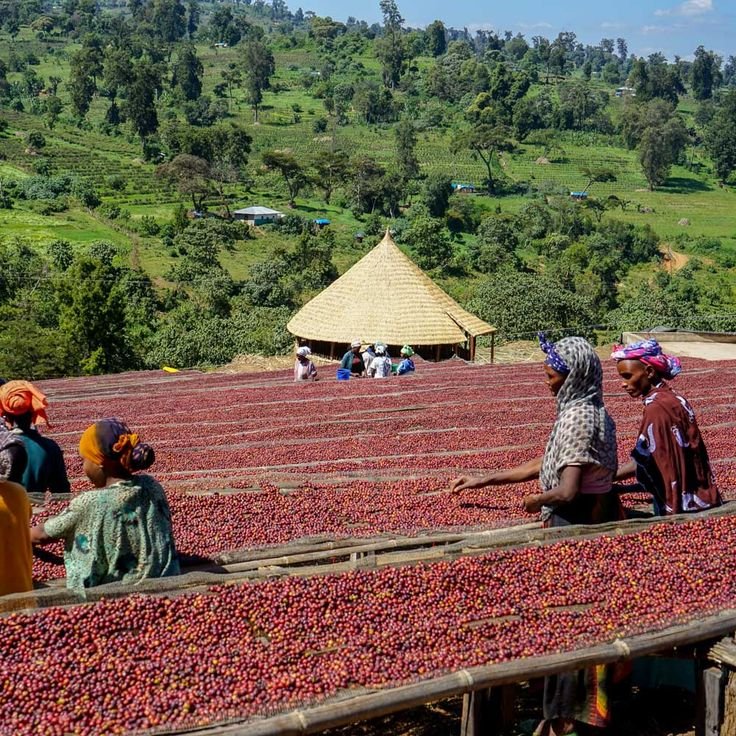
Uganda is now Africa’s largest coffee exporter by volume and this achievement is doing something remarkable; it is opening a new chapter in how the world sees us as a destination.
The numbers 8.7 million bags exported, USD 2.4 billion earned, 12 million livelihoods touched are not just agricultural headlines. They are the foundation of a tourism narrative that is gaining real momentum, and Uganda Tourism Board is here for it.
Tourism has always been Uganda’s story to tell. Gorillas. Chimpanzees. Murchison Falls. The source of the Nile. These are world-class products that have anchored our brand for decades and continue to draw visitors from every corner of the globe.
What coffee does is add a new and compelling dimension to that story one grounded in landscape, culture, heritage, and human connection.
Here is what makes Uganda’s coffee geography genuinely extraordinary. We grow both Robusta and Arabica, in the lowlands around Lake Victoria and on the high slopes of Mount Elgon and the Rwenzoris. That is not just agricultural diversity; it is a ready-made touring circuit connecting landscapes that are already beautiful and ecosystems that are already protected. Coffee does not sit outside Uganda’s core tourism offering. It deepens it.
And now momentum is building in a very tangible direction. In 2027, Uganda will host the African Fine Coffees Association Conference and Expo the room where global buyers, roasters, traders and executives make decisions about where coffee money flows. Uganda is not just participating in that conversation. We are hosting it.
That is a statement of confidence in what this country has built. The opportunity this creates for tourism is significant. When those delegates arrive, Uganda has a chance to show them something that no conference brochure can replicate: a hillside in Kasese, a cup brewed from beans picked on that very ground, a farmer whose family has worked that land for three generations. That is the kind of experience that turns a buyer into an advocate, and an advocate into a return visitor.
This is a path that other coffee nations have already walked. Colombia built origin tourism into its national brand the farm became the destination. Ethiopia anchored cultural tourism around its coffee heritage. These are strategic decisions that transformed agriculture into attraction and export into experience. Uganda, with its extraordinary diversity of growing regions, its warm hospitality, and its breathtaking landscapes, is positioned to tell that story with a distinctly Ugandan voice.
Efforts are already underway to develop coffee tourism circuits in regions like Mbale, Zombo, and Kasese connecting visitors to the farms, the farmers, and the full sensory experience of origin. Tour operators are beginning to package these experiences. Guides are being trained. The rural hospitality offer is growing. What is exciting is that this does not require building something entirely new. The mountains are already there. The farms are already there. The people and the pride are already there. Tourism is simply giving them a wider audience.
For the visitor, this adds a dimension to Uganda that few African destinations can offer. Not just wildlife and wilderness though we have both in abundance but the chance to sit with a smallholder family, to understand what goes into every harvest, to trace the journey from red cherry to roasted bean in the place where it all begins.
That is immersive, meaningful travel. It is exactly what the modern visitor is looking for. For Uganda as a destination, coffee tourism represents genuine diversification. It spreads the visitor economy beyond the traditional safari circuit into landscapes and communities that are no less remarkable. It connects urban visitors and international guests to rural Uganda in ways that are authentic and economically meaningful. And it adds resilience to the tourism offer, and to the farming households who host it.
Uganda has always been more than one story. We are the Pearl of Africa precisely because there are so many ways to experience us. Coffee is not a footnote to that story. Increasingly, it is one of the most compelling chapters and the world is beginning to turn the page.
The 2027 conference is not just a milestone for Uganda’s coffee sector. It is an invitation to the world to come and discover what we already know and that this country grows extraordinary things, in extraordinary places, tended by extraordinary people.
Come and taste it at the source.
