
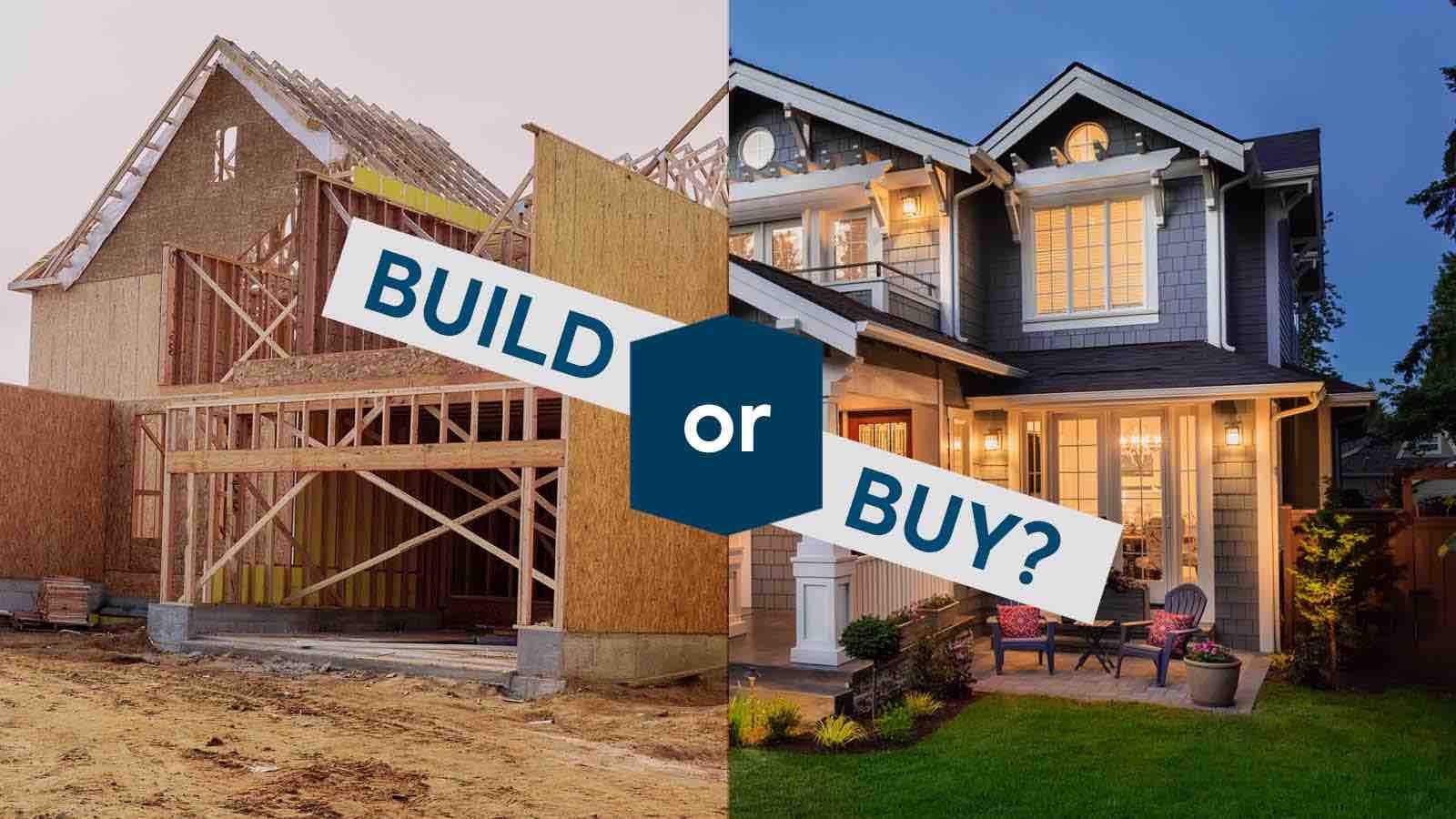
“Do you build from scratch or buy a finished house?”
That is the question many Ugandan professionals face the moment they secure capital or mortgage approval.
At first glance, the answer seems obvious. Building looks cheaper. But in reality, the decision is more complex. It is not just about money. It is about time, control, and risk.
Building your own home is, on paper, the more cost-effective option. When you purchase a completed house, you are not just paying for land and construction. You are also covering the developer’s financing costs, marketing expenses, and profit margins, which can range from 20% to 40%.
In today’s market, constructing a standard 3-bedroom house in Uganda typically costs between UGX 90 million and UGX 150 million, depending on finishes. Even a more upscale home may cost around UGX 200 million to build.
Now compare that to buying. A completed 4-bedroom house in areas like Kira can go for about UGX 600 million. If you instead purchase land for UGX 80 million and spend UGX 150 million on construction, your total investment is roughly UGX 230 million.
That difference is not small.
As one Kampala-based contractor puts it, “When you build, you are paying for the house. When you buy, you are paying for the house and the business behind it.”
But cost alone does not tell the full story.
“Building gives you something money alone cannot buy: control.”
When you build, you decide everything. The layout, the finishes, the room sizes, even future expansion plans. You are not adjusting to someone else’s design. You are creating a home that fits your exact lifestyle.
However, this flexibility comes at a price.
Many professionals underestimate what is often called the “hustle tax.” Managing a construction site in Uganda requires constant attention. If you are not present or do not have a trusted supervisor, material losses can occur. Cement disappears, labour costs inflate, and small inefficiencies quietly increase your total budget.
A property consultant explains it simply: “The biggest hidden cost in building is not materials, it is supervision.”
There are also infrastructure realities. Buying a finished home means water and electricity are already connected. Building on undeveloped land may require you to handle power installation, water access, and waste systems yourself.
Then there is time.
A well-built home can take anywhere from 8 months to 2 years to complete. During this period, your money is tied up in a project you cannot yet use, while you may still be paying rent elsewhere.
On the other hand, buying offers something building cannot: immediacy and certainty.
With a completed house, you move in almost instantly. If it is an investment, it can begin generating rental income right away. There are no delays, no project risks, and fewer unknowns.
Financing is also easier. Banks are generally more willing to fund completed properties than construction projects, which involve phased disbursements and ongoing valuations.
So what is the smarter choice?
“Building saves money. Buying saves time.”
If you have the flexibility to manage a project or can hire trusted oversight, building is often the better financial move. You retain more value and gain full design control.
But if your schedule is tight or you value convenience, buying may be worth the premium. You are paying not just for a house, but for speed, simplicity, and peace of mind.
In the end, the decision is not just about what is cheaper.
It is about what your time is worth, and how much control you want over the process.
