
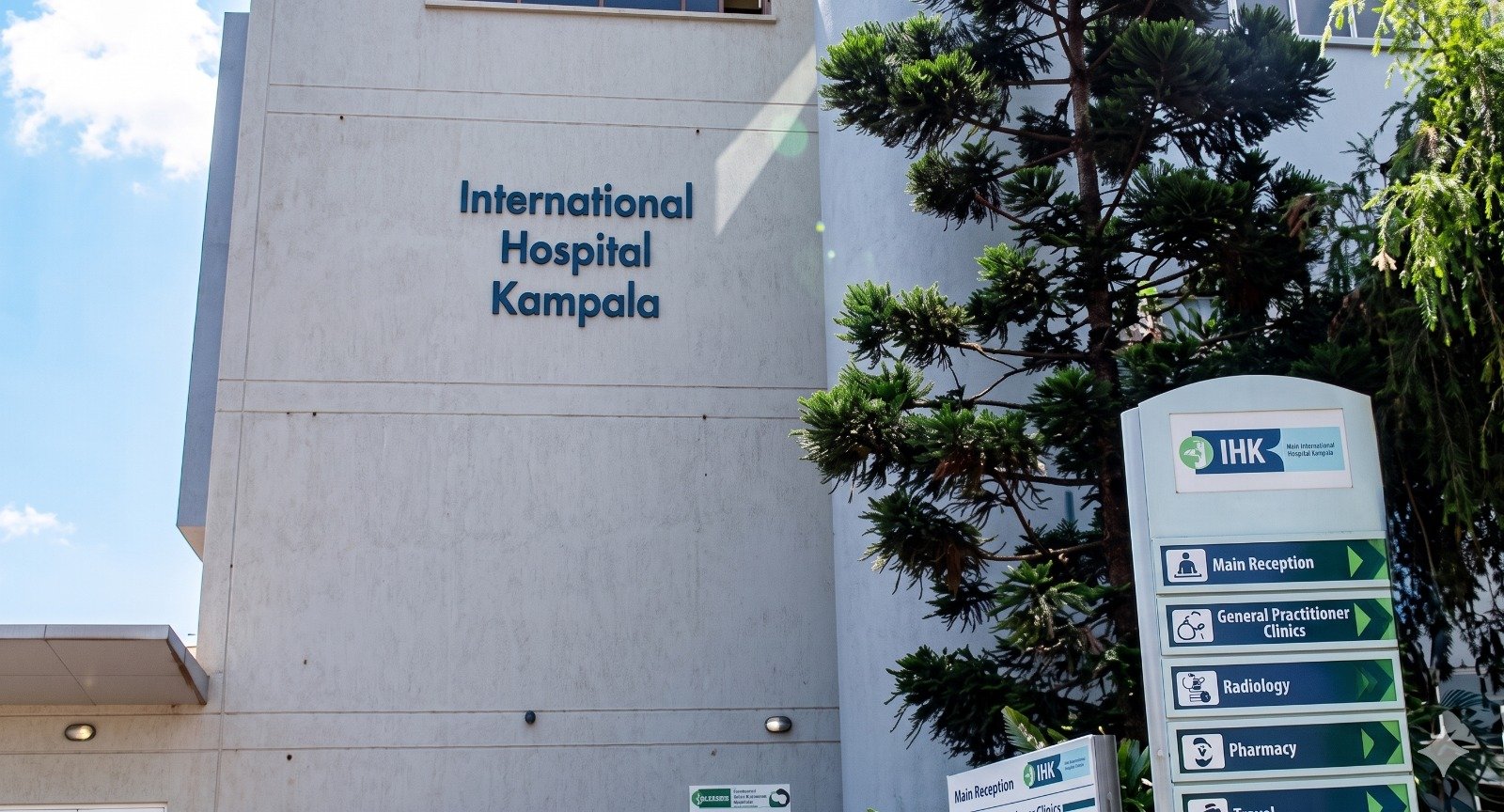
When a company takes on the Uganda Revenue Authority (URA) in court, the outcome rarely affects just one organisation. It often reshapes how other businesses operate behind the scenes.
That is exactly what happened on April 10, 2026, when the Tax Appeals Tribunal delivered its ruling in the case between International Hospital Kampala (IHK) and the URA. What began as a technical tax dispute quickly turned into a powerful lesson on how operational gaps can quietly destroy revenue.
The case came from a URA audit covering July 2018 to June 2022. Two key issues were under scrutiny: whether certain hospital services should attract VAT, and whether unpaid debts could be written off for tax purposes.
On the VAT issue, IHK secured a major win.
URA had issued a tax assessment of over Shs. 356 million, arguing that meals served to patients were a separate commercial service and therefore taxable. The hospital, however, argued that food for admitted patients is part of treatment, not an independent business activity.
The Tribunal agreed with the hospital.
It ruled that meals for inpatients are directly linked to medical care and cannot be separated from it. This introduced and reinforced what is known as the “composite supply” principle. In simple terms, if a service is essential to delivering a primary service, it takes on the same tax treatment.
For businesses, this is significant. It means that not every additional service is automatically taxable. If it is necessary for the core service to function, it may fall under the same tax category. However, the ruling also made a distinction. Meals bought by visitors or caretakers are still considered separate and taxable.
But while IHK won on VAT, the second part of the case exposed a much more costly weakness.
The hospital attempted to write off over Shs. 667 million owed by major insurance companies. These included some of the largest players in the market. On paper, it looked like standard bad debt. In practice, it was something else.
The Tribunal found that the insurers had not refused to pay because they lacked funds. They rejected the claims because IHK failed to meet agreed procedures. Some claims were submitted after the required timelines. Others lacked proper pre-authorization. In some cases, the treatments billed were not covered under the insurance policies.
These may sound like small administrative issues, but legally, they changed everything.
For a debt to be written off, a business must prove it had a valid legal right to be paid. In this case, that right never fully existed because the hospital did not meet the contractual conditions.
As the Tribunal stated, administrative inefficiencies cannot create a legal right where none exists.
The implication is simple but serious. A company cannot rely on tax deductions to recover losses caused by its own internal failures.
Interestingly, IHK did succeed in writing off some smaller debts from individual patients. This was because the hospital provided detailed evidence of recovery efforts. They showed records of follow-ups and even engaged a professional debt collection agency. This documentation proved that reasonable steps had been taken, which satisfied the Tribunal.
This contrast is important. Where systems and documentation were strong, the hospital was protected. Where processes broke down, the losses remained.
For business leaders, the lessons are clear.
First, structure matters. How you package and deliver your services can directly affect your tax exposure. Second, documentation is critical. Without a clear paper trail, even legitimate claims can fail. Third, and most importantly, operational discipline is now a financial strategy.
In today’s environment, revenue is not just about making a sale. It is about meeting every condition required to secure payment.
This case is both a win and a warning.
It protects businesses from being unfairly taxed on integrated services. But it also removes any safety net for inefficiency. If your internal systems fail, the cost stays with you.And as this ruling shows, that cost can be enormous.
