
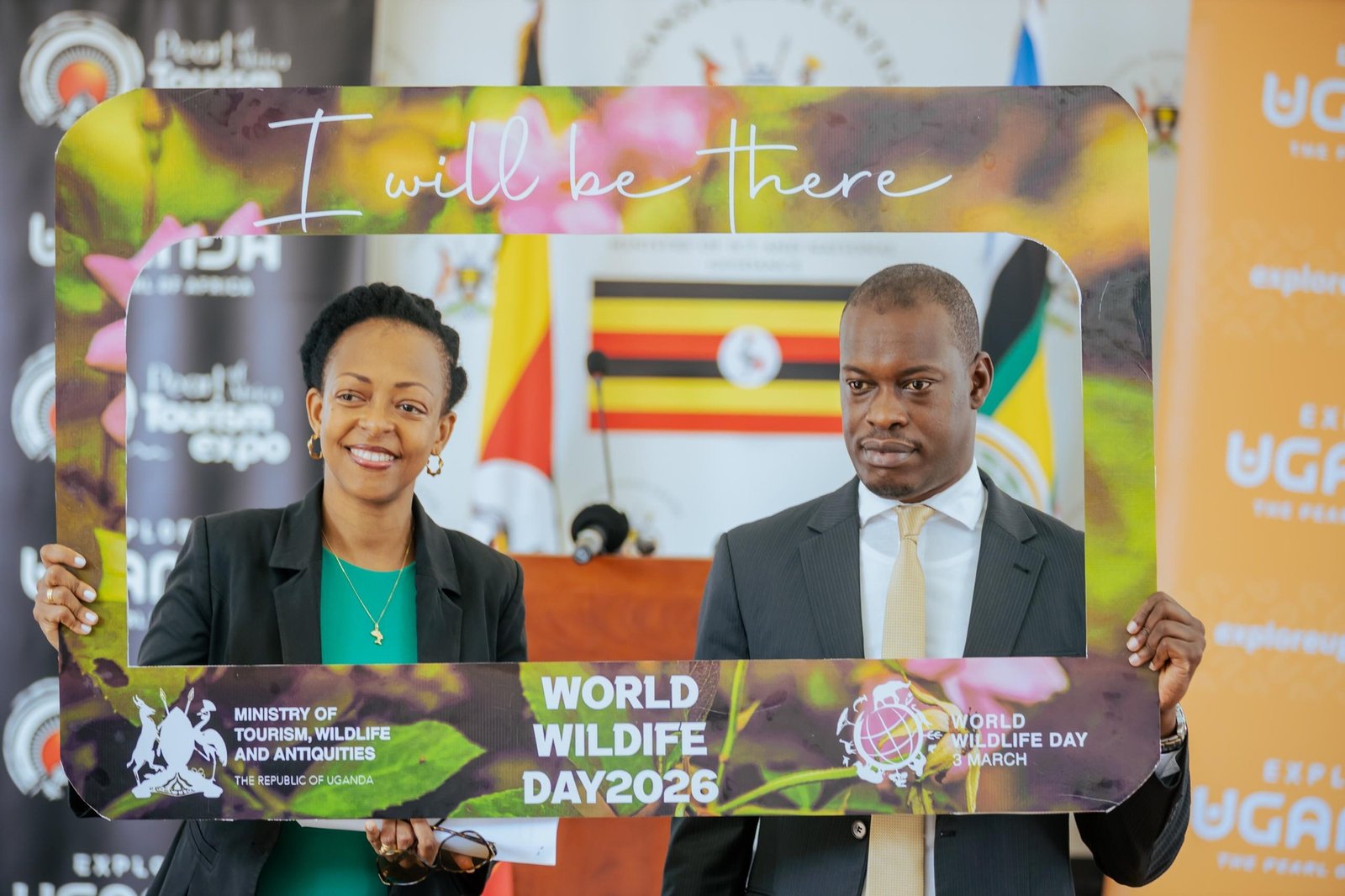
The Uganda Tourism Board, was part of the official launch of the national preparations for World Wildlife Day 2026 on February 5 at the Uganda Media Centre in Kampala, marking the kickoff to the March 3 global observance under the UN theme “Medicinal and Aromatic Plants: Conserving Health, Heritage and Livelihoods” with UTB CEO Juliana Kagwa using the platform to announce a strategic shift toward herbal and medicinal tourism as a new sector for attracting international visitors.

Kagwa emphasized that Uganda is deliberately expanding beyond traditional wildlife safaris toward more immersive, heritage-based experiences, positioning the country’s exceptional biodiversity and equatorial advantages for emerging sectors like herbal and medicinal tourism. Drawing a comparison to Thailand, which attracts millions of visitors annually through culture- and education-driven tourism models, she said: “We can leverage our natural resources to create distinctive herbal and medicinal tourism experiences that offer authentic, sustainable value to visitors while generating economic benefits for local communities.”
Hon. Martin Mugarra, Minister of State for Tourism, Wildlife and Antiquities, presided over the launch and called for widespread public participation. “I call upon all Ugandans to join the celebrations on March 3, 2026, and to actively support the protection of these vital plant resources that sustain our biodiversity, culture, and community wellbeing,” he said. This year’s theme highlights the role of medicinal and aromatic plants in supporting human health, preserving cultural heritage, and sustaining livelihoods, while warning of threats such as overharvesting, habitat destruction, and illegal trade.
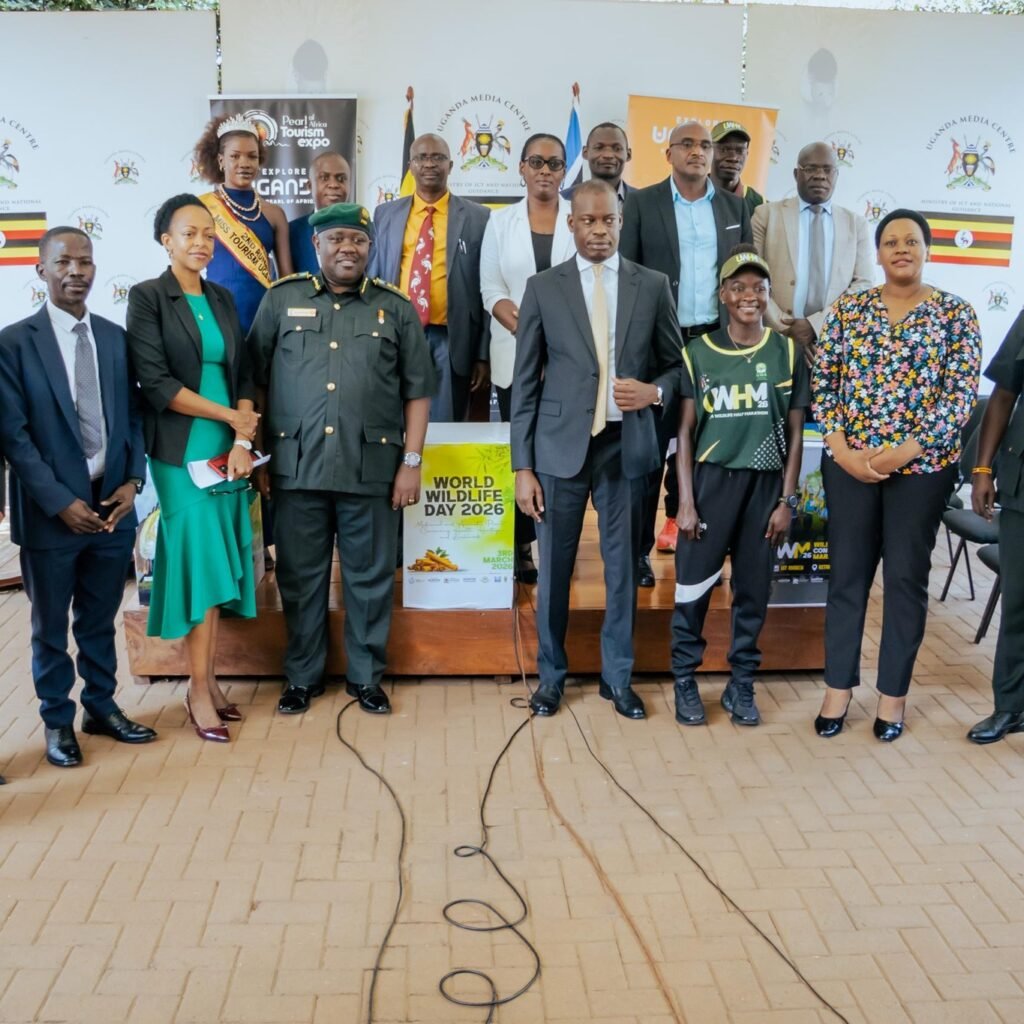
Speaking at the launch, UWA Executive Director Dr. James Musinguzi announced that the authority is diversifying tourism products to align with the growing interest in medicinal and aromatic plants. “UWA is diversifying tourism products including botanical modern trails,” he said, signalling that conservation sites will begin offering structured experiences around Uganda’s medicinal plant heritage, a move that complements UTB’s herbal tourism strategy.
The launch featured the unveiling of official kits for the Uganda Wildlife Half Marathon 2026, scheduled for March 1 and dedicated to supporting children of fallen wildlife rangers. Additional build-up activities include conservation-themed school and university competitions covering music, dance, and drama; the National Crane Festival; Conservation Media Awards; and a dedicated National Conference on wildlife and conservation. The program will culminate in the main national celebration on March 3, 2026, at the Entebbe Botanical Gardens.
World Wildlife Day, established by the United Nations in 2013, commemorates the adoption of the Convention on International Trade in Endangered Species of Wild Fauna and Flora (CITES) on March 3, 1973. Uganda’s 2026 program aligns national conservation priorities with the international call to safeguard medicinal and aromatic plants for future generations, while using the platform to position the country as a destination for a tourism sector that few African nations have tapped: travelers seeking authentic experiences around traditional medicine and herbal knowledge.
