
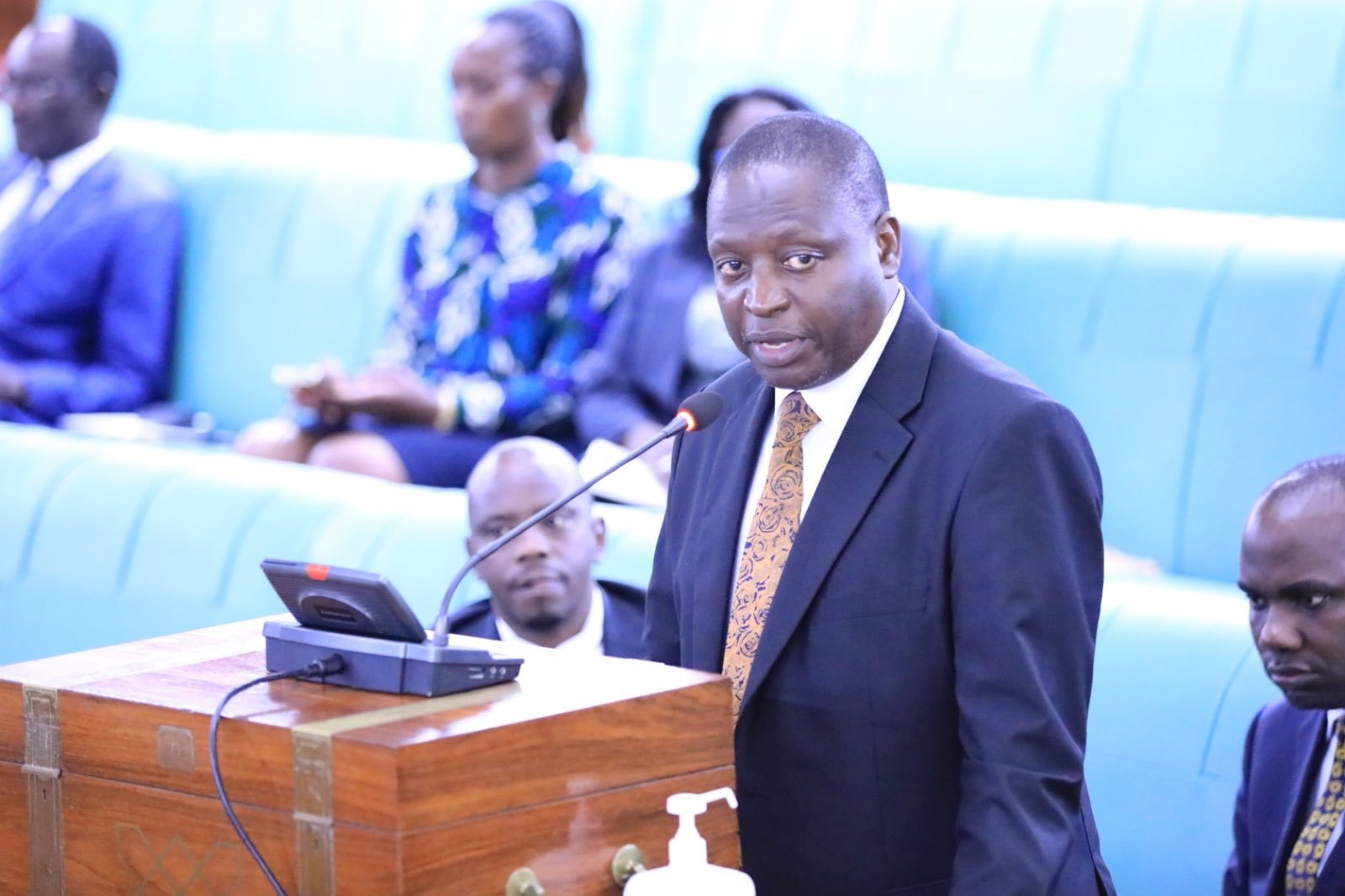
On April 24, Uganda’s State Minister for Trade, David Bahati, announced a nationwide suspension of the controversial “trade order”, a directive that had aimed to remove street vendors, kiosks, and informal traders from urban walkways and road reserves.
While the immediate reaction in Kampala has been relief among traders, the bigger story goes far beyond Uganda’s streets. This pause is not just a policy adjustment. It is a real-time case study of a deeper economic challenge facing many developing countries: how to transition from an informal economy to a formal one without breaking the system that keeps millions of people alive.
Across cities in Africa, Asia, and Latin America, the informal sector is not a side economy. It is the economy.
Street vendors and kiosks form the backbone of what businesses call the “last mile” of distribution. They break bulk goods into small, affordable units and make them accessible to low-income consumers. For large companies in FMCG, telecoms, and retail, these traders are not just informal operators. They are essential distribution points.
From a boardroom perspective, it is easy to support “clean cities” and structured urban planning. But the reality on the ground is more complex. When informal trading networks are disrupted, supply chains feel the impact immediately. Sales channels shrink, product access is reduced, and low-income consumers are cut off from essential goods.
The intention behind such trade orders is often valid. Cities need order. They need proper drainage, walkways, and regulated markets to attract investment and improve public health. However, the challenge lies in execution.
The informal trader typically operates on extremely thin margins. Moving into formal markets introduces new costs such as rent, taxes, and reduced visibility. For many vendors, this shift is financially impossible without support. When relocation is enforced without transition structures, the result is not modernization. It is economic displacement.
In many cases, this creates unintended consequences. Loss of daily income can increase urban poverty pressure, strain household survival strategies, and in some contexts, contribute to rising informal coping mechanisms such as petty crime.
The suspension of Uganda’s directive therefore highlights a critical policy truth: you cannot formalize an economy by force alone.
For businesses, this situation carries an important strategic message. Informal traders are often treated as temporary or unstable channels, but in reality they are deeply embedded in consumer ecosystems. Any disruption to them directly affects product movement and revenue flow.
As cities continue to modernize, the informal sector will not disappear overnight. Instead, it will either be integrated or repeatedly disrupted. This creates a long-term risk for companies that depend heavily on it for distribution.
The key question for corporate leaders is no longer whether informal markets matter, but how to engage them sustainably.
Possible approaches include working with local authorities to design affordable market spaces, supporting micro-credit systems that help traders formalize gradually, or rethinking distribution models that reduce overdependence on street-level volatility.
Uganda’s policy pause is not just a local political decision. It is a reminder that economic transformation is not simply about regulation or enforcement. It is about transition.
Order is necessary. But sustainable order must be built, not imposed.
