
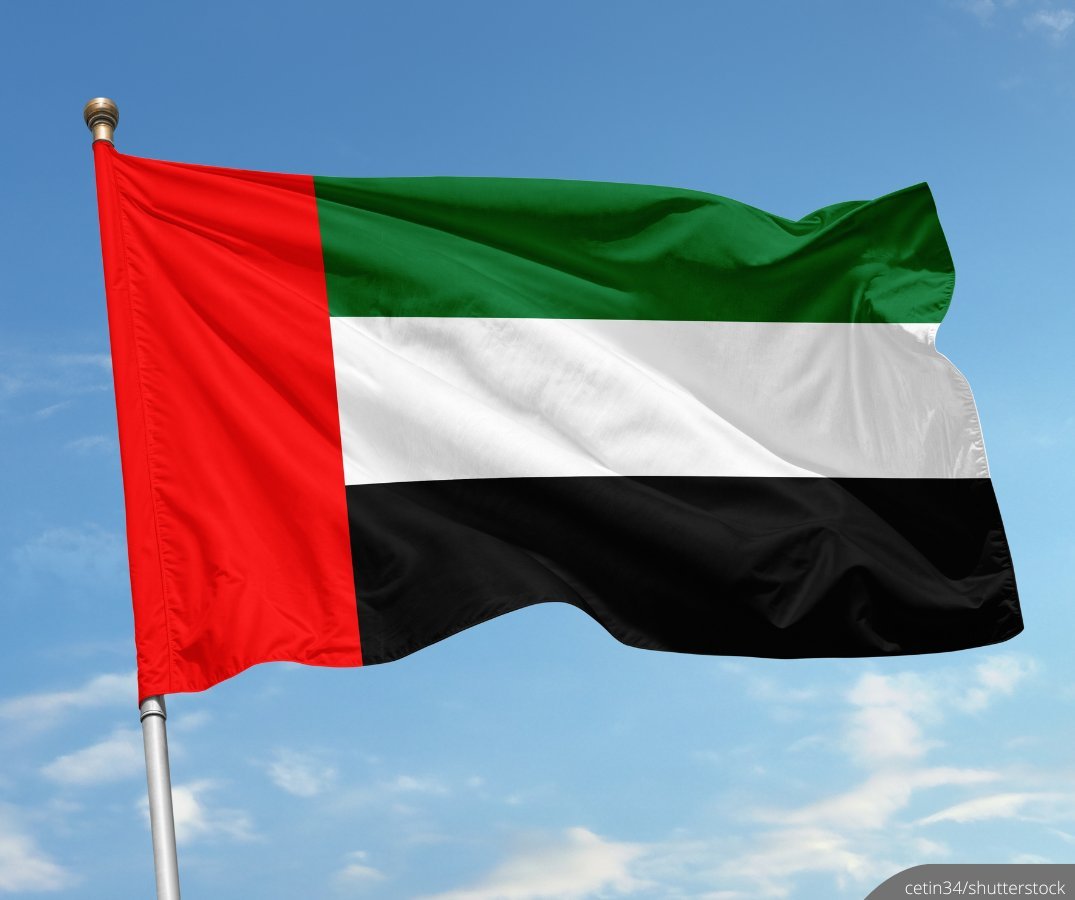
The global oil order has just been shaken. On April 28, 2026, the United Arab Emirates officially announced its withdrawal from OPEC and the wider OPEC+ alliance, ending decades of membership and signaling a rare rupture in Gulf energy unity.
The move marks more than a policy adjustment. It is a structural break in how oil-producing nations coordinate power, pricing, and production in global markets. For a bloc built on collective discipline, the exit of a major producer signals a weakening of shared control at a moment of heightened geopolitical tension.
OPEC, or the Organization of the Petroleum Exporting Countries, is a coordination body of 11 major oil producers designed to stabilize global oil markets through shared production policies. Its core functions include aligning member strategies, reducing extreme price volatility, and collectively adjusting supply to influence global pricing. For decades, this system has relied on unity, particularly among Gulf producers, to maintain influence over global energy flows.
The UAE’s departure reflects a growing tension between collective restraint and national ambition. For years, Abu Dhabi has operated under production quotas that limited how much oil it could export despite having the capacity to produce more. Officials argue that these constraints increasingly conflict with the country’s long-term economic strategy, particularly its push toward diversification under Vision 2031, which prioritizes artificial intelligence, logistics, and advanced industries alongside energy.
As one senior Emirati official reportedly stated, “We can produce more, but we cannot fully monetize that capacity under the current structure. Our economic future requires flexibility, not restriction.”
Beyond production limits, the decision also reflects rising regional competition. Gulf economies are no longer moving in lockstep. Instead, they are increasingly competing for foreign investment, technological leadership, and global influence. This shift has quietly strained relationships that once anchored OPEC’s unity.
The timing of the exit is especially significant. It comes amid severe disruption in global energy routes due to escalating tensions involving Iran and instability around the Strait of Hormuz, one of the world’s most critical oil chokepoints. While these disruptions have temporarily muted export flows, analysts warn that the UAE’s absence could reshape pricing dynamics once normal shipping conditions return.
Market observers note that the UAE retains substantial spare production capacity. If deployed independently, this output could significantly increase global supply, potentially placing downward pressure on oil prices over the medium term. More importantly, it reduces OPEC’s ability to manage supply collectively, weakening one of its most powerful tools: coordinated production restraint.
As one energy analyst observed, “The loss of the UAE does not just reduce output control, it reduces credibility. OPEC is now more exposed to independent strategies than at any point in decades.”
The broader concern for remaining members is the risk of fragmentation. While OPEC continues to coordinate production among its 11 remaining members, the departure raises questions about long-term cohesion. If other producers begin to prioritize national strategies over collective agreements, the cartel’s influence could steadily erode.
Saudi Arabia remains the dominant force within the group, but even its leadership is now operating in a more fragmented environment. Recent small production adjustments by remaining members highlight ongoing attempts to stabilize markets, yet without the UAE’s balancing capacity, coordination becomes more complex.
Ultimately, the UAE’s exit represents more than a withdrawal from an institution. It reflects a shift in how energy power is being defined. Control is moving away from collective blocs toward national strategies driven by economic diversification and geopolitical flexibility.
As one commentator summarized, “This is no longer just about oil production. It is about who gets to define the future of energy itself.
The global energy system is now entering a more fragmented phase, where coordination is weaker, competition is sharper, and predictability is no longer guaranteed.
