
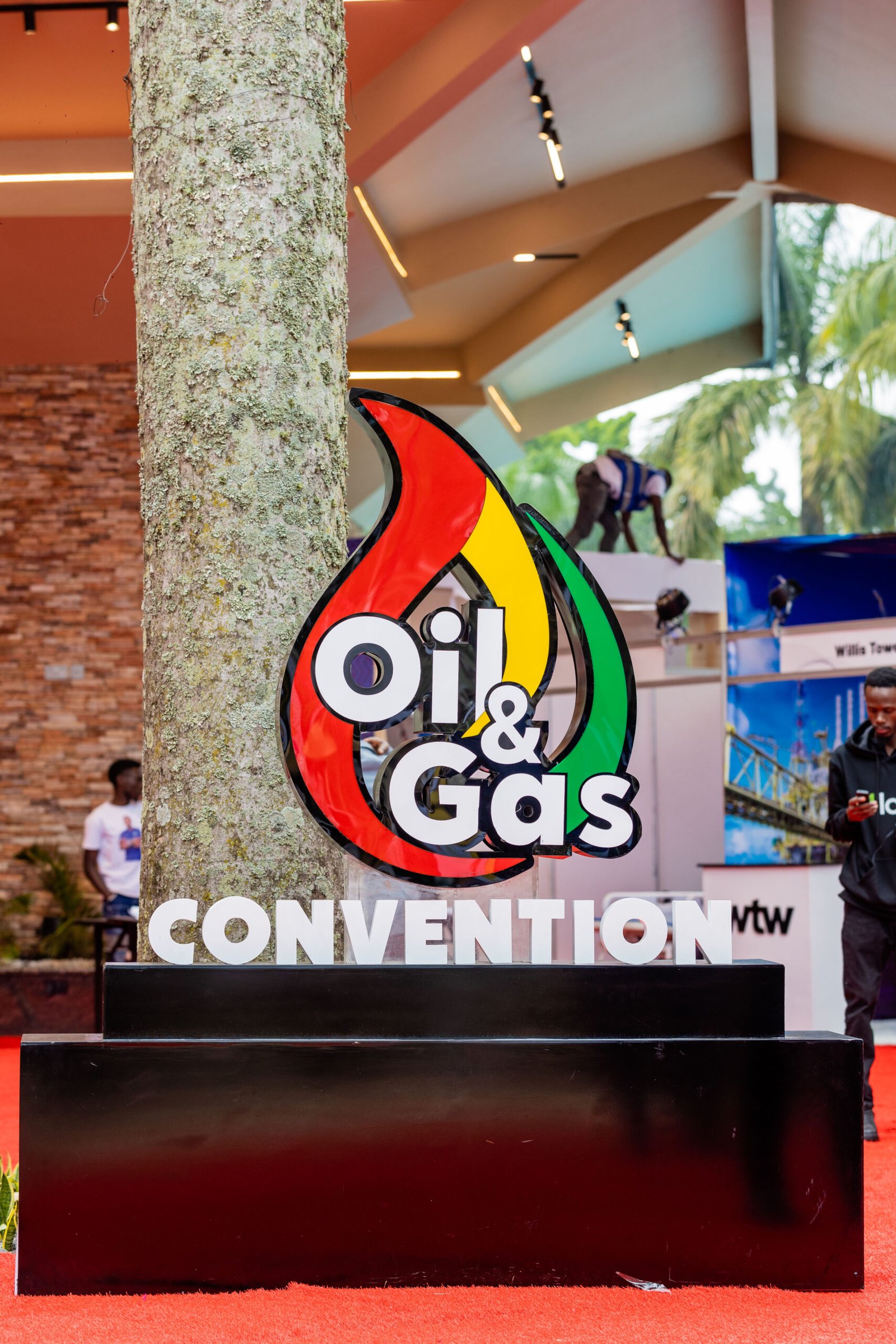
There is a phrase that has echoed through Uganda’s petroleum corridors for over a decade. It has been a promise, a projection, a political talking point, and at times, a question mark.
But as delegates converge at Speke Resort Munyonyo on April 28 and 29, 2026, for the 11th Annual Oil and Gas Convention, the tone has shifted decisively. This is no longer a conversation about if it is a conversation about now.
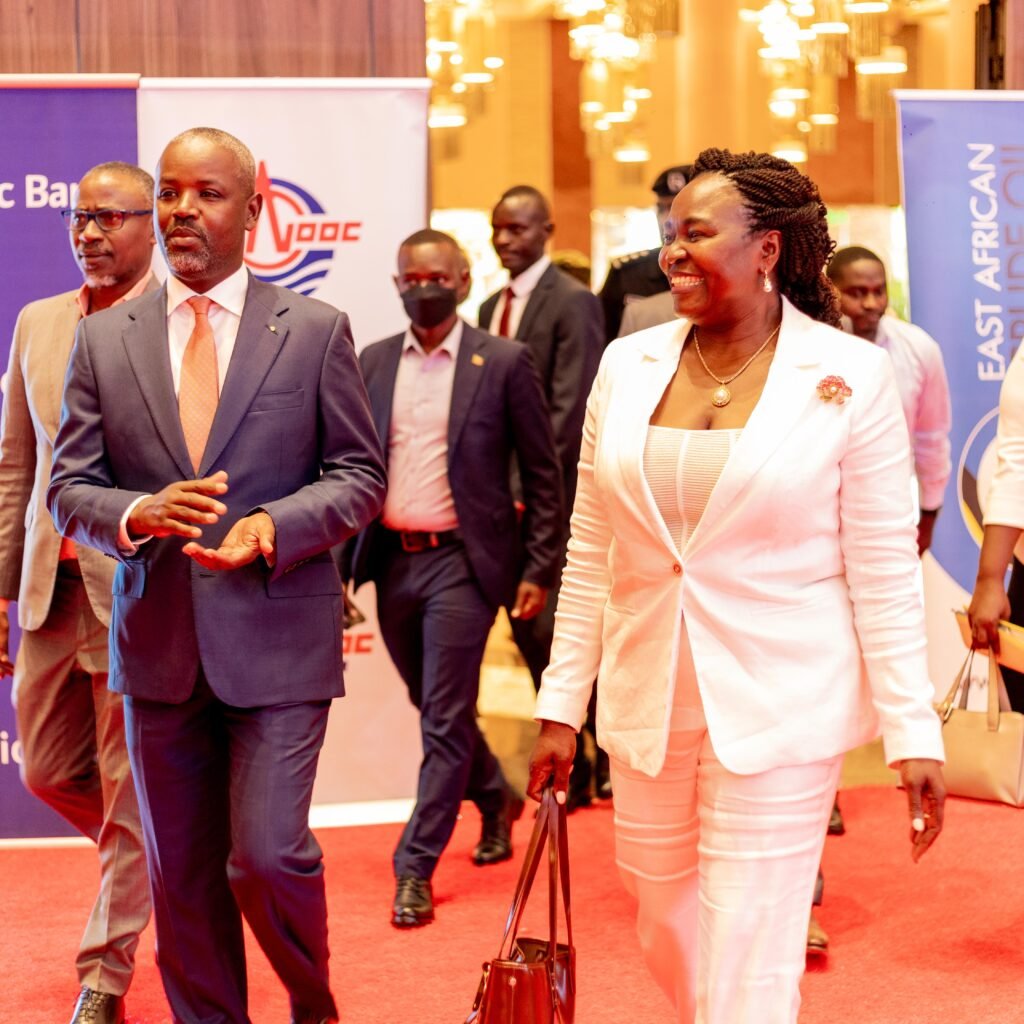
Organized by the Uganda Chamber of Energy and Minerals in partnership with the Ministry of Energy and Mineral Development and the Uganda National Oil Company, the convention carries the theme: “First Oil: Fulfilling the Promise, Forging the Future.” That theme is not aspirational it is grounded in tangible progress on the ground.
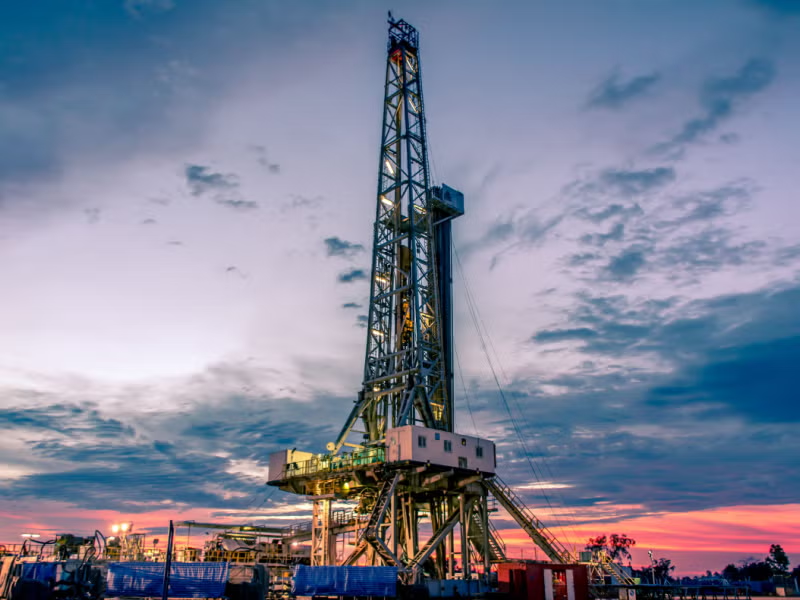
The Tilenga project has drilled 198 wells, surpassing the 170 required for initial production, while the Kingfisher development has completed 21 wells, above the 19 needed for first oil. These are not small milestones. They represent years of investment, technical expertise, environmental negotiations, and community engagement.
Humphrey Asiimwe, speaking ahead of the convention, was direct:
“Uganda’s oil era is no longer a distant dream; it is within reach. One thing is for sure in 2026, as Ugandans, we will reach this milestone.”
What makes the 11th convention particularly significant is the structural shift in Uganda’s petroleum conversation. Previous editions focused on exploration, development financing, and regulatory frameworks. With crude production now targeted for 2026, the focus has moved to operational realities expenditure required to sustain production over the next 20 to 30 years.
This includes pipeline integrity management, digitalization of operations, and long-term maintenance contracts.
The economic implications of this transition are substantial. Industry figures show the sector has already committed approximately USD 2 billion to local firms, with an estimated 80,000 direct and indirect jobs created.
Beyond production, three agenda items at the 2026 convention will define Uganda’s long-term trajectory.
The first is the proposed USD 4 billion refinery project, with a planned capacity of 60,000 barrels per day. The project is moving toward a Final Investment Decision expected in July 2026, following a key Implementation Agreement signed in 2025 with UAE-based Alpha MBM Investments. A functional refinery would shift Uganda from exporting crude to processing it locally, capturing downstream value that has historically been lost.
The second is the Kabalega Industrial Park, a USD 390 million, 29.57 square kilometre hub with 31 confirmed investors participating in petrochemicals, fertilizers, and logistics. Construction is expected to begin in 2026.
The third is the upcoming third Petroleum Exploration Licensing Round, which will offer new blocks in the Albertine Graben and northern basins. This ensures that even as Uganda prepares to produce, it continues to expand its resource base.
As Asiimwe summarized:
“This is the 11th time as a country we are coming together to talk about our oil and gas resources. Two days of taking stock. Two days of discussing what opportunities lie in the operations phase.”
