
There are mornings I sit in Kampala, stare at the load-shedding schedule pinned on social media, and wonder what exactly we have been doing for the last thirty years. Because the solution, or at least a very large part of it, has been sitting on the Congo River this entire time, waiting for us to get our act together.
“The solution has been sitting on the Congo River this entire time.”
Grand Inga Dam. If you have not heard of it, that is part of the problem. The site has the potential to generate around 100,000 megawatts of electricity.
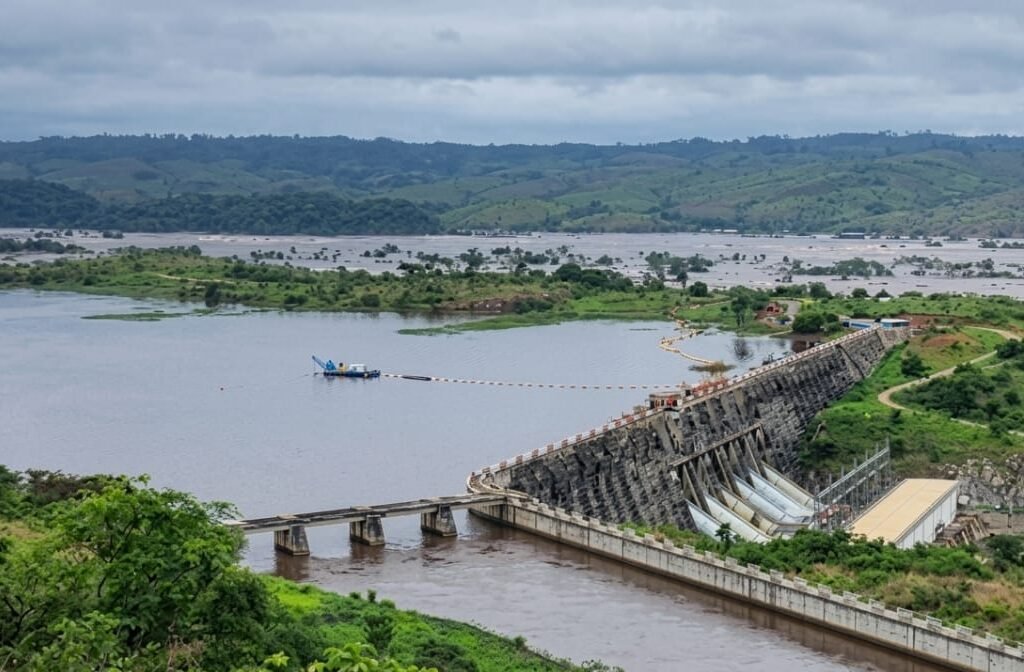
Let that number breathe for a moment.
The entire installed power capacity across much of Africa remains dramatically below what the continent’s industrial ambitions require. Grand Inga alone could fundamentally reshape the continent’s energy future. And yet here we are.
Uganda loses hundreds of millions of dollars every year to power outages. Not because the country lacks resources. Not because it lacks engineers, entrepreneurs, or people willing to work. We lose it because the lights go off. Factories run diesel generators that cost several times more than grid power would. A woman running a cold storage business in Jinja does not lose money because of bad management; she loses it because reliable electricity still cannot be guaranteed for eight uninterrupted hours.
“This is the reality we have normalised.”
Now, to be fair, Grand Inga Dam is not a simple project. Inga 3 alone, the next major development phase, carries cost estimates ranging from $14 billion to $80 billion depending on scope, phasing, and, frankly, which consultant you hired. That $66 billion spread is not a rounding error. It is a sign of how much uncertainty has plagued this project from the start. The Democratic Republic of the Congo’s political history has not helped. Neither have the revolving doors of international partners who arrived with handshakes and left with nothing signed.
But the habit of waiting, waiting for China to fund it, waiting for the World Bank, waiting for some single saviour institution to ride in, that habit is the real obstacle.
Eskom signed letters of intent on Inga years ago. Letters of intent.
“You cannot run a smelter on a letter of intent. You cannot refrigerate vaccines on goodwill.”
What needs to happen, and I say this as someone who has sat in enough continental energy forums to fill a small memoir, is an African-led financing consortium. Not a committee. Not a working group. A consortium with actual capital commitments behind it.
African Development Bank, Afreximbank, and the growing pool of national institutional investors across the continent, pension funds, sovereign wealth funds, and national development banks, collectively manage far more capital than most people realise.
None of these institutions were built to fund continental megaprojects on their own. But together, through properly structured infrastructure bonds, blended finance mechanisms, and first-loss guarantees from development finance institutions, you begin to create something real. Something a commercial lender can actually underwrite.
Uganda’s interest in this is neither abstract nor altruistic. We are landlocked. We share a border with the Democratic Republic of the Congo. The transmission distance from Inga to Uganda’s grid is considerably shorter than it would be for many West African nations. Every megawatt-hour flowing from Inga into the Eastern African Power Pool directly competes with the diesel and charcoal currently filling the gap. National electricity access remains limited, while industrial parks that should be operating three shifts a day still struggle with inconsistent supply.
Karuma Hydroelectric Power Station taught us something. People said it was too ambitious. Too expensive. Too dependent on Chinese financing to ever truly serve Ugandan interests. Karuma was delayed, politically contentious, and riddled with procurement disputes. But despite the frustrations, Uganda ultimately added 600 megawatts to the grid.
“The lights in the Albertine region are, quite literally, on because somebody decided to stop waiting for perfect conditions.”
Inga needs that same energy, multiplied across ten or fifteen governments simultaneously.
What it requires is a structure where South Africa, Egypt, Nigeria, Kenya, Tanzania, Uganda, and others all sign binding power purchase agreements before construction begins. Not after. Not provisionally. Before.
Because the commercial logic of this project only works at scale.
“An electricity project serving one customer is a risk. One serving twelve becomes a portfolio.”
The Congo River, for context, discharges more water per second than any river in the world outside the Amazon. It has been doing this long before any of us arrived and will continue long after we are gone. It generates no power by itself. It simply flows, indifferent to our summits, our communiqués, and our strategy documents.
Africa has 1.4 billion people. The youngest population on Earth. Some of the lowest per capita electricity consumption levels of any major region in the world.
You can frame that as a crisis, or you can frame it as the largest untapped energy market in human history.
“I know which framing gets investors out of bed in the morning.”
The dam will not build itself. But at some point, Africa has to stop asking for permission to develop its own resources and simply begin.
“No continent industrialises by waiting for perfect financing conditions before building strategic infrastructure.”
