
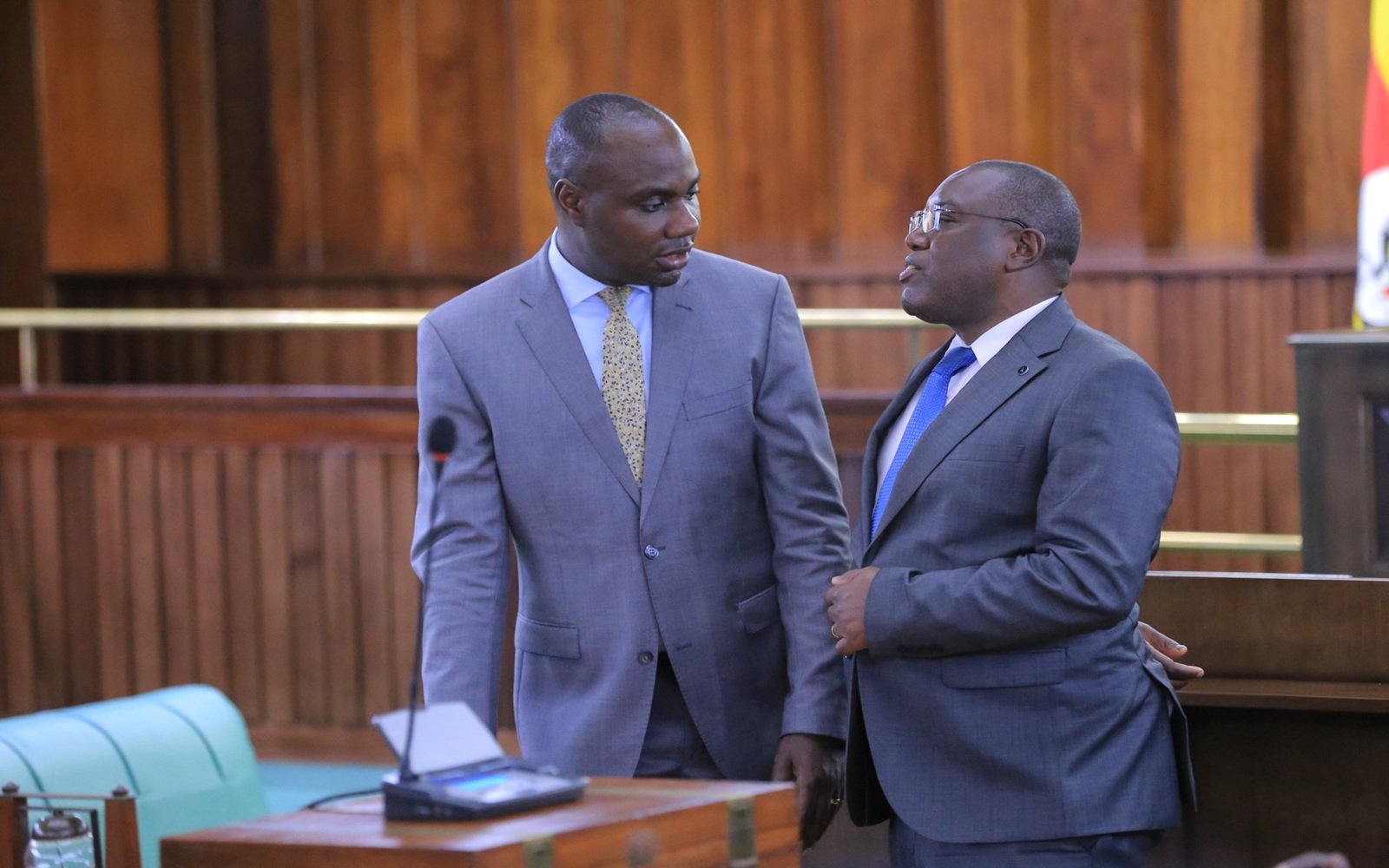
On May 5, 2026, Uganda’s Parliament approved a Shs 1.1 trillion supplementary budget, marking a significant mid-year adjustment to the country’s fiscal framework. The approval followed suspension of standard scrutiny procedures under Rule 160, allowing Supplementary Expenditure Schedule No. 5 to pass during a fast-tracked plenary sitting.
The supplementary allocation reflects a mix of urgent spending pressures and internal budget realignments, with government emphasizing that the adjustments were necessary to address “unforeseen” national priorities. For businesses, the move signals a more dynamic and frequently adjusted fiscal environment.
The approved package is split between Shs 519 billion within the 3% statutory threshold and Shs 586.16 billion above it, highlighting the scale of mid-year fiscal adjustments now being integrated into Uganda’s budgeting cycle.
A major feature of the supplementary budget is its funding structure. Approximately Shs 985.8 billion is drawn from cash management and internal reallocations rather than new borrowing, indicating that government is redirecting funds from previously approved allocations to meet emerging priorities.
Key allocations include Shs 56.95 billion for local council elections, covering LCI, LCII, and Women Council structures, reflecting continued investment in grassroots governance and electoral processes.
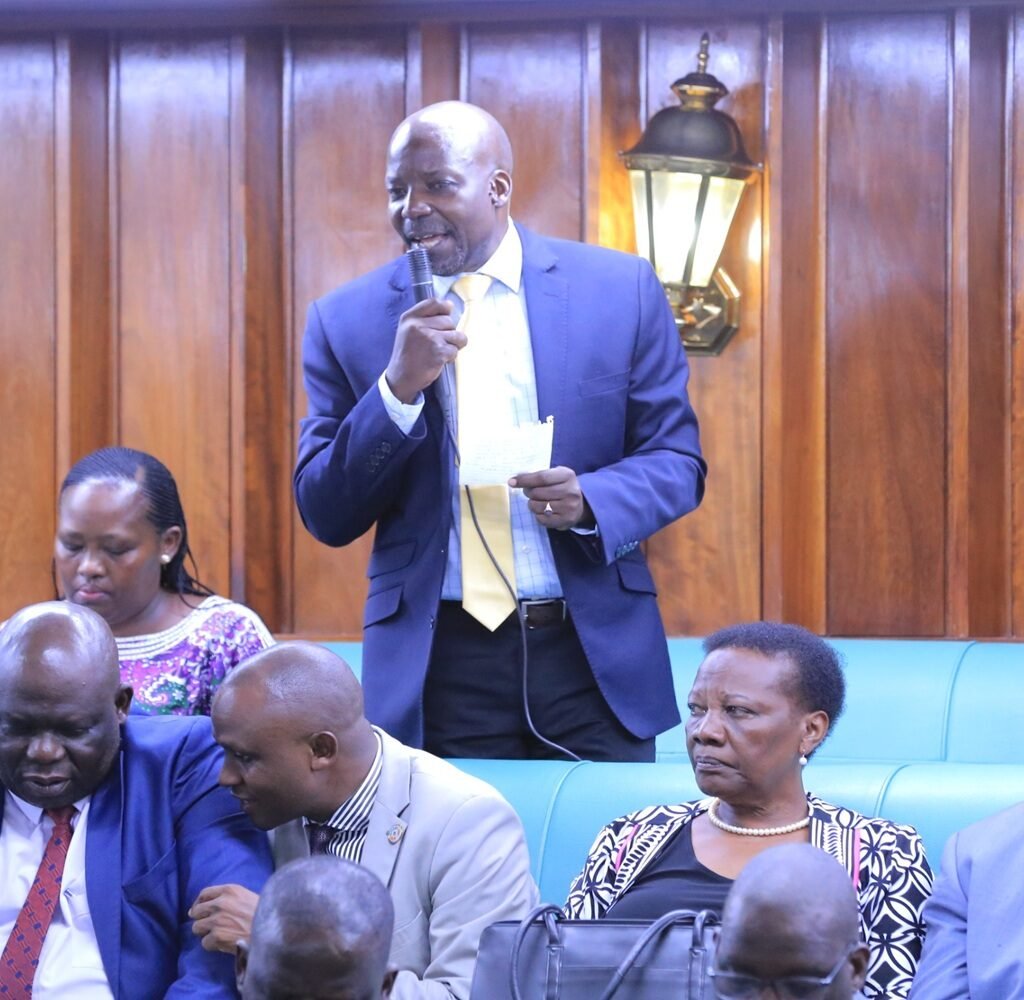
“It is imperative that we provide resources to enable the people of Uganda exercise their democratic rights,” said Hon. Fox Odoi-Oywelowo during parliamentary deliberations.
Another Shs 29.57 billion has been allocated to preparations for AFCON 2027, reinforcing Uganda’s ongoing investment in sports infrastructure and international event readiness.
The health sector received Shs 40.21 billion to support recruitment in 19 referral hospitals, alongside Shs 107.52 billion directed toward wage and pension shortfalls, underscoring persistent structural pressure in public sector compensation.
In addition, Shs 72.9 billion from the World Bank has been allocated to the GROW project, aimed at supporting women-led enterprises and productivity growth, strengthening Uganda’s development partnership pipeline.
A further Shs 132.9 billion was directed toward clearing outstanding obligations within the Uganda Police Force, highlighting delayed payments accumulated in public service operations.
Smaller allocations also included funding for national ceremonial expenses, including Shs 3 billion for presidential swearing-in preparations, reflecting the breadth of competing priorities covered under the supplementary framework.
The most significant structural feature of the budget is the scale of internal reallocation. With nearly Shs 985.8 billion shifted between votes, previously planned expenditures in certain sectors are being adjusted to accommodate urgent spending demands.
This introduces a clear implication for the private sector. Government projects and contracts tied to reallocated budgets may experience delays or reprioritisation as funds are redirected toward higher-priority obligations such as wages, elections, and security-related expenditures.
From a macroeconomic perspective, the supplementary budget highlights a shift toward a more flexible fiscal model, where mid-year adjustments are becoming a structural feature rather than an exception.
“These are expenditures that were over and above what was originally appropriated and required urgent parliamentary consideration,” noted Hon. Henry Musasizi, Minister of State for Finance (General Duties).
For businesses, the key takeaway is that fiscal planning is increasingly fluid. Payment cycles, project execution timelines, and public sector spending commitments may adjust more frequently in response to supplementary allocations.
The supplementary budget therefore does not only expand spending; it reorders priorities within the existing fiscal envelope. This creates both continuity in core government functions and variability in sectoral funding flows.
In this context, Uganda’s Shs 1.1 trillion supplementary budget reshapes the economic outlook by reinforcing a budgeting system that is adaptive, reactive, and continuously recalibrated to shifting national demands.
