
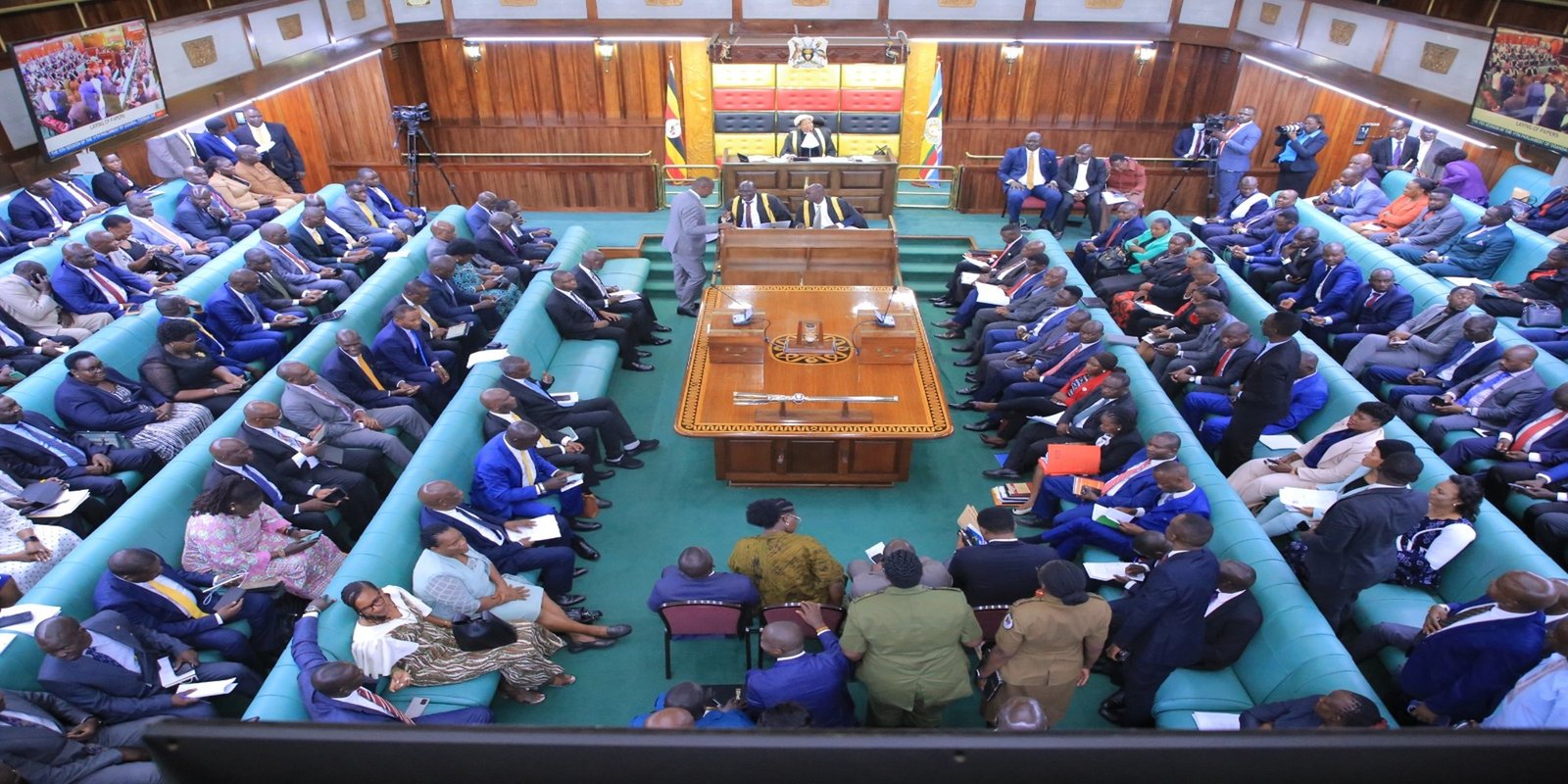
On May 5, 2026, Uganda’s Parliament passed the Protection of Sovereignty Bill, 2026, after substantially amending its original form. Nearly 87% of the initial draft was revised or removed, reshaping what was originally a far more restrictive proposal into a narrower legal framework.
The government maintains that the law is designed to protect national sovereignty and prevent foreign interference in political processes. However, for businesses, NGOs, and investors, it introduces a more structured compliance regime around foreign funding, influence, and disclosure.
The final version of the Bill followed extensive consultations involving over 200 stakeholders, including government institutions, civil society, the private sector, academia, and the diaspora.
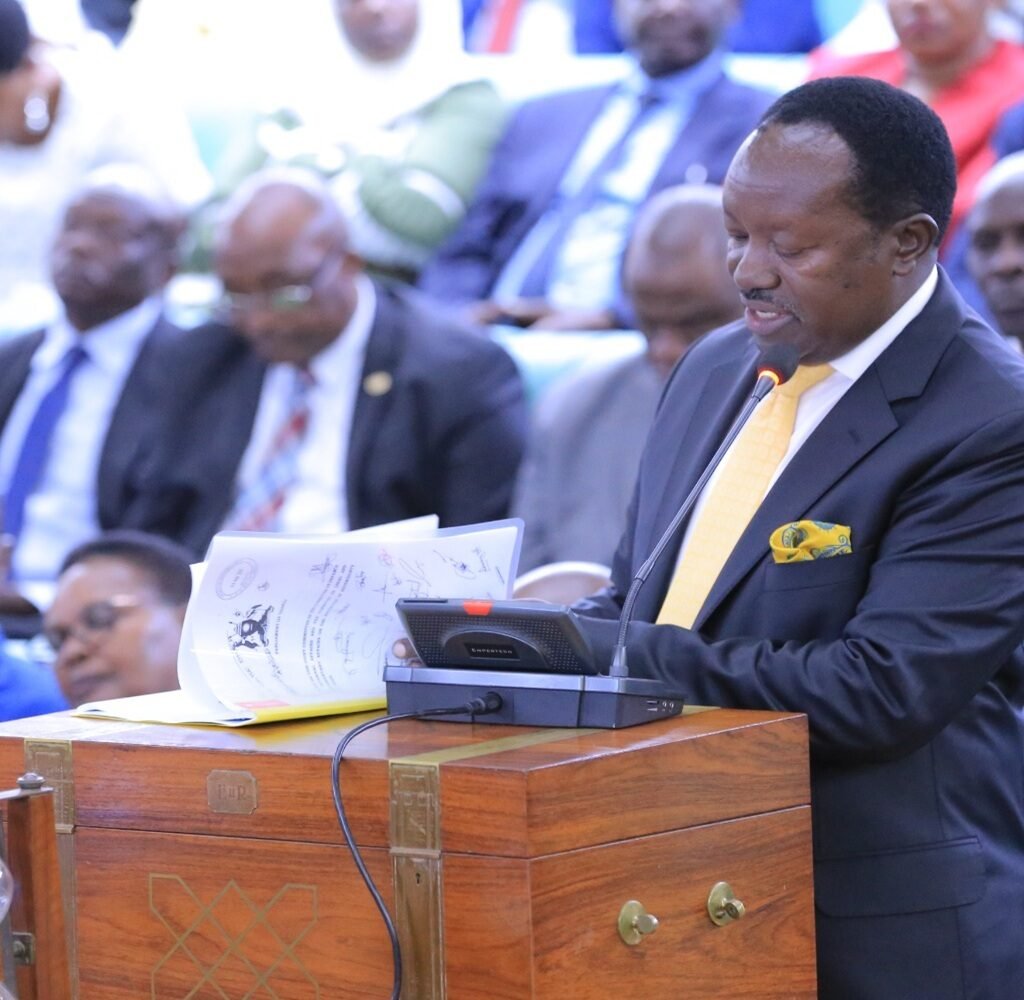
Presenting the committee report, the Chairperson of the Committee on Defence and Internal Affairs, Hon. Wilson Kajwengye, noted that while the objective of protecting sovereignty is legitimate, the original drafting was too broad.
“The amendments are intended to harmonise the definitions with the scope of the Bill to limit the application of the law to only agents of foreigners and not any other person,” said Hon. Wilson Kajwengye.
A major revision was the restriction of the law to agents of foreigners only, with earlier provisions applying broadly to “any person” deleted. The definition of “foreigner” was also narrowed, excluding Ugandan citizens living in the diaspora.
“The amendments exclude the application of the Bill to Ugandan citizens residing outside Uganda,” Hon. Kajwengye stated.
The definition of “agent of a foreigner” was refined to include only individuals or entities that formally and knowingly act on behalf of foreign interests to influence policy, elections, or national security.
The Bill also removed broad ministerial powers that previously allowed a minister to classify individuals as foreign agents. These were replaced with structured legal criteria intended to improve predictability and reduce arbitrary enforcement.
One of the most significant changes for the private sector is the replacement of mandatory ministerial approval for foreign funding with a declaration-based system under Clause 22. This allows funds to flow without prior approval, reducing administrative delays while maintaining oversight through reporting.
The law also introduces exemptions for key sectors, including financial institutions, universities, health facilities, and humanitarian organisations. These entities are largely shielded from the most restrictive provisions.
In addition, lawful financial flows such as foreign direct investment, diaspora remittances, trade, and humanitarian assistance are explicitly protected, providing reassurance to investors and development partners.
Parliament revised the criminal provisions by introducing a stricter requirement for proof of intent and reducing penalties from 20 years to a maximum of 10 years’ imprisonment. Several controversial clauses, including mandatory health examinations and warrantless inspections, were removed entirely.
Despite these revisions, the Bill introduces a new offence category known as economic sabotage, which remains a key concern for the private sector.
Under Clause 13, an “agent of a foreigner” who knowingly publishes false information or engages in actions that undermine or disrupt the economic system faces penalties of up to UGX 2 billion for organisations and UGX 1 billion or 10 years’ imprisonment for individuals.
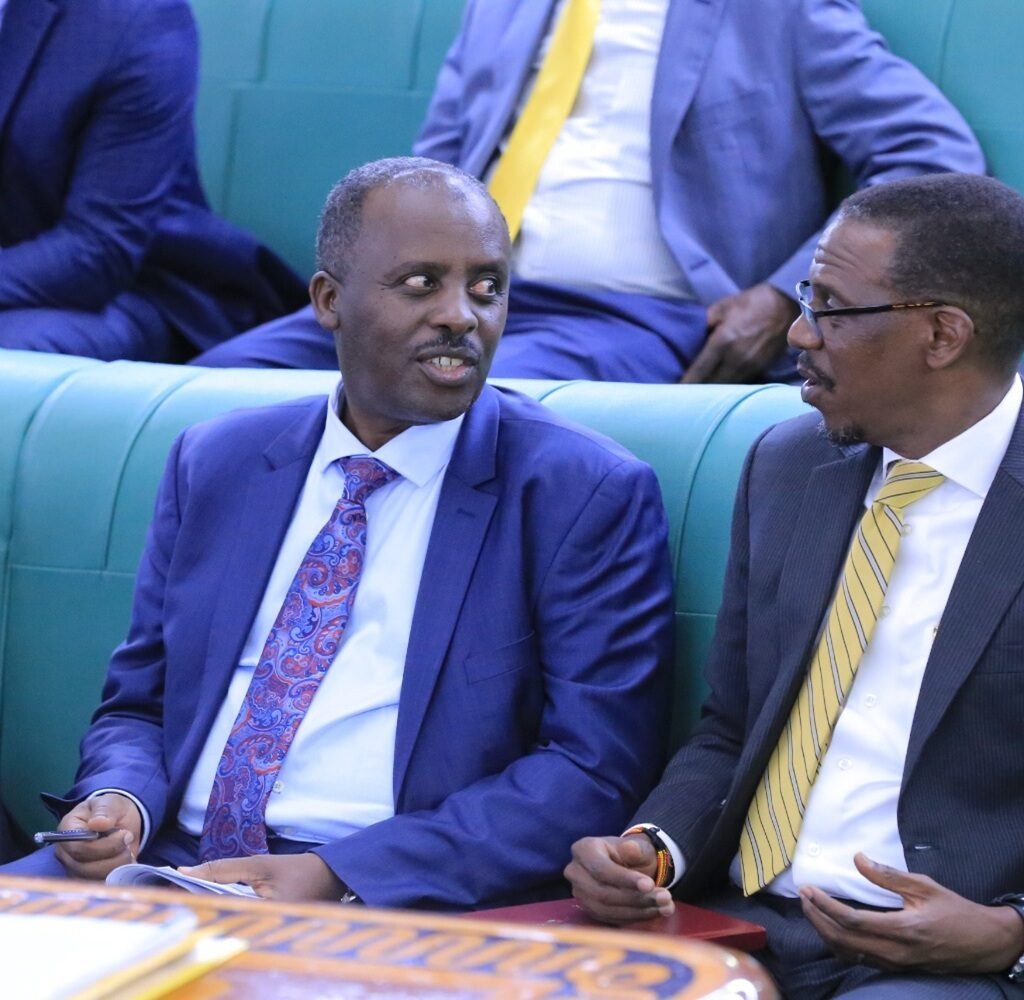
“Economic sabotage applies where an agent of a foreigner knowingly engages in conduct that disrupts or undermines the economic system,” said Hon. David Muhoozi, Minister of State for Internal Affairs.
While the law now requires proof of intent, the terms “disruption” and “economic harm” remain broad, creating interpretive risk for businesses in media, research, policy analysis, and advocacy, particularly those receiving foreign funding.
The law does not eliminate foreign engagement. Instead, it formalises it through stricter disclosure and accountability requirements. All foreign-linked activity must now be clearly declared and documented.
For businesses, the shift is operational rather than prohibitive. The emphasis is now on compliance precision, documentation, and clear separation between commercial activity and politically sensitive or policy-influencing engagement.
Uganda’s Sovereignty Bill, even after significant amendments, signals a recalibration of how foreign influence and funding are regulated. Rather than removing risk, the law restructures it, placing greater weight on intent, interpretation, and regulatory compliance.
