
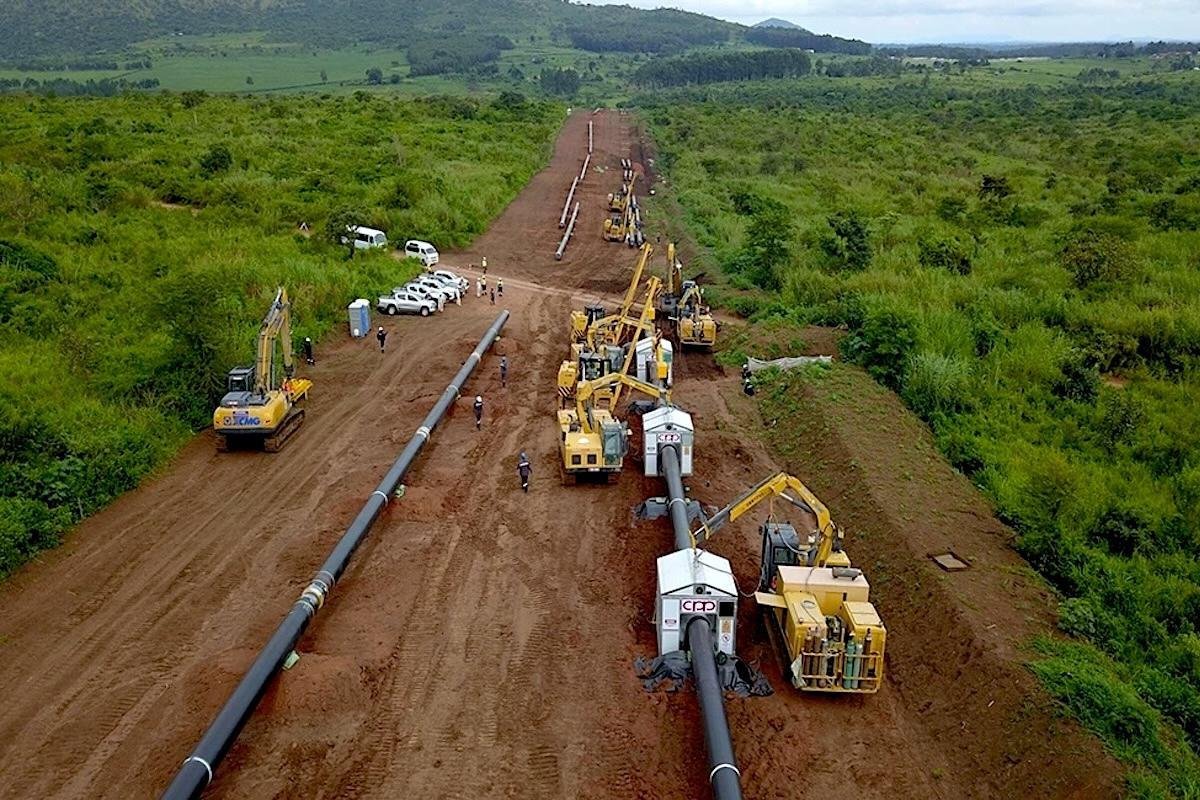
In Hoima, western Uganda, the country’s long-awaited oil industry is approaching a milestone that has been more than two decades in the making. The pipeline is largely in the ground, production facilities are taking shape and drilling operations across the Albertine Graben have advanced. Yet the final pieces needed to turn that infrastructure into a functioning oil export system are still missing.
Thousands of kilometres away, the conflict involving Iran has disrupted international supply chains delivering specialised equipment to Uganda’s oil projects, pushing first commercial oil production and exports to no later than the end of June 2027.
The delays have affected critical metering systems, electrical instrumentation and telecommunications equipment required to complete and commission the East African Crude Oil Pipeline (EACOP), alongside the Tilenga and Kingfisher oil developments.
What initially appeared to be an industrial procurement problem has become a national economic concern. Uganda’s Shs84.39 trillion 2026/2027 budget anticipated approximately Shs1.44 trillion, equivalent to about $380 million, in petroleum revenues. With first oil postponed, the expected money will not arrive within the financial year in which government had planned to receive it.
For a country that has spent years preparing to become an oil producer, the latest setback demonstrates how events beyond its borders can influence its economic ambitions.
The missing pieces of Uganda’s oil infrastructure
The scale of the delay becomes clearer when measured against how far the projects have progressed.
EACOP, a 1,443-kilometre heated pipeline connecting Uganda’s oilfields in Hoima to the port of Tanga in Tanzania, is more than 90 per cent complete, with recent estimates placing progress between 92 and 94 per cent.
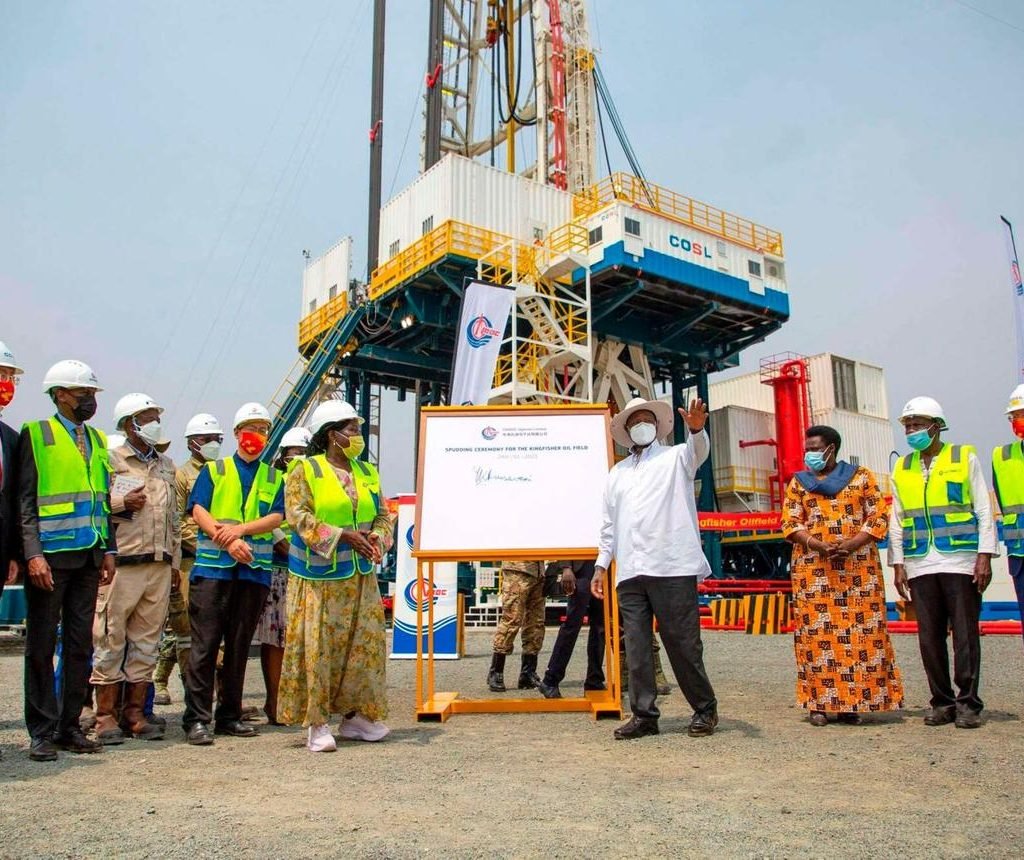
The upstream developments have also advanced. CNOOC’s Kingfisher project is approximately 90 per cent complete, while TotalEnergies-operated Tilenga stands at around 78 per cent.
However, completing a pipeline is not the same as making it operational. Uganda’s crude contains high levels of wax and paraffin, requiring continuous heating to remain sufficiently fluid during transportation. EACOP therefore depends on electrical heat-tracing systems, automated controls, telecommunications and monitoring equipment to maintain operating conditions along its route.
Specialised metering systems are equally important because they measure the quantities of crude produced and transported, forming the basis for commercial transactions and revenue accounting.
These components must work together across the oilfields, processing facilities, pumping stations and export terminal before commercial production can begin.
The Middle East conflict has complicated the transportation of these specialised components, increasing transit times and forcing logistical adjustments. Unlike ordinary construction materials, industrial instrumentation is manufactured to precise technical specifications and cannot easily be replaced with locally available alternatives.
The disruption exposes Uganda’s dependence on international manufacturing and transportation networks to complete infrastructure being developed on African soil.
A Shs1.44 trillion budget expectation at risk
The consequences extend directly into government finances.
When Finance Minister Henry Musasizi presented the 2026/2027 national budget, petroleum revenues formed part of the resources expected to support government expenditure.
The anticipated Shs1.44 trillion in petroleum receipts was tied to the commencement of oil production and exports. With the timeline extending beyond the current financial year, the revenue will have to be deferred.
This creates a financing challenge for government, which must continue funding infrastructure and public services without the petroleum receipts incorporated into its revenue projections.
If the shortfall is not offset through stronger domestic revenue collection or expenditure adjustments, government may need to rely more heavily on borrowing.
The postponement also delays the foreign exchange expected from oil exports, which could strengthen export earnings and provide an additional source of revenue for the economy.
Uganda’s double exposure to the Middle East conflict
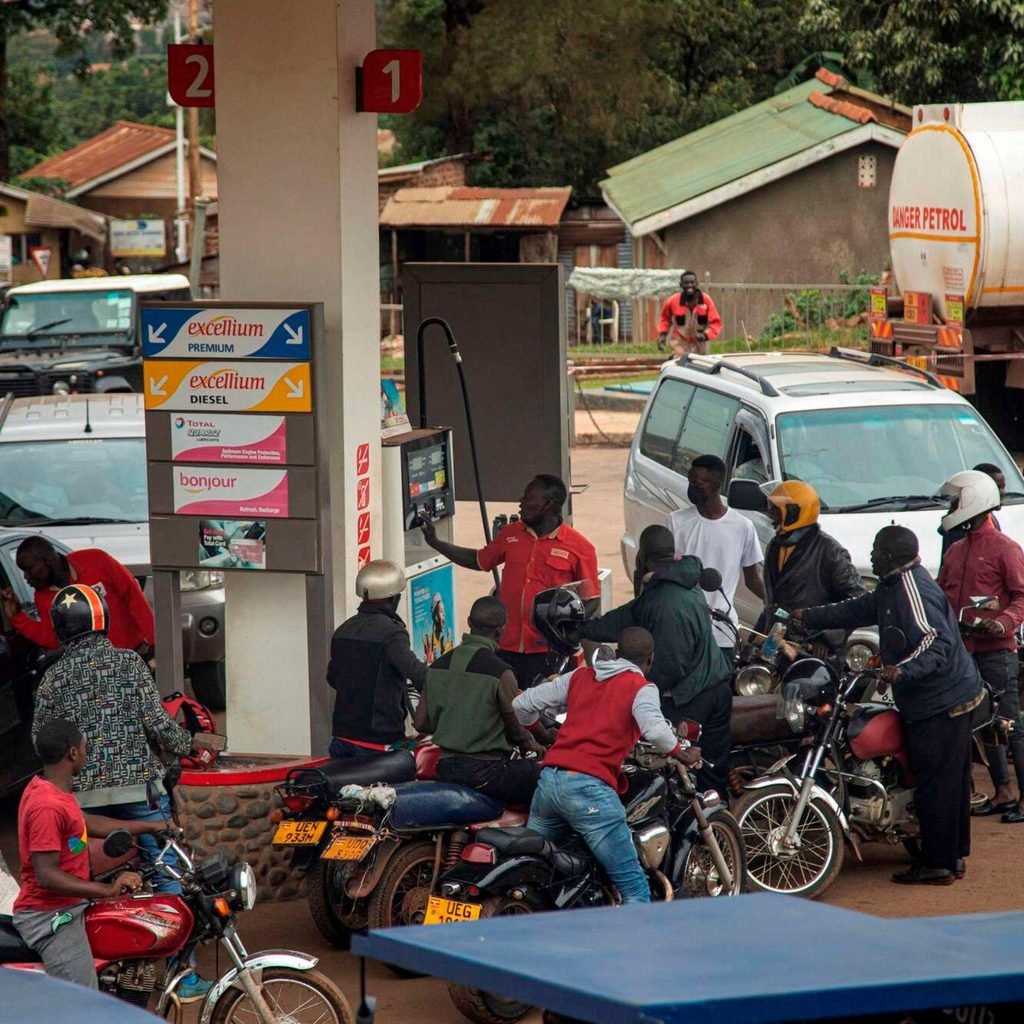
There is another dimension to the disruption. Uganda remains dependent on imported refined petroleum products to meet domestic fuel demand, leaving the country exposed to international oil prices and transportation costs.
Disruptions to shipping routes, higher insurance premiums and increased transportation costs can put upward pressure on imported fuel prices. These costs can feed into transport, electricity generation and the prices of goods and services.
At the same time, the oil industry expected to provide Uganda with additional export revenue and government income is not yet operational.
The planned Hoima refinery could eventually change part of this equation by enabling domestic processing of crude oil. However, the project has yet to reach a final investment decision, meaning dependence on imported refined products remains an important feature of Uganda’s energy market.
The country is therefore experiencing the vulnerabilities of an oil-importing economy while waiting for the benefits associated with becoming an oil exporter.
What the delay means for Hoima
The consequences are also significant for businesses and communities around the Albertine Graben.
Hoima has experienced increased infrastructure development, construction activity and demand for accommodation, transport and other services as the oil industry has taken shape.
Local businesses have positioned themselves to serve contractors, workers and suppliers, while property developers and traders have anticipated stronger economic activity as production approaches.
However, the transition from construction-led activity to a fully operational petroleum industry depends on the commencement of production.
Every postponement extends the period during which businesses must wait for the anticipated expansion in demand. For communities affected by land acquisition and construction, it also delays the expected economic benefits associated with employment, local procurement and investment.
Once operational, Uganda’s oilfields are expected to reach peak production of approximately 230,000 barrels per day, with government revenues projected at between $1.5 billion and $2.5 billion annually.
But the latest disruption demonstrates that physical completion does not necessarily mean operational readiness. A pipeline can be more than 90 per cent complete and still be unable to transport commercial crude if essential control, monitoring and measurement systems are missing.
For Uganda, the challenge is now to complete the remaining installations, deliver delayed equipment and coordinate commissioning across the oilfields, pipeline and export terminal.
A conflict involving Iran has consequently become part of Uganda’s economic calculations, affecting the timing of oil exports, government revenue and expectations in the Albertine Graben.
In Hoima, much of the infrastructure is already visible. What remains is to make it work. Until the missing equipment arrives, is installed and passes commissioning, Uganda’s oil wealth will remain an economic promise rather than a source of commercial revenue.
