
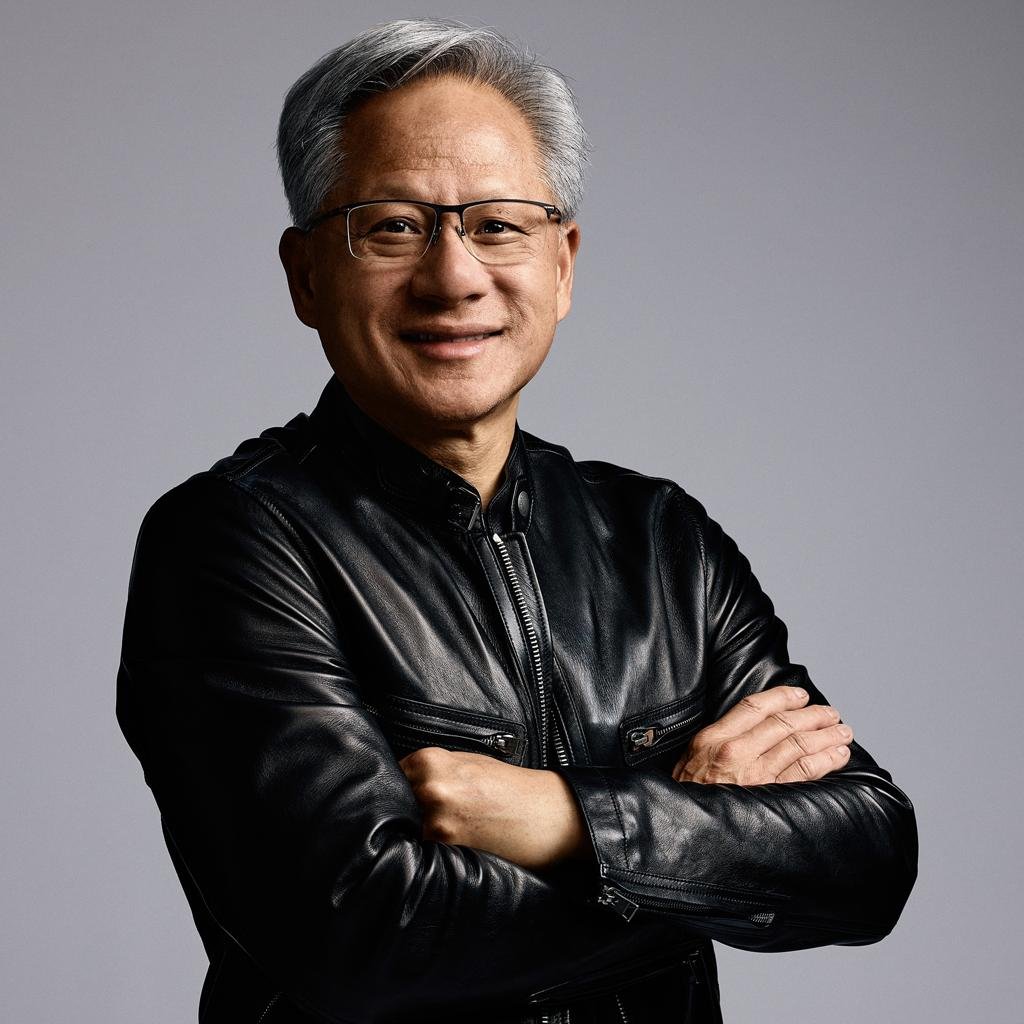
Jensen Huang has apologised to his wife, children and Nvidia colleagues after admitting to an affair with a Chinese businesswoman suspected by US intelligence of spying for Beijing, prompting the chipmaker’s board to launch an independent investigation.
Nvidia Chief Executive Officer Jensen Huang has admitted to an extramarital affair with a Chinese businesswoman suspected of having links to China’s intelligence services, triggering an independent investigation into whether the company’s chief executive was targeted in a foreign intelligence operation.
In an internal memo sent to employees on Sunday, November 8, 2026, Huang acknowledged being unfaithful to his wife and accepted responsibility for the personal and professional consequences of his actions.
“I was unfaithful to my wife. My actions hurt her and our children. There is no excuse for what I did. I am deeply sorry,” Huang wrote.
He apologised to his family, colleagues, the board and shareholders, and pledged to cooperate fully with the investigation. He also reaffirmed his commitment to Nvidia and US national security, declaring that he remained proud to be an American.
Hours after the admission, Nvidia’s board announced that it had initiated an independent investigation following reports that Huang had been targeted by a foreign intelligence operation.
A committee comprising independent directors, supported by external legal counsel, will oversee the inquiry.
The board said it currently had “no reason to believe that either national security or Nvidia secrets were compromised”. It expressed confidence in Huang and his leadership team, confirming that he would continue running the company while the investigation proceeds.
The investigation places Nvidia under scrutiny at a time when its semiconductor technology has become central to the global artificial intelligence industry and the technological rivalry between the United States and China.
Suspected intelligence links
The woman at the centre of the controversy is Alice Huang, also known as Huang Le, a Chinese national and former senior executive at Megaspeed, a Singapore-based data-centre company that has been a significant Nvidia customer in Southeast Asia.
The two are not related.
According to reports first detailed by The New York Times in October 2026, US intelligence agencies had been monitoring Alice Huang over suspicions that she helped facilitate the diversion of advanced Nvidia artificial intelligence chips to China in violation of US export controls.
During the surveillance, American officials reportedly concluded that she was also providing information to Beijing and had cultivated a close personal relationship with the Nvidia chief executive.
US officials reportedly suspected that China’s Ministry of State Security had recruited her because of her access to Huang.
The pair were also reportedly seen together at industry gatherings, including a dinner in Taipei during the 2025 Computex exhibition.
Huang had previously characterised their interactions as ordinary business dealings. His admission of an affair has now brought renewed attention to the nature of their relationship and the circumstances surrounding their interactions.
However, whether the relationship resulted in the disclosure of confidential corporate information or sensitive technology remains a central question for the independent investigation.
Nvidia’s national security exposure
Nvidia occupies a critical position in the global technology industry, supplying advanced graphics processing units used to power artificial intelligence systems, train large language models and operate data centres.
Its chips have become a strategic asset in the competition between Washington and Beijing, with successive US administrations introducing export restrictions to limit China’s access to advanced semiconductor technology.
Huang has been an influential participant in discussions surrounding US artificial intelligence policy and has previously criticised some export restrictions, arguing that they could undermine American competitiveness.
The allegations therefore create a potentially serious governance and security challenge for Nvidia.
Beyond determining whether Huang was targeted by foreign intelligence, the investigation will need to establish whether the alleged operation exposed confidential business information, corporate strategy or sensitive technology.
The board’s assurance that it has no current reason to believe Nvidia secrets or national security were compromised provides some reassurance, but the investigation will determine whether that position is supported by the available evidence.
Investors await findings
The controversy also introduces uncertainty for investors in one of the world’s most valuable technology companies.
Nvidia’s market position and continued growth are closely tied to its leadership, relationships with major technology companies and ability to navigate US-China semiconductor restrictions.
Any findings suggesting that confidential information was compromised could expose the company to additional regulatory scrutiny and reputational damage.
The allegations have also attracted political attention, with lawmakers expected to examine the potential national security implications of the reported intelligence operation.
For Huang, who has led Nvidia through its transformation from a graphics chip manufacturer into a dominant force in artificial intelligence, the controversy presents an unusual challenge to his public standing and leadership.
He has been married for more than four decades and has children. In his memo, he asked for privacy for his family, stressing that they should not be held responsible for his decisions.
The immediate focus, however, is on the independent investigation and whether it uncovers evidence that the alleged foreign intelligence operation compromised Nvidia’s interests.
Huang has pledged full cooperation and will remain chief executive while the review continues. The findings could determine whether the controversy remains a personal scandal or develops into a wider corporate governance and national security crisis.
