
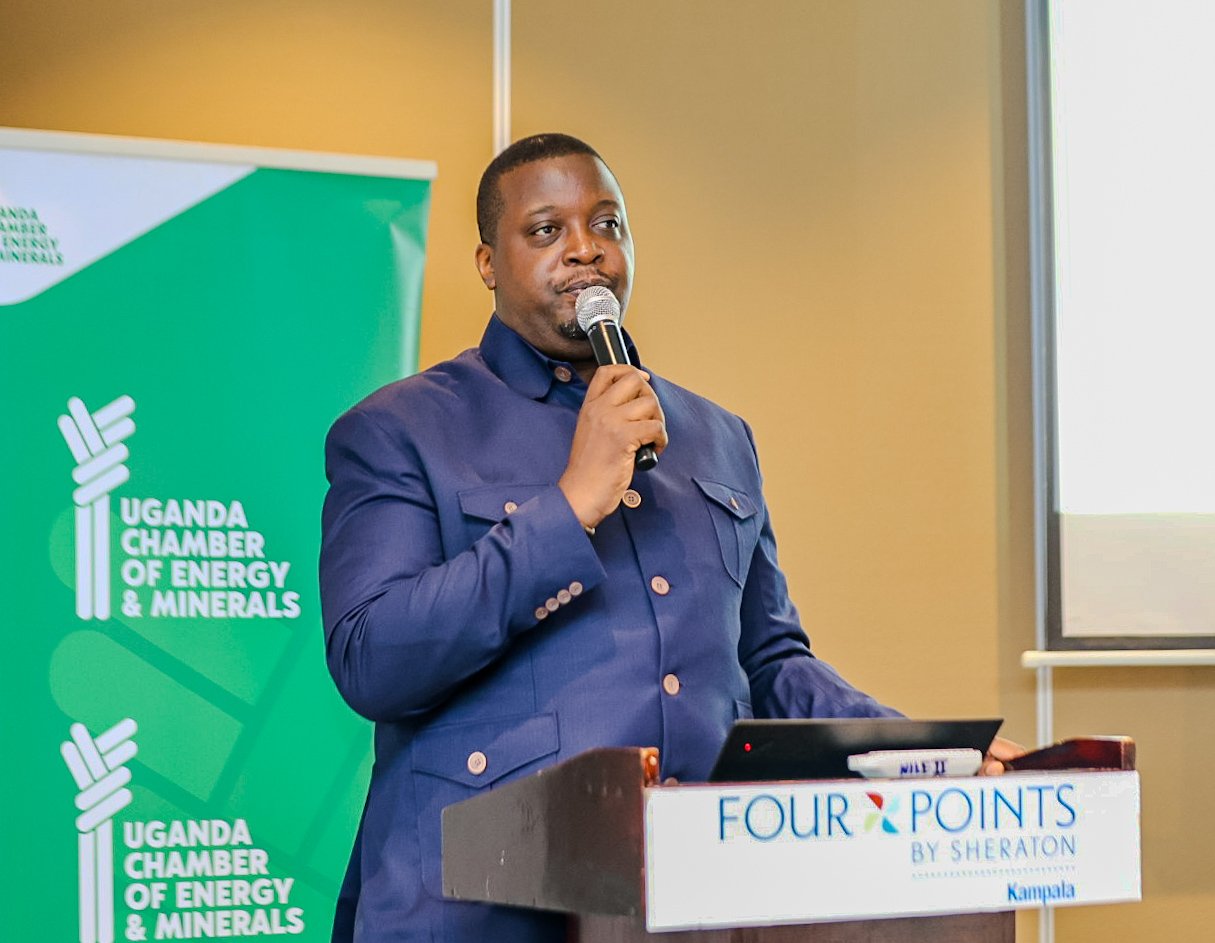
The Uganda Chamber of Energy and Minerals (UCEM) convened the 2026 Oil and gas Sector Tax Dialogue at the Four Points by Sheraton Kampala, bringing together government representatives, industry leaders, and fiscal policy experts to address pressing tax challenges in the oil and gas sector.
The dialogue was organised under the theme Fiscal Alignment for “First Oil”: Resolving Liquidity and Administrative Friction. Support Fiscal Stability in$10 Billion Oil and Gas Investment Landscape. As Uganda moves toward First Oil, fiscal alignment becomes critical to sustaining investor confidence. An estimated $9.96 billion has been invested in Uganda’s oil and gas sector by the end of 2024.
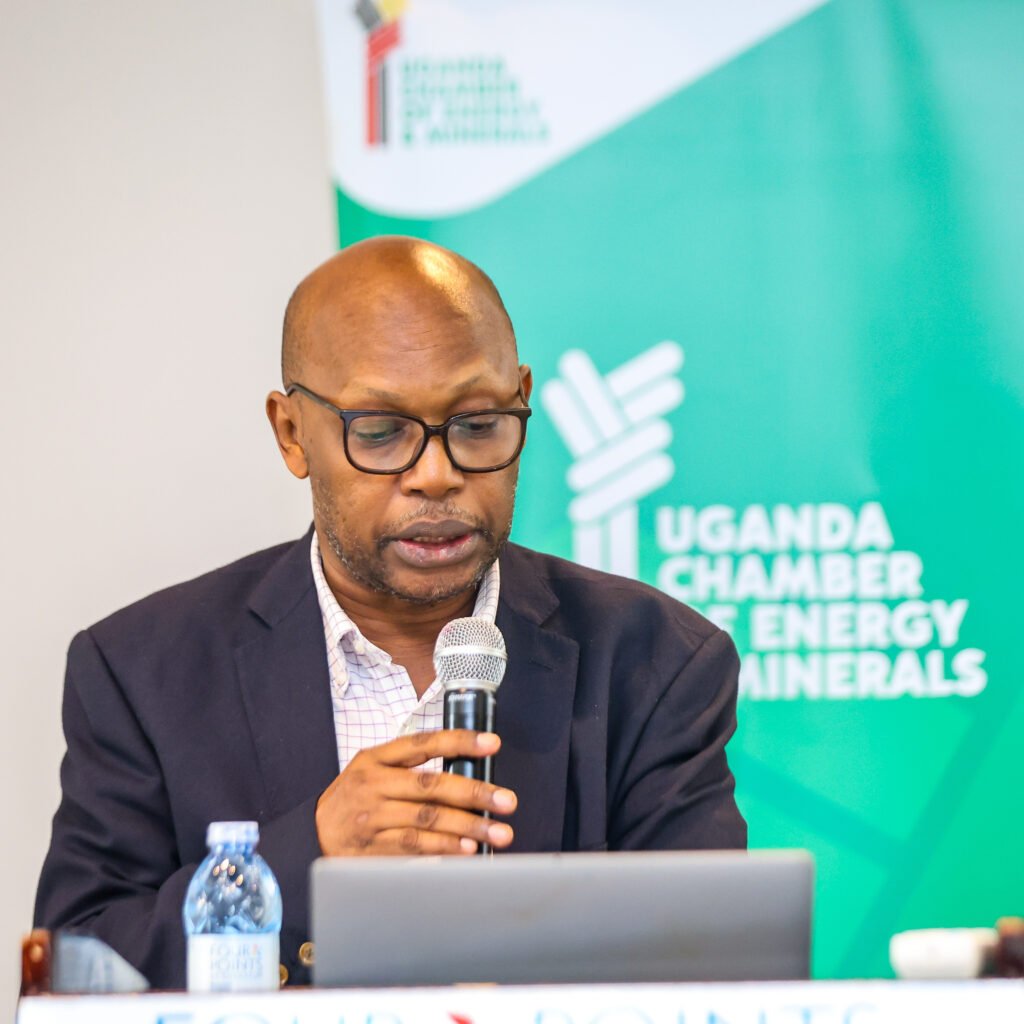
At the UCEM, we are not only preparing for First Oil, but we are planning for what comes after we start production. We are championing an industry shift to explore service externalization opportunities, such as partnerships, across Africa, including Namibia, to ensure Ugandan companies continue to grow beyond project construction phases.
Tax Dialogue discussed the Oil & Gas sector roadmap of Uganda’s first oil, tax implications from Production Sharing Agreements (PSAs), application of withholding tax in international contracting, and identification of technical friction points impacting project economics. “Uganda’s energy sector is scaling up rapidly. Our focus at UCEM now is creating a predictable tax environment that supports companies as operations expand into full production.”—UCEM Chief Executive Officer, Humphrey Asiimwe.
“With 21 discoveries, 335 wells drilled, and an 88% drilling success rate, Uganda’s oil sector is advancing. The EACOP project is currently at 80.7% progress. Uganda’s Oil& Gas fiscal strategy balances a high-government-take PSA model with targeted incentives to ensure sustained investment.” —Peninah Aheebwa, Director of Economic and National Content Monitoring, Petroleum Authority of Uganda.

“The Oil and Gas sector in Uganda is continuing to grow, with oil production planned to commence in 2026. The sector has the potential to significantly contribute to the country’s development through revenue generation, employment, business growth, skills and capacity development and technology transfer.”—Peninah Aheebwa, Director of Economic and National Content Monitoring, Petroleum Authority of Uganda
“Under the Intergovernmental Agreement on the East African Crude Oil Pipeline, no withholding tax shall be imposed on the import of goods provided for the direct and exclusive use of the EACOP project” —Allan Mugisha Barekye, Aggregate Consulting Limited.
