
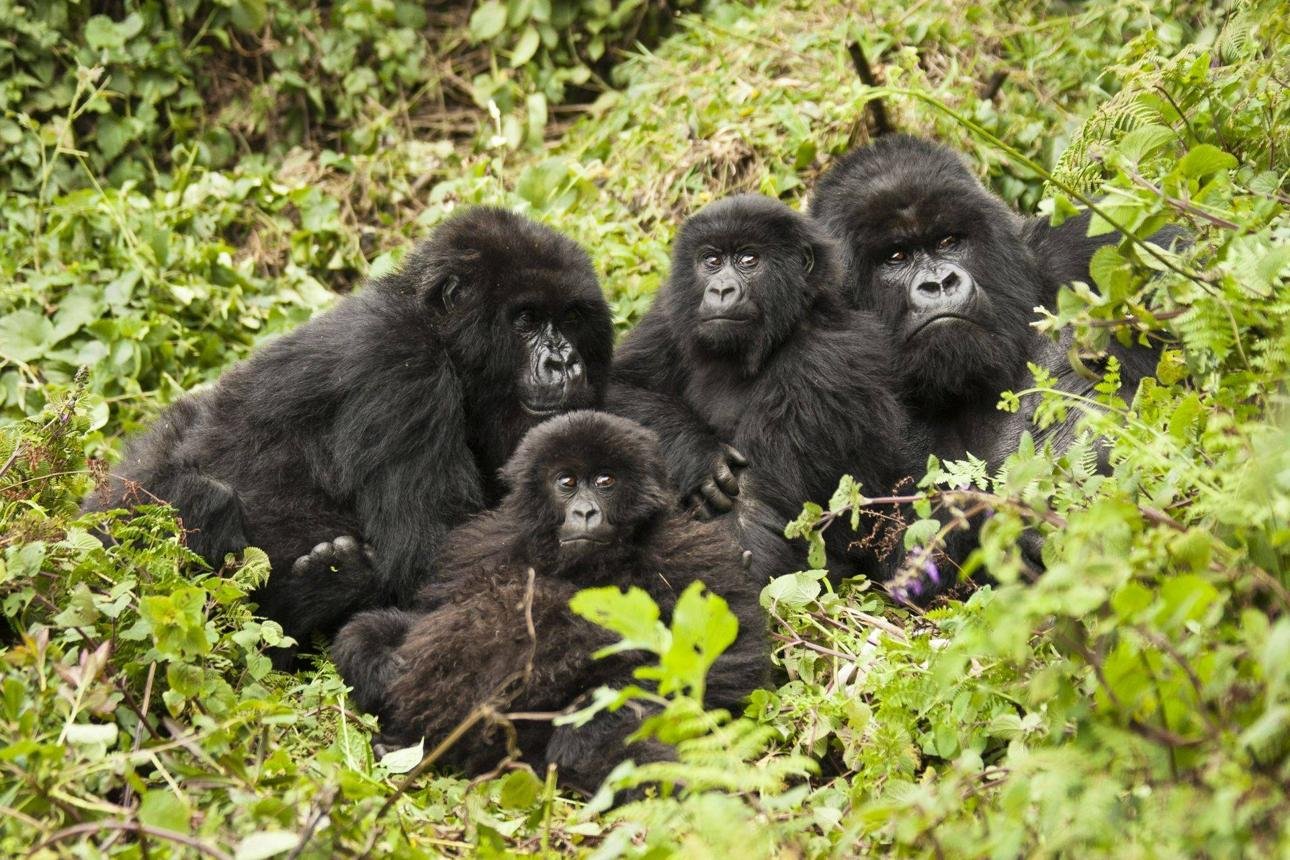
Uganda’s mountain gorillas are generating more than just wildlife encounters for international visitors. They are becoming an important source of tourism revenue, conservation financing, and economic opportunities for communities surrounding Bwindi Impenetrable and Mgahinga Gorilla National Parks.
Gorilla tourism generated Sh110 billion in the 2025/26 financial year, according to the Uganda Wildlife Authority (UWA), accounting for a significant share of the Sh162.5 billion collected from tourism activities in the two protected areas.
The latest earnings represent a recovery for Uganda’s gorilla tourism sector after revenue declined to Sh86 billion in 2023/24. Earnings subsequently increased to Sh93 billion in 2024/25 before reaching Sh110 billion in the financial year ended June 2026. The increase has coincided with continued growth in Uganda’s mountain gorilla population, driven largely by recorded births. However, UWA says the final results of the latest gorilla census, launched in May 2025, are still awaiting completion of DNA analysis.
The last verified census in 2018 recorded 459 mountain gorillas in the Bwindi-Sarambwe population, while the global mountain gorilla population stood at 1,063 at the time. For Uganda’s tourism industry, the financial performance demonstrates the economic value attached to protecting one of the country’s most distinctive wildlife attractions.
The revenue generated from gorilla tourism also feeds into a wider conservation system that supports the management of protected areas. UWA’s tourism revenues contribute to activities including wildlife protection, habitat management, monitoring and other operations required to maintain Uganda’s national parks.
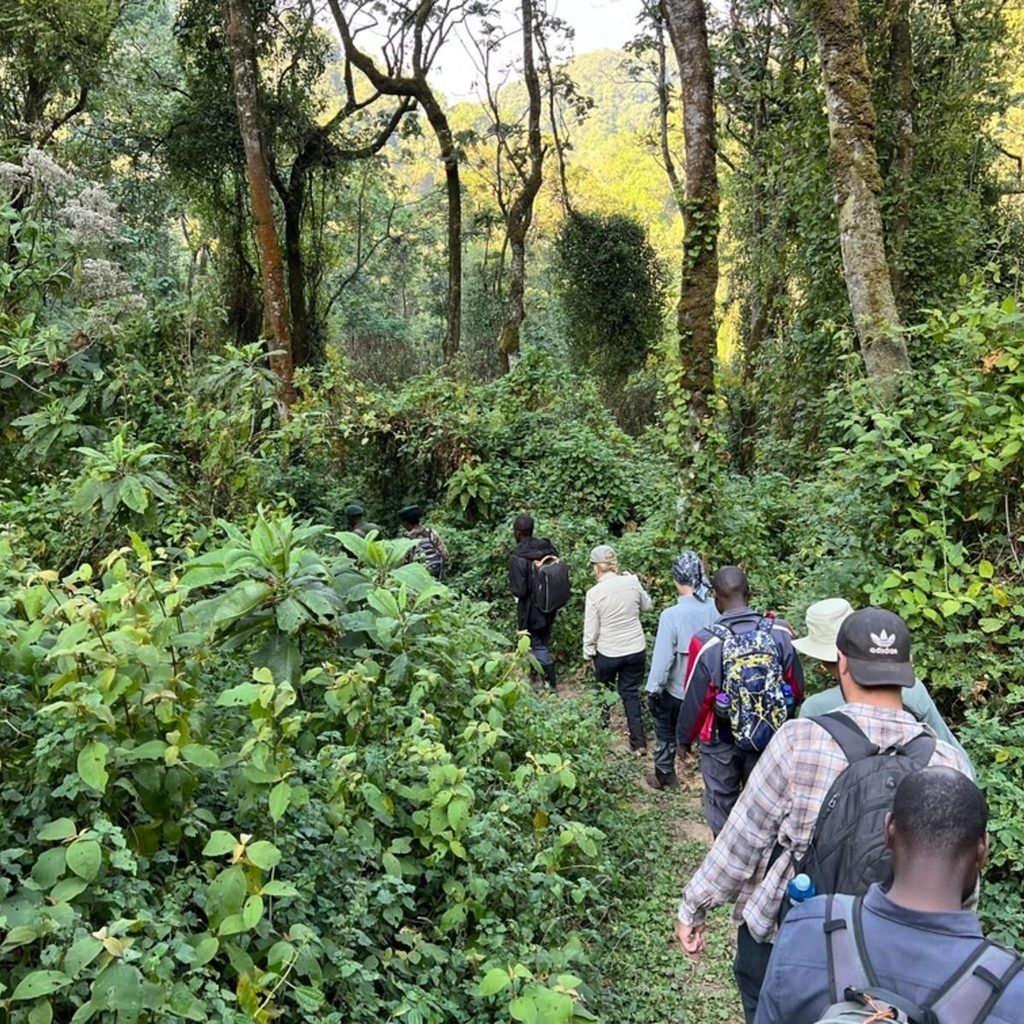
The economic impact extends beyond the boundaries of the forests. During the financial year ending June 2025, UWA disbursed Sh2.97 billion to communities surrounding the Bwindi-Mgahinga Conservation Area through its revenue-sharing programme. UWA’s revenue-sharing framework provides communities around protected areas with a direct financial connection to tourism. The Authority says 20 percent of annual park revenue is shared with neighbouring communities, with funds supporting projects designed to improve livelihoods and reduce human-wildlife conflict.
At Bwindi, community benefits are also visible through employment and tourism-linked enterprises. The Buhoma Porters’ Association, established in 1992, has about 100 members, while more than 50 other community members operate from the Nyamishamba outpost. Similar community associations operate in other tourism sectors of Bwindi, including Rushaga, Ruhija and Nkuringo, with their combined membership estimated at 500 people providing services to visitors.
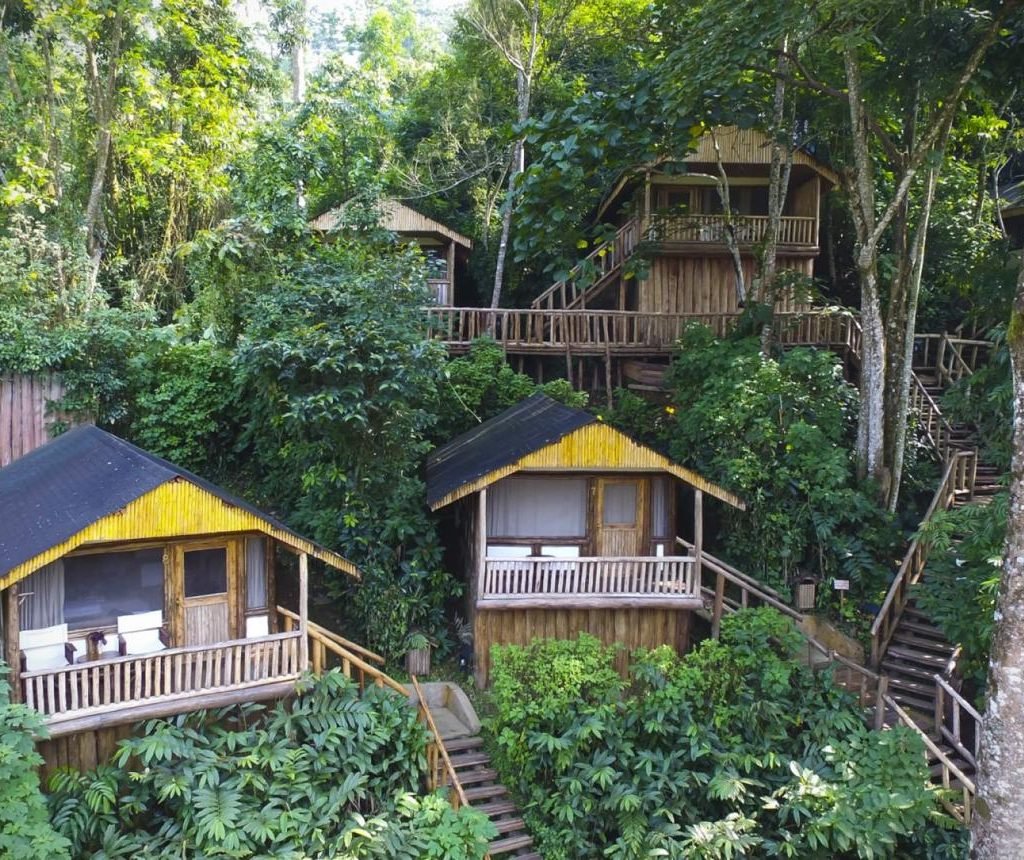
The growth of gorilla tourism has also supported businesses in accommodation, hospitality and other services around the parks. This creates an economic chain that begins with a visitor paying for a tourism experience and extends to guides, porters, accommodation providers, transport operators, restaurants, craftspeople and community enterprises.
The connection between tourism and conservation is particularly important in an environment where communities living near protected areas can bear costs associated with wildlife protection and human-wildlife interaction.
Revenue-sharing projects are intended to provide communities with tangible benefits from keeping wildlife and protected forests intact. UWA says supported projects can include schools, health facilities, roads, water infrastructure and livelihood initiatives such as beekeeping, livestock rearing, tree planting and crop production.
The model also creates an incentive for communities to participate in conservation. UWA identifies residents as an important source of information about illegal hunting and other activities that threaten wildlife. Tourism operations themselves are subject to measures designed to protect the gorillas. Visitor numbers and interactions are controlled through permit and trekking rules, while health precautions are important because mountain gorillas are vulnerable to human diseases.
The conservation economy therefore depends on maintaining the very resource that attracts visitors. Uganda’s experience also illustrates the importance of tourism recovery to conservation financing. When visitor numbers and tourism earnings fall, the financial resources available across the tourism and conservation system can come under pressure. The rebound to Sh110 billion in gorilla tourism revenue in 2025/26 therefore represents more than an increase in collections.
It strengthens the economic case for continued investment in Uganda’s wildlife destinations. Visitor numbers at the two parks have also increased over recent years. Bwindi recorded 43,716 visitors in 2024/25, compared with 20,367 in 2021/22, while Mgahinga received 6,222 visitors in 2024/25, up from 3,601 in 2021/22.
For Uganda, the challenge now is to sustain the growth without compromising the conservation of the species that makes the experience possible. As the country prepares for World Gorilla Day activities later this month, the latest revenue figures provide a clear illustration of the economic relationship between wildlife and communities. The Sh110 billion generated in 2025/26 shows that mountain gorillas are not only a flagship conservation priority. They are also part of an expanding tourism economy whose benefits can reach beyond the forests into the livelihoods and businesses of surrounding communities.
