
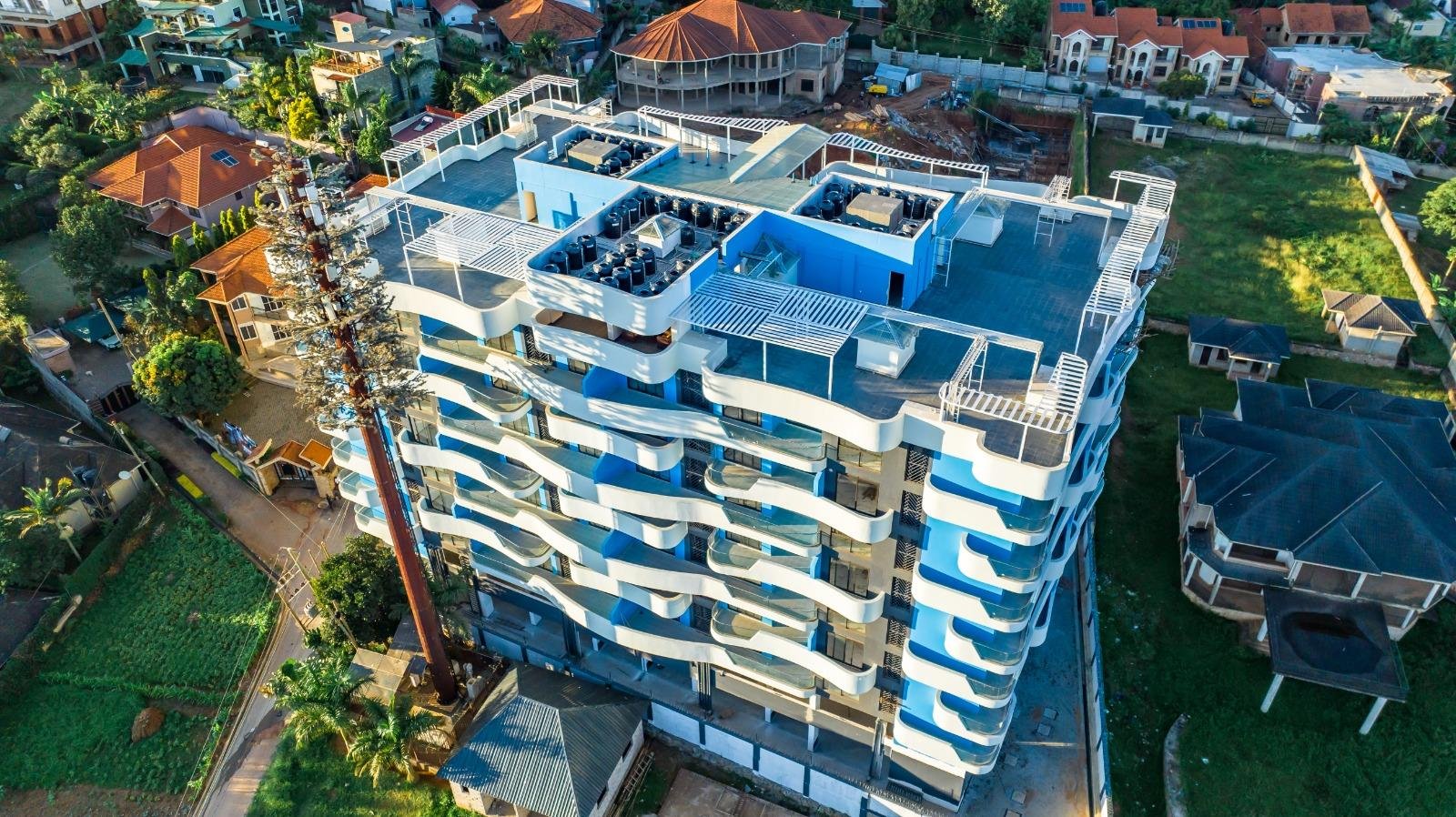
Rising land acquisition costs and shrinking availability of sizeable plots in established urban neighbourhoods are forcing Uganda’s residential property developers to rethink where they invest and the types of housing they build, with apartments and other high-density developments emerging as an alternative to standalone homes.
Across parts of Greater Kampala, developers are increasingly looking at ways to maximise the use of available land by putting several residential units on a single parcel. The approach allows them to spread land acquisition costs across multiple properties rather than relying on the sale or rental of one standalone house to recover the investment.
However, the shift towards apartment developments is not simply a response to expensive land. Developers must also factor in construction costs, infrastructure availability, financing requirements and demand for completed housing before committing to a project.
The pressure was highlighted during a November 18 interview on NBS Television with land developer Ivan Tahire, who spoke about the changing economics of residential property development as land becomes increasingly expensive in established urban areas.
“We used to sell around the city,” Tahire said, describing how developers have had to look beyond their traditional markets as the cost of land changes the economics of residential projects.
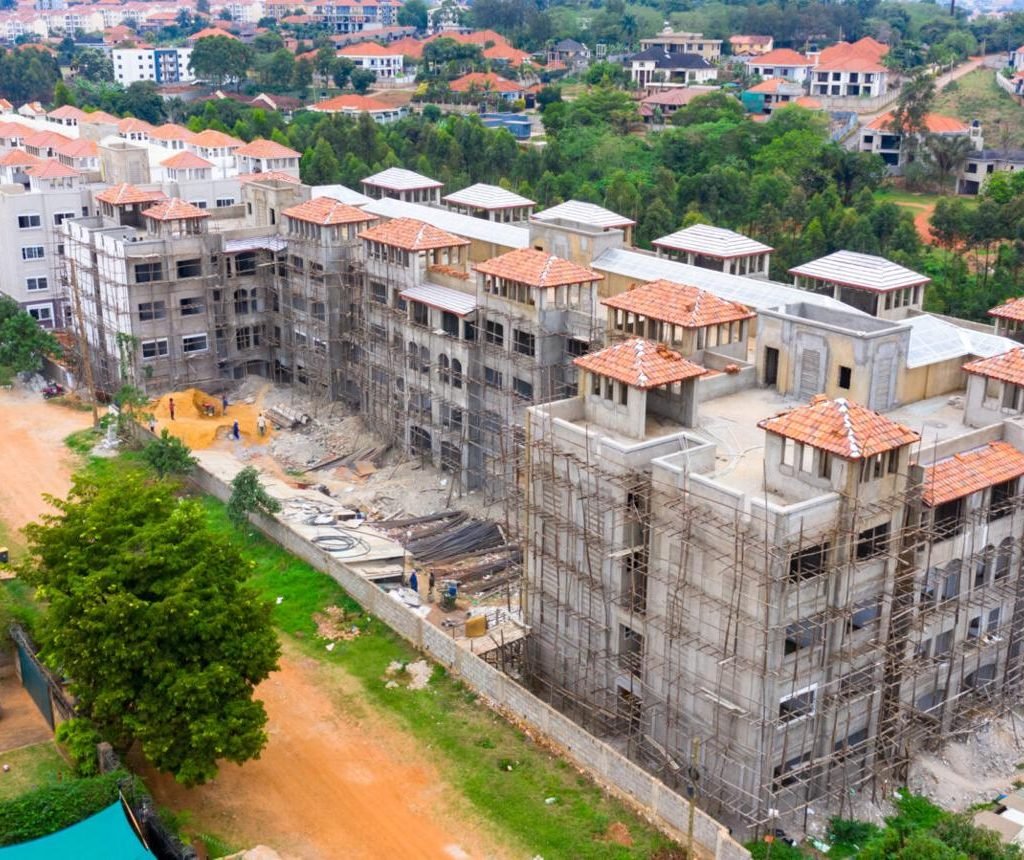
Moving further away from established urban centres, however, does not necessarily guarantee lower development costs. Developers must assess access to roads, electricity, water, drainage and other essential services. Where infrastructure is inadequate, the cost of providing these services can erode the savings made from acquiring cheaper land.
This makes location an important part of the investment decision. A relatively affordable plot may prove expensive to develop if it requires substantial infrastructure investment or is situated in an area with limited demand for housing.
Recent land listings illustrate the price differences across parts of Greater Kampala. A November 3 snapshot by Land & Property recorded seven advertised 50-by-100-foot plots priced between Shs42 million and Shs95 million, with a median asking price of Shs85 million. The listings included properties in Gayaza, Kitende, Masooli and Kira.
Although the small sample does not establish average land prices across Wakiso or other districts, it provides an indication of the asking prices buyers encounter in different locations. Actual values also depend on factors such as road access, title status, available services and the precise location of a parcel.
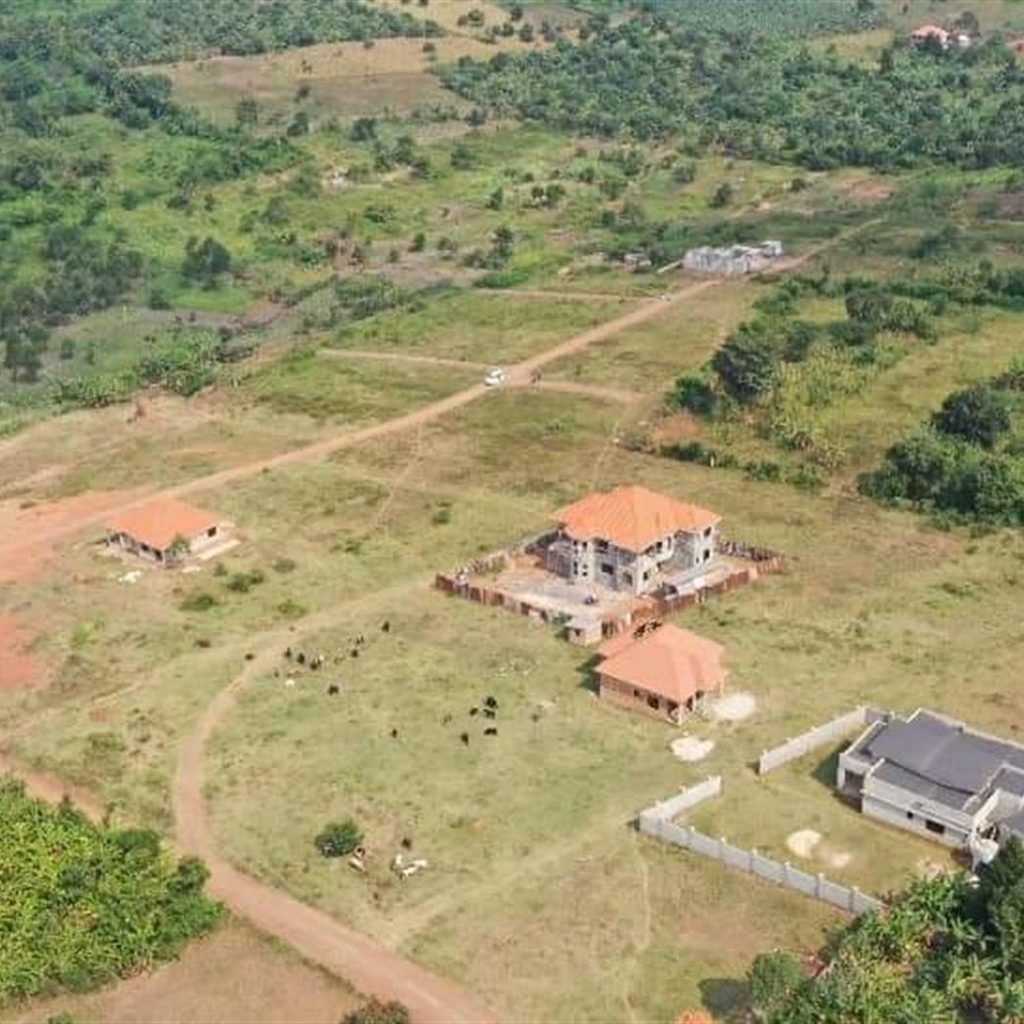
For developers, the appeal of apartments lies partly in their ability to generate more saleable or rentable space from a single piece of land. A parcel that would accommodate one standalone house could potentially support several residential units, allowing the developer to distribute land and some infrastructure costs across a larger number of properties.
But higher density also introduces additional development requirements. Apartment projects need adequate parking, access, drainage, waste management, shared facilities and building services. They also require substantial upfront capital, with developers carrying construction and financing costs before recovering their investment through property sales or rental income.
Consequently, the number of units constructed on a plot does not automatically translate into higher returns. The commercial viability of an apartment project depends on construction expenses, borrowing costs, achievable selling prices or rents, occupancy levels and long-term maintenance requirements.
Residential property figures reveal an uneven market
Uganda’s latest residential property figures suggest that the market is not experiencing uniform price growth across Greater Kampala, adding another consideration for developers assessing where to invest.
The Uganda Bureau of Statistics reported annual residential property inflation of 3.5 per cent for the year ending September 2026, down from 6.4 per cent in the year ending June 2026. The bureau attributed much of the slowdown to Wakiso, where residential property prices recorded an annual decline of 2.3 per cent.
Other parts of the metropolitan area recorded stronger growth. Residential property prices in Kawempe and Rubaga increased by 14.6 per cent over the year ending September, while Kampala Central and Makindye registered growth of 4.6 per cent. Nakawa recorded a 0.3 per cent decline.
The figures point to different market conditions across Greater Kampala, rather than a uniform upward movement in residential property prices. They also need to be distinguished from land prices, which are influenced by separate market dynamics.
The statistics cover residential property prices in Greater Kampala and do not establish land-price movements in other districts or regional towns such as Mbale, Nakasongola and Kiruhura. Neither do they independently demonstrate that developers are switching to apartments because of rising land acquisition costs.
Property documentation and regulation remain important
As developers explore different housing models and locations, buyers and investors also face the responsibility of establishing the legality and quality of the projects entering the market.
During the NBS interview, an investor identified as Mugabi urged prospective property buyers to verify land ownership and documentation before committing money to transactions.
This is particularly important for developments involving several residential units on one parcel. Buyers need to establish whether the developer has legitimate land rights, approved building plans and the necessary permissions, as well as whether the property being marketed corresponds with the approved development.
The proposed Real Estate Bill has also featured in discussions about improving oversight of Uganda’s property sector.
Parliament’s calendar for the second meeting of the first session of the Twelfth Parliament lists the Real Estate Bill, 2025, among the legislation scheduled for consideration between September and December 2026.
However, a Ministry of Finance reforms tracker updated on August 11, 2026, described the related Real Estate Bill 2024 as still being at draft stage, with stakeholder consultations and review ongoing.
The tracker identifies proposed interventions including mandatory licensing for real estate agents, brokers and realtors, alongside fidelity insurance requirements.
The difference in the bill references and their recorded legislative stages means confirmation from the Ministry of Lands and Parliament is necessary before treating specific provisions as settled requirements. The proposed measures should not be confused with existing law.
The economics will determine the next phase
For Uganda’s property developers, the central question is whether the cost of acquiring land, constructing buildings and providing supporting infrastructure can be recovered through sales or rental income.
Apartments provide an opportunity to accommodate more households on increasingly valuable urban land, but their commercial success depends on more than density. Access to infrastructure, construction financing, purchasing power and demand for rental housing will determine whether the model delivers sustainable returns.
For buyers, the changing development landscape makes due diligence increasingly important, particularly where projects involve multiple units, shared facilities and complex land arrangements.
As established urban neighbourhoods become more expensive to develop, the choice between standalone houses and apartments will increasingly depend on the economics of individual locations and the ability of developers to deliver housing that the market can afford.
