
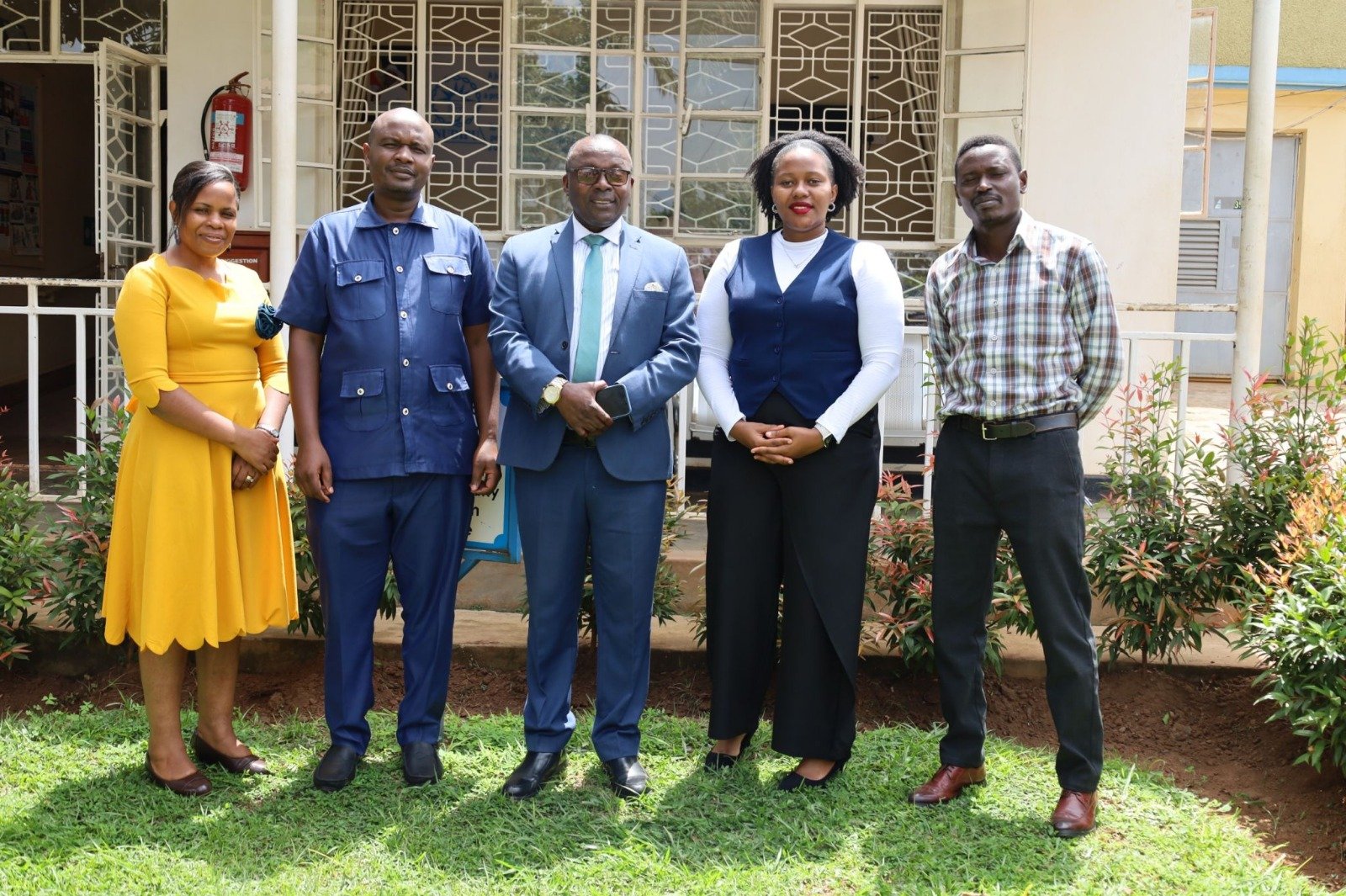
In many workplaces, talent is often measured by access rather than ability. Coca-Cola Beverages Uganda is challenging that assumption with a bold shift that places disability inclusion at the centre of its hiring strategy, not on the sidelines. The company is now betting that true competitiveness comes from unlocking talent that has long been overlooked.
Coca-Cola Beverages Uganda is reshaping its recruitment strategy through a new partnership with the National Union of Disabled Persons of Uganda, marking a clear shift from traditional hiring practices toward a more inclusive and talent-driven model.
The partnership is designed to move disability inclusion from policy statements into practical workforce integration. Under the agreement, the National Union of Disabled Persons of Uganda will support Coca-Cola Uganda in identifying, recruiting, and developing qualified candidates with disabilities across its operations.
Beyond recruitment, the collaboration also focuses on internal transformation. The union will train Coca-Cola Uganda teams on disability awareness, inclusive leadership, and how to make practical workplace adjustments that enable employees with disabilities to thrive. It will also provide advisory support to strengthen internal policies and systems for long-term inclusion.
This approach reflects a broader shift in corporate thinking, where inclusion is increasingly viewed not as a compliance requirement but as a business strategy that strengthens talent pipelines and organisational performance.
Speaking about the partnership, Kirunda Magoola, Public Affairs, Communication and Sustainability Director at Coca-Cola Beverages Uganda, said:
“At Coca-Cola Beverages Uganda, our aspiration is not only to reflect the diversity of the communities where we operate, but also to lead and advocate for a better shared future. People are at the centre of everything we do. We invest in our people to foster an inclusive and thriving workplace that accelerates our growth. Through authenticity, empathy, and collaboration, we create an environment where everyone can succeed together as a team. Our partnership with the National Union of Disabled Persons of Uganda demonstrates our commitment to removing barriers, increasing representation, and reinforcing our culture of inclusion.”
Uganda has a significant population of persons with disabilities who continue to face barriers in accessing formal employment, despite having skills, training, and potential. For companies, this represents an untapped talent pool that can improve innovation, problem-solving capacity, and workplace diversity.
For Coca-Cola Uganda, the partnership also strengthens its position as an inclusive employer while aligning with global environmental, social, and governance expectations that increasingly influence corporate reputation and investor confidence.
The business case for inclusion is becoming clearer. Companies that build diverse and accessible workplaces often benefit from stronger employee retention, improved team performance, and better alignment with diverse consumer markets.
Beyond corporate benefits, the partnership carries wider social impact. Greater inclusion in formal employment supports household incomes, reduces inequality, and helps shift perceptions around disability in the workplace. It reinforces the idea that inclusion is not charity, but a driver of economic participation and productivity.
The success of this initiative will be measured by how well it translates into real outcomes, including increased representation of persons with disabilities in Coca-Cola Uganda’s workforce, stronger retention rates, and career progression opportunities.
As Uganda’s private sector becomes more competitive, companies that can fully unlock all available talent will gain a clear advantage. Coca-Cola Uganda’s move signals a growing recognition that disability inclusion is not just a social commitment, but a strategic business decision that supports long-term growth and resilience. The question now is whether other major employers will follow this lead.
