
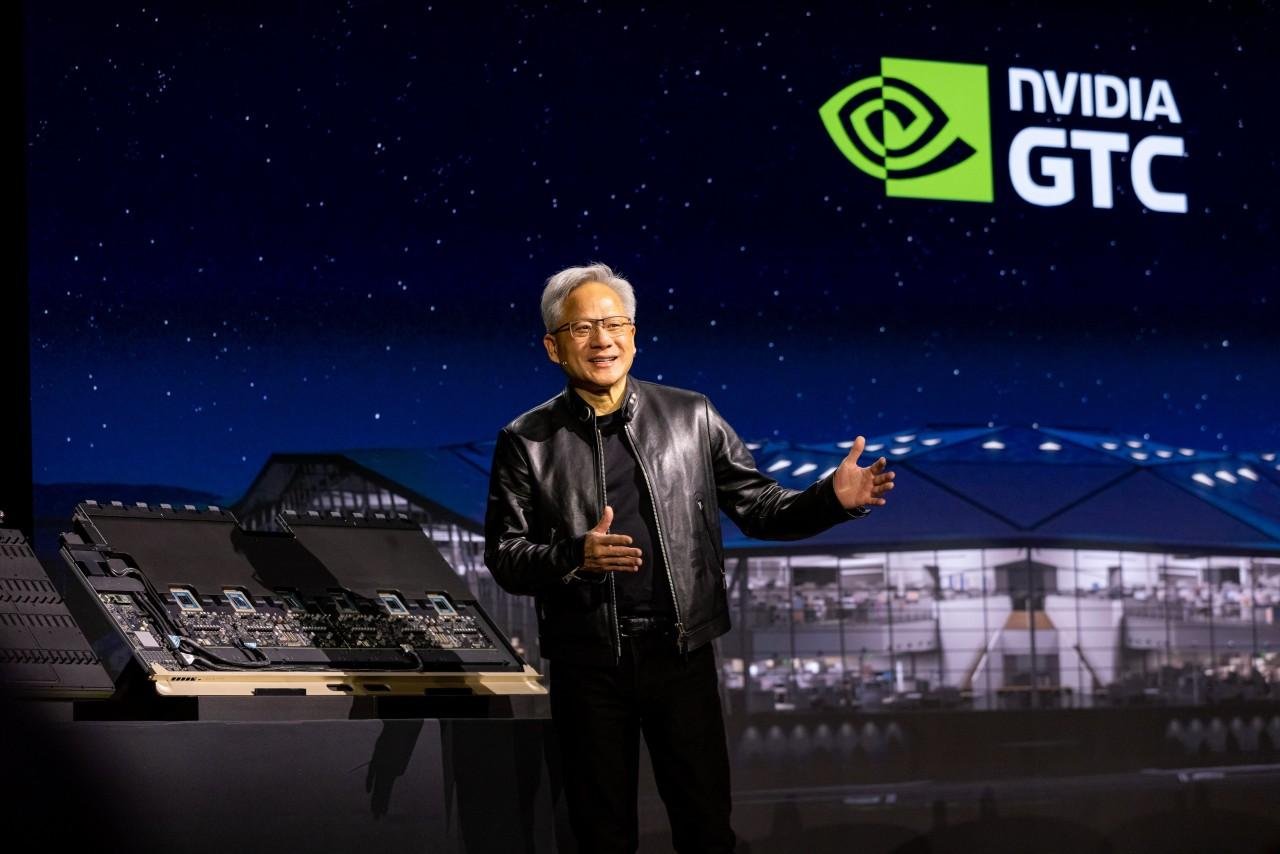
Jensen Huang is exploring a possible return as chief executive of Nvidia, just days after resigning from the chipmaker amid revelations about his personal relationships and concerns surrounding his association with a businesswoman under US intelligence scrutiny.
According to a November 15 Financial Times report, Huang has discussed returning to the company with confidants, while a group of influential Silicon Valley executives is organising a lobbying campaign to persuade Nvidia’s board to reinstate him. The campaign reportedly has Huang’s backing and could extend to seeking support from the White House.
The developments have turned Nvidia’s leadership transition into a broader corporate governance battle, pitting supporters who credit Huang with building the company’s dominance in artificial intelligence against those who believe the circumstances surrounding his departure require a decisive leadership change.
The Campaign to Bring Huang Back
Huang’s potential comeback has attracted support from prominent figures across the technology industry. Tesla and SpaceX chief executive Elon Musk, Epic Games founder Tim Sweeney and Y Combinator chief executive Garry Tan are among the high-profile figures who have signed an online petition calling for his reinstatement.
The Stand with Jensen campaign had attracted more than 150,000 signatures by November 16, according to reports. Organisers say the signatories include Nvidia employees, former employees and shareholders, although the figures are based on information submitted through the petition platform and have not been independently verified.
The campaign argues that Huang deserves a fair hearing while the company’s independent investigation establishes the facts surrounding his departure.
Support is also emerging from major investors. Brad Gerstner of Altimeter Capital and Gavin Baker of Atreides Management have written to Nvidia’s board urging directors to consider all available options, including Huang’s return.
Their intervention is significant because it shifts the debate beyond personal loyalty to the question of whether reinstating the company’s co-founder would serve the interests of shareholders and the business.
Why Huang’s Departure Matters
Huang co-founded Nvidia in 1993 and led its transformation from a graphics processing chipmaker into the dominant supplier of processors powering the global artificial intelligence industry.
Under his leadership, Nvidia became one of the world’s most valuable companies, supplying the advanced computing infrastructure used by technology companies developing generative AI systems.
His influence extends beyond the company’s products. Nvidia’s relationships with customers, technology partners and investors have developed around his leadership over more than three decades. Supporters argue that replacing him risks disrupting relationships and strategic direction that have been central to the company’s growth.
However, the circumstances surrounding his resignation have created questions that go beyond succession planning.
Reports by The New York Times and Reuters detailed Huang’s relationship with Alice Huang, a former executive associated with Nvidia customer Megaspeed International. US intelligence officials reportedly suspect her of links to Chinese intelligence, although Reuters has said it has not independently verified that she worked for the Chinese government.
The relationship also raised questions about Nvidia’s exposure to potential export-control risks involving advanced AI chips destined for China. These concerns prompted the company’s independent directors to commission an investigation with external legal counsel.
Huang subsequently acknowledged infidelity in an apology to his family and colleagues before resigning on November 12.
The Board Faces a Difficult Succession Decision
Following Huang’s departure, Nvidia appointed Chief Financial Officer Colette Kress as interim chief executive while beginning the search for a permanent successor.
The board has indicated that it will consider both internal and external candidates. Reports have also identified Arm Holdings chief executive Rene Haas as a potential candidate approached during the succession process.
The board’s decision is complicated by the competing demands of investors, employees, regulators and other stakeholders. While some shareholders want directors to preserve the possibility of Huang’s return, the independent investigation and questions surrounding corporate oversight remain central to the process.
Washington’s interest adds another dimension. The allegations have drawn attention to the intersection of corporate leadership, US national security and restrictions on the export of advanced semiconductor technology to China.
Nvidia’s Next Test
The immediate challenge for Nvidia is maintaining business confidence while its leadership uncertainty continues. The company is scheduled to release its third-quarter fiscal 2027 financial results on November 17, with Kress expected to lead the business through the transition.
The earnings announcement will provide investors with an opportunity to assess the company’s financial performance independently of the leadership crisis.
For now, Huang’s reported comeback discussions remain informal. Nvidia has not announced a decision to reinstate him, and the board’s succession process remains unresolved.
The central question is whether the loyalty Huang commands among parts of Silicon Valley and Nvidia’s shareholder base will be enough to overcome the governance and reputational concerns surrounding his departure. The answer will determine not only the company’s next chief executive but also how Nvidia balances the legacy of its founder with the demands of corporate accountability.
