

Uganda’s central bank has chosen to make borrowing more expensive today to guard against a potentially more damaging rise in prices tomorrow.
On October 14, 2026, the Bank of Uganda (BoU) raised its Central Bank Rate (CBR) from 9.75% to 12%, an increase of 225 basis points, in an emergency policy move aimed at containing inflationary pressures from a weakening shilling, rising global energy costs and escalating conflict in the Middle East.
The decision marks a sharp departure from eight consecutive meetings at which the rate remained unchanged. It also signals that the central bank is increasingly concerned about where inflation is heading, rather than where it stands today.
For households, businesses and investors, the consequences extend beyond monetary policy. Borrowing costs could rise, returns on fixed-income investments may improve, and the shilling could receive support. However, tighter financial conditions could also slow investment and economic activity at a time when Uganda faces mounting external pressures.
Why the Bank of Uganda acted now
The central bank’s concern is that several external shocks are converging to create a sustained inflation risk.
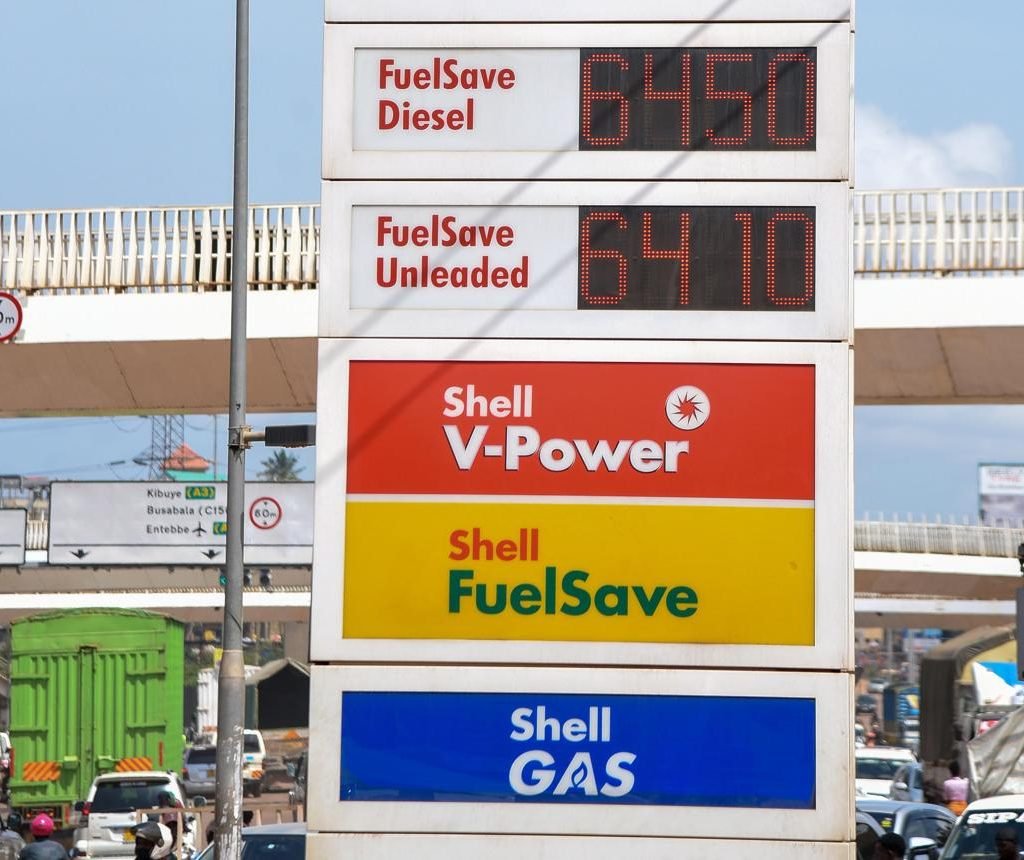
The escalation of conflict in the Middle East has disrupted shipping routes and energy infrastructure, increasing oil prices, freight charges and insurance costs. For an import-dependent economy such as Uganda, these developments raise the cost of fuel and imported goods while putting additional pressure on the exchange rate.
The shilling’s depreciation has compounded the problem by making dollar-denominated imports more expensive in local currency. Businesses facing higher fuel, transport and raw-material costs may eventually pass those expenses on to consumers.
The BoU’s latest inflation projections suggest that the pressure could intensify. Core inflation, which excludes some of the more volatile price movements, is projected to reach 5.5% to 6% over the next 12 months, while headline inflation could rise to between 7% and 7.5%.
Both forecasts point to inflation moving beyond the central bank’s medium-term core inflation target of 5%.
The policy decision is therefore a pre-emptive attempt to prevent temporary external shocks from becoming more persistent domestic price increases.
Inflation is rising, but remains below target
The decision comes as Uganda’s inflation rate begins to accelerate.
Headline inflation rose to 4.6% in September from 4.1% in August, driven partly by food crop prices and the initial impact of exchange-rate depreciation on fuel costs.
Core inflation also increased to 3.7% in September, up from 3.5% in August and 3% in May.
Although these figures remain below the 5% medium-term target, the direction of movement matters for monetary policymakers. If households and businesses begin expecting higher prices to persist, workers may demand higher wages and companies may adjust prices in anticipation of rising costs.
Such second-round effects can make inflation more difficult to control.
The BoU is seeking to limit that risk by tightening financial conditions before inflation becomes entrenched. Its assessment is that delaying action could require more aggressive measures later, potentially imposing a greater cost on economic growth.
The shilling and external accounts add to the pressure
Uganda’s external position has also weakened, increasing the importance of exchange-rate stability.
The current account deficit widened by US$1.4 billion to US$4.6 billion, while the goods deficit increased to US$2.8 billion from US$2.4 billion over the 12 months to August 2026.
The services deficit rose to US$3.3 billion from US$2.2 billion, largely reflecting higher freight costs. The primary income deficit also widened, while increased remittances provided some relief through an improvement in secondary income.
At the same time, higher interest rates in advanced economies have made some foreign investments more attractive relative to Ugandan assets. Reduced capital inflows can put additional pressure on the shilling.
A higher CBR may help support the currency by improving the relative attractiveness of domestic financial assets and moderating demand for imports. However, the effect is not automatic. Exchange-rate movements will continue to depend on global investor sentiment, foreign-currency supply, import demand and developments in international markets.
The rate increase should therefore be understood as one component of a broader effort to manage inflation and external vulnerability, rather than a guarantee of immediate currency stability.
A second tightening measure reinforces the message
The October decision follows an earlier move to tighten liquidity in the banking system.
In September, the BoU raised the Cash Reserve Requirement from 11% to 13.5%, effective September 24. The requirement determines the proportion of commercial bank deposits that must be held as reserves at the central bank.
Increasing it reduces the funds banks can deploy for lending, helping to restrain excess liquidity and strengthen the transmission of monetary policy.
Together, the higher reserve requirement and the increase in the CBR signal a more restrictive policy stance. The central bank is not relying on a single instrument to address the risks; it is also seeking to influence the amount of money circulating through the banking system.
Following the latest decision, the rediscount rate rises to 15% and the bank rate to 16%, reflecting their established margins above the CBR.
The cost of defending price stability
The principal trade-off is economic growth.
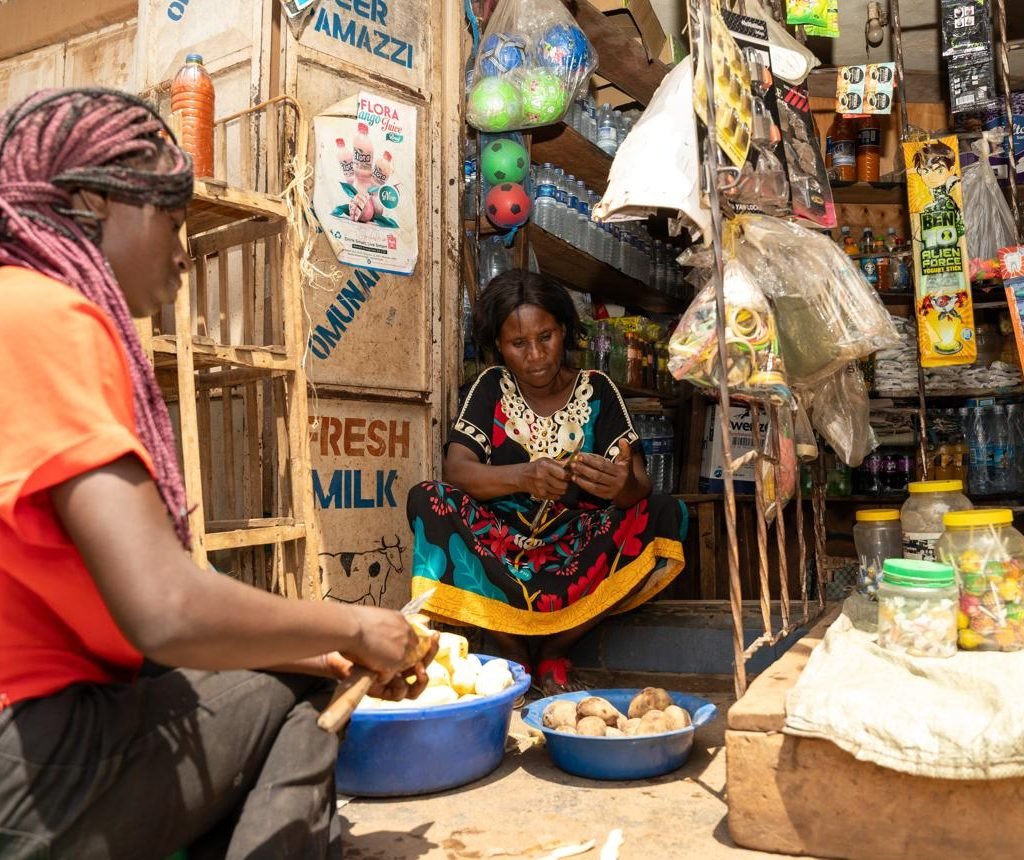
Higher interest rates generally increase the cost of credit, which can discourage borrowing for business expansion, housing, vehicles and working capital. Companies may postpone investments, while households facing more expensive loans may reduce discretionary spending.
These effects matter because Uganda’s growth outlook has already weakened.
Economic growth is projected at 6.4% for the quarter ending September 2026, down from the 6.8% reported by the Uganda Bureau of Statistics for the quarter ending June. The forecast for the 2026/27 financial year has also been revised down to between 6% and 6.5%, from an earlier range of 7% to 7.5%.
The downgrade reflects tighter financial conditions, exchange-rate depreciation, elevated energy prices and geopolitical uncertainty.
The central bank expects growth to strengthen over the medium term as external pressures ease and investment, exports and oil-sector developments support economic activity. In the near term, however, tighter monetary policy could add to the pressure on businesses and consumers.
The challenge is to slow the build-up of inflation without unnecessarily weakening productive investment and domestic demand.
What the rate increase means for borrowers and savers
For borrowers, the immediate concern is the potential repricing of credit.
Commercial banks do not adjust every loan rate automatically or by the same amount when the CBR changes. However, a sustained increase in the policy rate can raise banks’ funding costs and influence the interest rates charged on new loans and some existing facilities.
Businesses that depend on short-term credit could face higher operating costs, while households seeking mortgages or vehicle financing may find borrowing less affordable.
The impact on savers could be more favourable. Banks may increase deposit rates, while yields on newly issued government securities could rise as investors demand returns that reflect tighter monetary conditions. Existing fixed-rate securities, however, may lose market value when market yields increase.
The broader outcome will depend on how quickly banks pass the policy change through to their customers and how financial markets respond.
What happens next?
The effectiveness of the rate increase will depend on developments that the BoU cannot control directly, particularly the Middle East conflict, international oil prices, weather conditions and global capital flows.
If external pressures ease, tighter domestic policy may help contain inflation while allowing economic activity to recover. If oil prices rise further or the shilling remains under pressure, inflation could prove more persistent and additional policy action may become necessary.
For now, the central bank has made its priority clear: protecting price stability, even at the risk of slower near-term growth.
The central question is whether raising rates now will prevent a more disruptive inflation cycle later. For Uganda’s borrowers, businesses and investors, the answer will become clearer as the higher cost of money works its way through the economy.
