
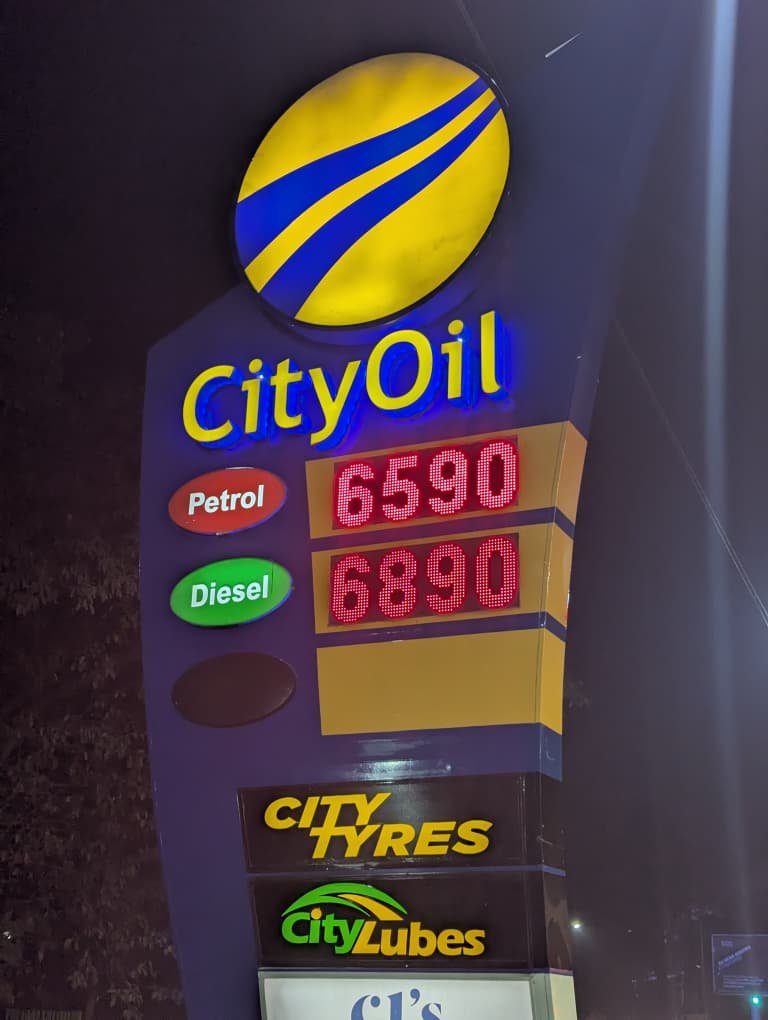
A few months ago, choosing a diesel vehicle was an easy decision for many Ugandan motorists. Diesel was cheaper at the pump, and its better fuel economy made it an attractive option for drivers looking to save money. Today, that decision looks different. Diesel has become more expensive than petrol at many fuel stations across the country, turning what was once a cost-saving advantage into an unexpected expense for motorists who chose diesel vehicles.
To understand why this has happened, it helps to look at what the two fuels are, why diesel was cheaper for so long, and what has pushed its price above petrol even as the cost of both fuels continues to rise.
What petrol and diesel are and how they differ
Both fuels come from the same raw material, crude oil. In a refinery, crude oil is heated and separated into different products according to their boiling points. Petrol, also known as gasoline or motor spirit, is a lighter and more volatile product. It is designed for spark ignition engines, which are common in private cars, motorcycles and many light commercial vehicles.
Diesel, also known as automotive gas oil, is a heavier and less volatile fuel. It is designed for compression ignition engines, which compress air until it becomes hot enough to ignite the injected fuel. These engines are commonly found in trucks, buses, tractors, generators, construction equipment and some larger cars and pickups.
Diesel engines are generally more fuel efficient than comparable petrol engines. This means a diesel vehicle can often travel further on a litre of fuel than a similar petrol vehicle. For many Ugandan motorists, that efficiency, combined with diesel’s lower pump price, made buying a diesel car or pickup an attractive financial decision.
However, refineries cannot freely change how much petrol or diesel they produce. Their output depends on the type of crude oil they process and the equipment available. When global demand for one fuel exceeds the available supply, its price can rise relative to other petroleum products. This helps explain why petrol and diesel, despite coming from the same raw material, do not always move in the same direction or rise at the same pace.
Why diesel was cheaper than petrol for so long
In Uganda, the historical price advantage of diesel has been influenced by taxation and the different roles the two fuels play in the economy.
Petrol is widely used by private motorists, while diesel powers much of the commercial transport sector, agricultural machinery, industrial equipment and backup generators. Governments have often maintained lower taxes on diesel to limit the cost of transporting goods, supporting agricultural production and keeping businesses running.

This tax structure helped make diesel cheaper at the pump for many years. For motorists, the combination of lower fuel prices and better fuel economy made diesel vehicles particularly attractive to people who travelled long distances or used their vehicles for business.
Taxi operators, truck drivers, farmers and other commercial users had a strong incentive to choose diesel because fuel is a major operating expense. Private motorists also considered the potential savings when buying a car.
However, the relationship between petrol and diesel prices is not fixed. International markets determine the underlying cost of each product, while taxation, transportation and other domestic expenses influence the final price paid by consumers.
Diesel’s historical advantage at Ugandan fuel stations was therefore not guaranteed to last. It depended partly on the tax structure and partly on the relationship between international supply and demand for the two fuels.
Fuel prices have risen for both, but diesel has risen faster
The recent increase in fuel prices has affected both petrol and diesel. Rising international crude oil prices have increased the cost of producing petroleum products, while movements in the exchange rate have affected the cost of importing fuel into Uganda.
Because the country relies heavily on imported refined petroleum products, changes in international prices can quickly influence domestic pump prices. A weaker Uganda shilling makes fuel imports more expensive in local currency, adding pressure on motorists and businesses.
Changes in fuel taxes also contribute to the final price at the pump. Transportation, storage and distribution costs add further expenses, particularly because Uganda is a landlocked country.
These factors help explain why motorists are paying more for fuel. However, they do not fully explain why diesel has become more expensive than petrol at many stations.
The crucial difference is that diesel has faced additional pressure in international markets. While crude oil prices affect both fuels, the prices of refined products are also shaped by the availability of each fuel and the demand for it.
When diesel becomes relatively scarce, its price can rise faster than petrol, even when both products are made from the same raw material.
What specifically pushed diesel higher
The additional pressure on diesel is linked to tightening global supplies of refined petroleum products, particularly middle distillates, the category that includes diesel.
Russia is an important supplier of diesel to international markets. Disruptions to Russian refining operations, including damage associated with Ukrainian attacks on refineries, have affected the availability of refined products. Export restrictions have also limited the volumes available to some international buyers.
At the same time, disruptions affecting refining operations in the Middle East have added pressure to global supplies.
These developments have intensified competition for available diesel supplies. When buyers compete for a limited amount of fuel, prices rise. This can happen even when the global market has sufficient crude oil, because crude oil must still be refined into usable products.
The result is that diesel can become more expensive relative to petrol, reflecting a shortage of the refined product rather than simply a shortage of crude oil.
For Uganda, the consequences are significant because imported fuel prices are influenced by international market conditions. When diesel becomes more expensive on the global market, importers face higher costs, which can eventually be reflected in domestic pump prices.
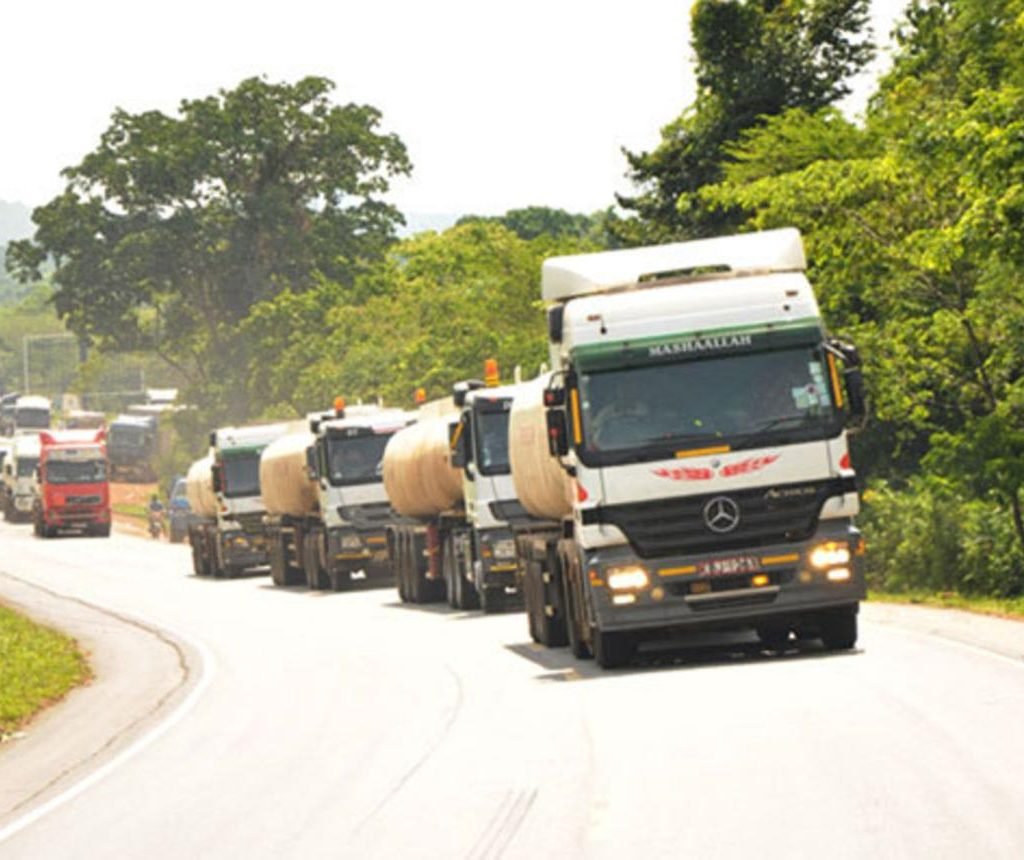
Exchange rate movements can compound the problem by increasing the local currency cost of fuel purchased in dollars.
Although fuel taxes and distribution expenses contribute to the final price, they do not necessarily explain why diesel has overtaken petrol. The key distinction is that both fuels face many of the same domestic cost pressures, while diesel is also experiencing specific international supply constraints.
Ugandan authorities have previously indicated that the country maintains fuel stocks to help protect against supply disruptions. This distinction matters because rising prices do not automatically mean the country is running out of fuel. The immediate challenge can instead be the higher cost of obtaining supplies on the international market.
Why the change matters beyond the pump
Diesel is more than a fuel for private motorists. It powers trucks that transport food and other goods, generators that keep businesses operating during power interruptions, tractors used in farming and machinery used in construction and manufacturing.
When diesel becomes more expensive, the effects can spread throughout the economy.
Transport operators face higher operating costs. Some may absorb the additional expense through reduced profit margins, while others may pass it on through higher fares and delivery charges.
Farmers who rely on diesel-powered machinery may face higher production costs. Manufacturers and businesses that depend on generators may also spend more to keep their operations running.
These additional expenses can eventually influence the prices of goods and services, including food and other everyday necessities. Consumers who do not own diesel vehicles can therefore still feel the impact of rising diesel prices.
The reversal also challenges a long-standing assumption among motorists that diesel is always the cheaper option.
For someone considering a vehicle purchase, fuel efficiency remains an important factor, but it is no longer enough to assume that diesel will automatically deliver lower running costs. The price of the fuel, the vehicle’s consumption, maintenance expenses and the distance travelled all influence the overall cost of ownership.
A diesel vehicle may still offer better fuel economy than a comparable petrol vehicle, but the financial advantage depends on the price difference between the fuels and how efficiently the vehicle uses them.
The reversal in Uganda’s fuel market reflects a combination of long-standing domestic tax policies and changing international market conditions. Crude oil prices, exchange rate movements and taxation have contributed to the wider increase in fuel costs, while tighter global diesel supplies have placed additional pressure on diesel prices.
Until those supply pressures ease or market conditions change, diesel may continue to cost more than petrol at many Ugandan fuel stations.
For motorists who chose diesel because it was cheaper, the shift is a reminder that the economics of driving can change. What once seemed like a straightforward way to save money has become a more complicated calculation, with consequences extending beyond individual motorists to the businesses and industries that depend on diesel to keep the economy moving.
