
A Shs394 billion cassava processing plant in Kamuli District is struggling to move into full-scale production because of inadequate electricity, forcing its operator to spend about Shs15 million a day on diesel to run industrial generators.
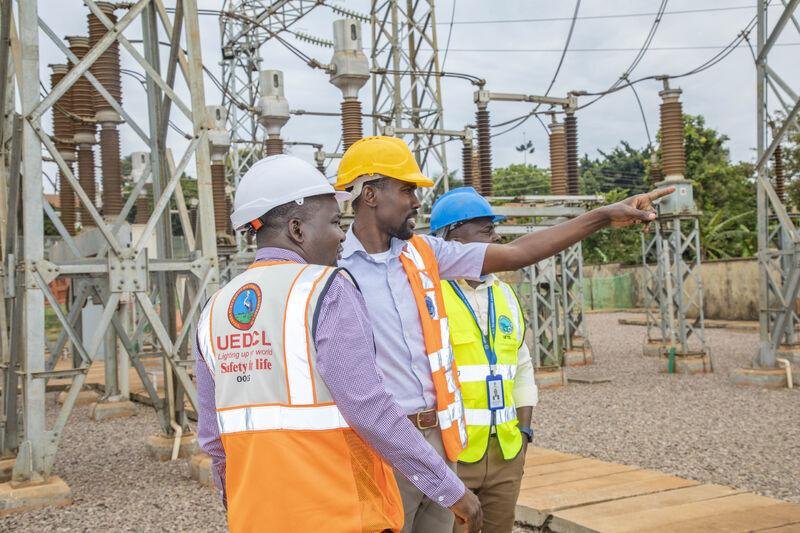
The power crisis has prompted Energy Minister Dr Monica Musenero to give the Uganda Electricity Distribution Company Limited (UEDCL) two weeks to connect Dei BioPharma’s high-tech cassava processing facility to the national grid and upgrade the infrastructure needed to support its operations.
The plant, located in Busambu, Namasagali Sub-county, was commissioned by President Yoweri Museveni on November 20, 2025. It is designed to process up to 500 tonnes of cassava a day into pharmaceutical-grade starch and industrial sugars including glucose, maltose and fructose.
But despite the investment being ready for commercial production, the available electricity supply has not been sufficient to support continuous operations. According to Dei BioPharma founder Dr Matthias Magoola, the company has been forced to rely on diesel generators for testing and production, with one generator consuming about Shs15 million in fuel during a single shift.
The company has consequently been operating only intermittently. Magoola told ChimpReports that production has been limited to about once a week because of the power constraints, despite the plant requiring more than five megawatts of electricity to operate at full capacity.
The problem highlights the infrastructure challenge facing Uganda as the country attempts to attract investment into energy-intensive manufacturing and move agricultural production further up the value chain.
During a visit to the facility this week, Dr Musenero directed UEDCL to find a solution within two weeks. The minister said the government would not allow a major industrial investment to remain idle because of electricity constraints and linked the intervention to a broader effort to address unreliable power supply affecting industries.
UEDCL has committed to connecting the facility and upgrading sections of the distribution network, including replacing conductors, according to Dei BioPharma. The success of the intervention will determine whether the plant can shift from expensive generator-powered trials to sustained commercial processing.
The economic importance of the factory extends beyond Kamuli because its output is intended to form part of Dei BioPharma’s wider pharmaceutical manufacturing chain. The facility sits on about 700 acres and is expected to process cassava into inputs for pharmaceutical and food manufacturing. Dei BioPharma says it plans to develop more than 100 products and derivatives from cassava and other crops, including maize and sweet potatoes.
The Kamuli facility is also intended to supply pharmaceutical-grade starch and industrial sugars to the company’s manufacturing complex in Matugga, Wakiso District. That connection gives the power problem implications beyond a single factory. Dei BioPharma has been expanding its pharmaceutical manufacturing ambitions, with the Matugga complex positioned to produce medicines, vaccines, biologics and other health products.
In August, the company filed seven US patent applications covering mRNA cancer-vaccine technologies. Earlier this month, it was also formally onboarded as a registered manufacturer under the African Pooled Procurement Mechanism coordinated by Africa CDC, giving it access to a continental procurement platform for African-made health products.
Government has also identified the pharmaceutical sector as part of its industrialisation strategy. The 2026/27 budget documents state that Uganda is supporting domestic production of medicines, vaccines, diagnostics and other health products to promote import substitution, export growth and resilience in the health sector.
The electricity bottleneck is also limiting the plant’s ability to create the market for cassava that its developers envisaged. Magoola said the facility needs about 500 tonnes of cassava every day and sources the crop from Busoga and other parts of Uganda, including Teso, Lira, Gulu, Arua and Bukedea. With production restricted by electricity shortages, the factory cannot absorb cassava at its intended scale.
This creates a bottleneck between agricultural production and industrial processing. Farmers can increase output, but without reliable industrial buyers, increased production does not automatically translate into higher and more predictable incomes.
For Dei BioPharma, securing adequate electricity therefore represents more than an operating-cost reduction. It is a prerequisite for scaling the processing business, expanding demand for locally grown cassava and supplying inputs to its pharmaceutical manufacturing ambitions.
The immediate test now lies with UEDCL. If the two-week deadline is met, the Kamuli plant could begin moving toward the production volumes for which it was designed. If the power constraints persist, the Shs394 billion investment will continue carrying the costs of an industrial facility operating below its intended capacity.
