
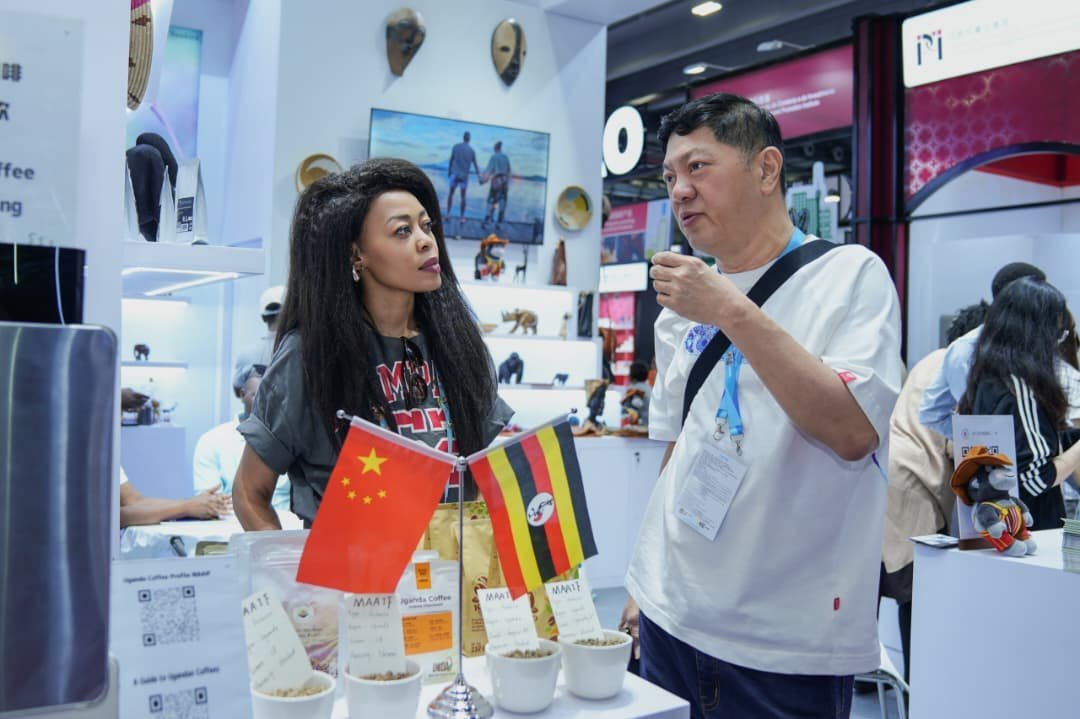
Uganda is making a strategic shift in global trade, moving beyond the export of raw materials and positioning itself as a producer of finished, value-added products. At the 139th Canton Fair in Guangzhou, China, held from May 1–5, 2026, Uganda used one of the world’s largest trade exhibitions to showcase this changing direction.
Led by Ambassador Juju Nsababera, the Ugandan delegation presented a stronger message to international markets: Uganda is no longer looking to compete only as a source of raw commodities, but as a growing manufacturing and value-addition economy.
For years, many African economies have remained trapped in a cycle of exporting raw agricultural products and importing finished goods at much higher prices. Uganda’s presence at the Canton Fair reflected an effort to break away from that model.
Instead of focusing only on raw coffee beans, organic products, and crafts, Ugandan businesses showcased finished brands designed for international consumers. This shift allows local companies to capture more value, reduce dependence on fluctuating commodity prices, and compete directly in premium global markets.
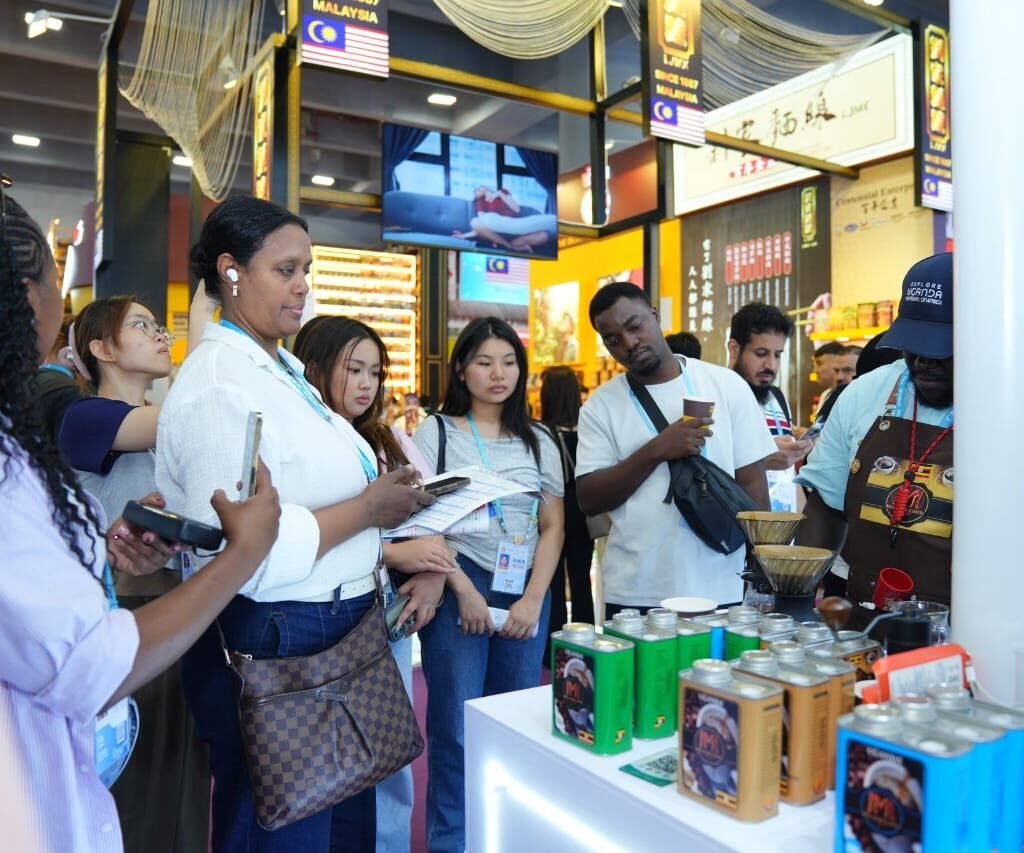
Coffee companies such as Seedstar Specialty Coffee and Megkari Coffee presented branded, market-ready products rather than bulk exports. Organic producers including Elyon Organics, Senela Organics, and RhinoSeeds Africa demonstrated that Ugandan products can meet international packaging and quality standards required in Asian and Middle Eastern markets.
Ugandan crafts were also positioned differently, moving from simple souvenirs to premium sustainable décor products targeting global lifestyle and luxury markets.
The strategy goes beyond exports alone. Uganda is also using international trade platforms to attract foreign direct investment into sectors such as agro-processing, manufacturing, mineral development, and tourism.
“Uganda is no longer just exporting raw materials. It is positioning itself as a producer of competitive global brands.”
China remains one of Uganda’s largest trading partners, with bilateral trade valued at over $1.46 billion. However, the relationship has largely favored imports into Uganda. Participation in the Canton Fair forms part of Uganda’s broader commercial diplomacy strategy aimed at increasing exports and improving trade balance.
With a consumer market of more than 1.4 billion people, China presents enormous opportunities for Ugandan businesses. However, success in such markets depends on more than product availability. It requires consistency, branding, quality control, packaging, and reliable supply chains.
The Canton Fair served as an important test of Uganda’s readiness in these areas, with reports indicating that several businesses secured direct export orders and opened discussions with international buyers and investors.
The long-term economic significance of this shift is substantial. By investing in value addition, Uganda can create higher-skilled jobs, increase export earnings, strengthen local industries, and reduce vulnerability to global commodity price fluctuations.
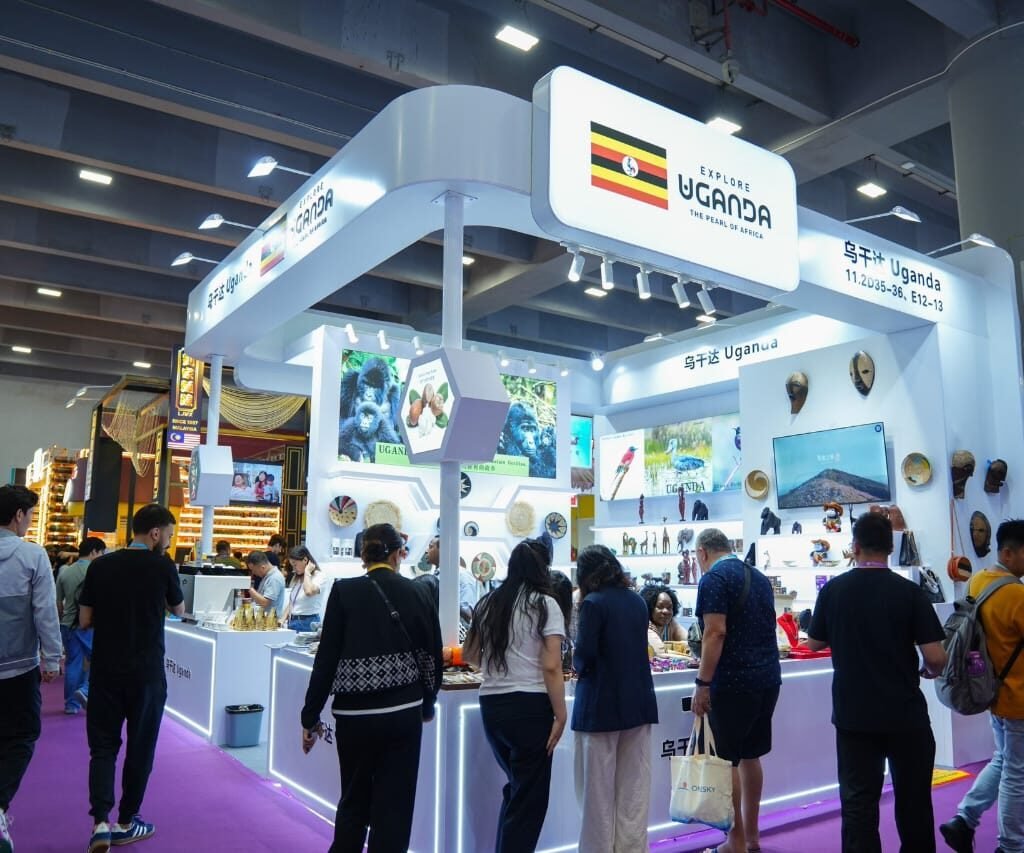
The real challenge now moves from exhibition to execution. Ugandan businesses must consistently meet international standards and maintain supply reliability if they are to sustain long-term growth in competitive global markets.
Still, the message from Guangzhou was clear: Uganda is steadily repositioning itself from a supplier of raw materials to a serious value-added competitor in global trade.
