
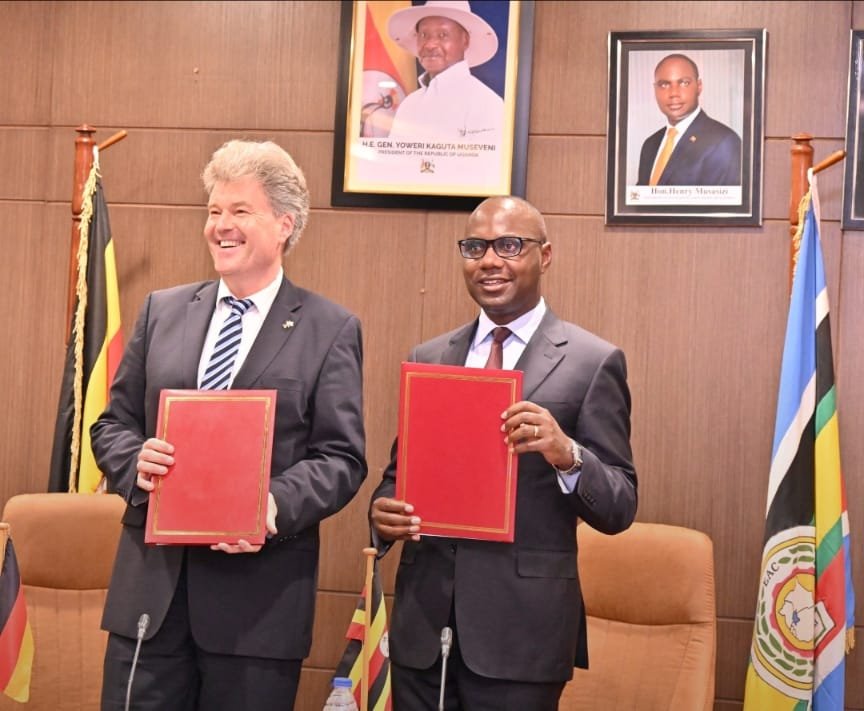
Germany has committed €50 million in grants to Uganda to finance water, electricity, agriculture and local development projects over the next two years, with West Nile among the main beneficiaries. The funding follows two days of government-to-government negotiations in Kampala, which ended on November 3, 2026. The agreement provides €30 million for financial cooperation and €20 million for technical cooperation.
The commitment is equivalent to approximately Shs239 billion, although the exact Ugandan shilling value depends on the exchange rate used. The largest share, €35 million, representing 70 per cent of the package, will support water and electricity projects. Another €10 million will go towards agribusiness and local economic development, while €5 million will support refugees and the communities hosting them.
For Uganda, the funding comes as the government seeks to improve electricity access, expand agricultural production and attract investment into sectors expected to support its target of growing the economy to $500 billion by 2040.
Finance Minister Henry Musasizi said the support would contribute to Uganda’s National Development Plan IV and Tenfold Growth Strategy, which identifies Agro-industrialisation, tourism, mineral development and science, technology and innovation as priority areas.
“We appreciate this support. It comes at a time when resources for overseas development support are under pressure across Europe given the ongoing global challenges,” Musasizi said.
He added that the water and electricity investments would support the country’s wider economic transformation plans. He also called on German companies to explore opportunities in production, processing, exports and job creation in Uganda.
The €35 million allocation for water and electricity includes support for water security, particularly investment in the River Enyau project. The negotiations also identified €18 million for electrification in the West Nile sub-region.
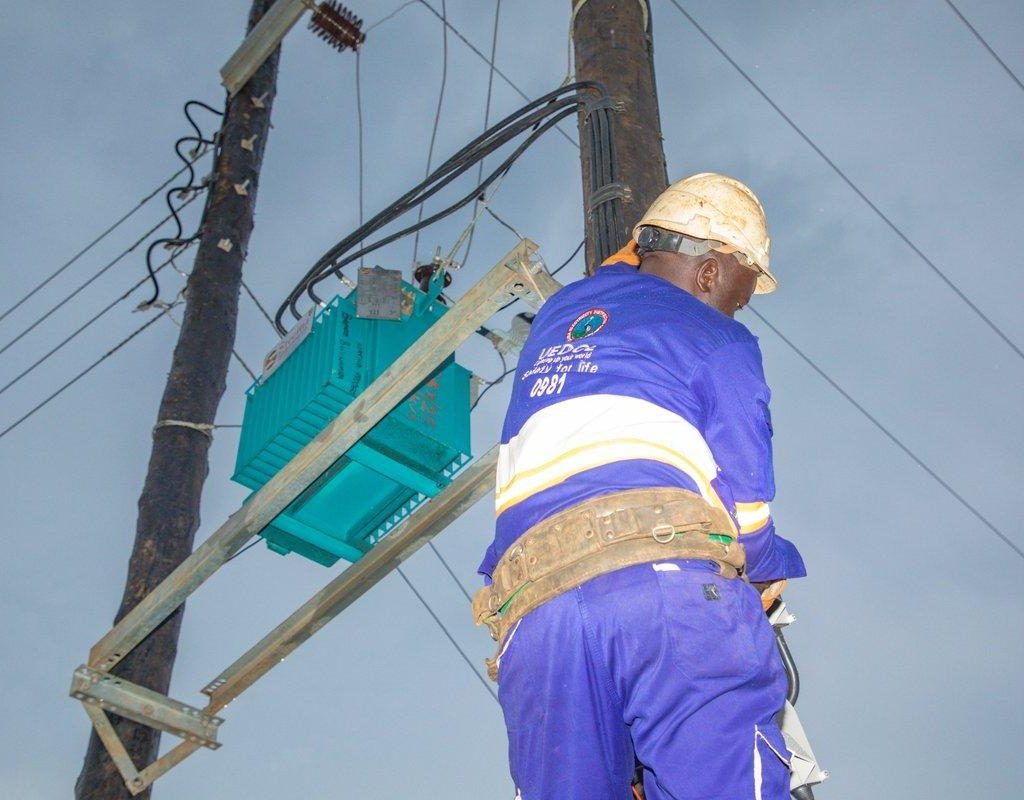
The electricity investment is expected to benefit businesses, farms and communities in a region with commercial links to eastern Democratic Republic of Congo and South Sudan. For manufacturers and agricultural businesses, reliable electricity is important for operating machinery, processing produce, preserving products, and reducing dependence on expensive alternative energy sources.
West Nile’s location also adds a regional trade dimension to the investment. Improved electricity access could support businesses serving markets across the borders with South Sudan and the Democratic Republic of Congo.
The €10 million allocation for agribusiness and local economies will support climate-resilient agriculture, value addition and local economic development programmes. These include the proposed SCALE programme in Northern Uganda. The funding is intended to support economic activity beyond primary agricultural production by improving opportunities for processing, enterprise development and local investment.
The remaining €5 million will support refugees and host communities. Uganda hosts approximately 2.05 million refugees and asylum-seekers, according to figures presented by the Ministry of Finance during the negotiations.
The funding recognises the economic and social pressures experienced by communities hosting refugees, particularly in areas where demand for land, water, employment and public services is high.
The package will be delivered through two forms of cooperation. Germany’s KfW Development Bank will support financial cooperation, while the German development agency GIZ will implement technical cooperation. Financial cooperation supports development investments, while technical cooperation provides expertise, training and institutional support needed to implement projects.
Joachim Schmitt, Head of the Central and East Africa Division at Germany’s Federal Ministry for Economic Cooperation and Development, said the partnership would support Uganda’s ambition to graduate from Least Developed Country status.
He said German cooperation would remain aligned with Uganda’s Vision 2040, National Development Plan IV and Tenfold Growth Strategy. Schmitt also emphasised the importance of involving Ugandan, German and European businesses in investment, job creation and economic development.
German Ambassador to Uganda Sigrid Sommer said the new commitments build on more than 60 years of cooperation between the two countries.
“With these additional bilateral commitments, Germany remains a strong partner of Uganda and its people,” Sommer said.
She explained that the negotiations had established a basis for development cooperation over the next two years. She also highlighted the role of trade and investment alongside development assistance, saying Germany would continue identifying opportunities to strengthen commercial relations with Uganda.
The Permanent Secretary and Secretary to the Treasury, Ramathan Ggoobi, also called for deeper economic cooperation, particularly in technology transfer, industrialisation, skills development and enterprise growth. He said development partnerships should translate into increased production, value addition, exports and employment.
The new commitment builds on an existing German development cooperation portfolio in Uganda. Before the November negotiations, Finance Minister Musasizi had reported that Germany’s financial cooperation portfolio stood at €470.5 million across 30 projects, with €241.1 million already disbursed. The new €50 million commitment is therefore an addition to an established partnership rather than the total value of German support to Uganda.
For businesses, the main question will be how quickly the funding translates into completed infrastructure and productive investments. Electricity connections, reliable water supply and support for agricultural processing could reduce operating difficulties and create opportunities for businesses in the targeted regions.
The grants also provide technical support, which will be important in preparing and implementing projects. Their economic impact will depend on project selection, implementation timelines, and whether the investments reach the businesses and communities they are intended to serve.
Uganda and Germany have established a two-year basis for the next phase of cooperation. The focus now shifts to turning the commitments made in Kampala into projects that improve production, trade and employment.
