
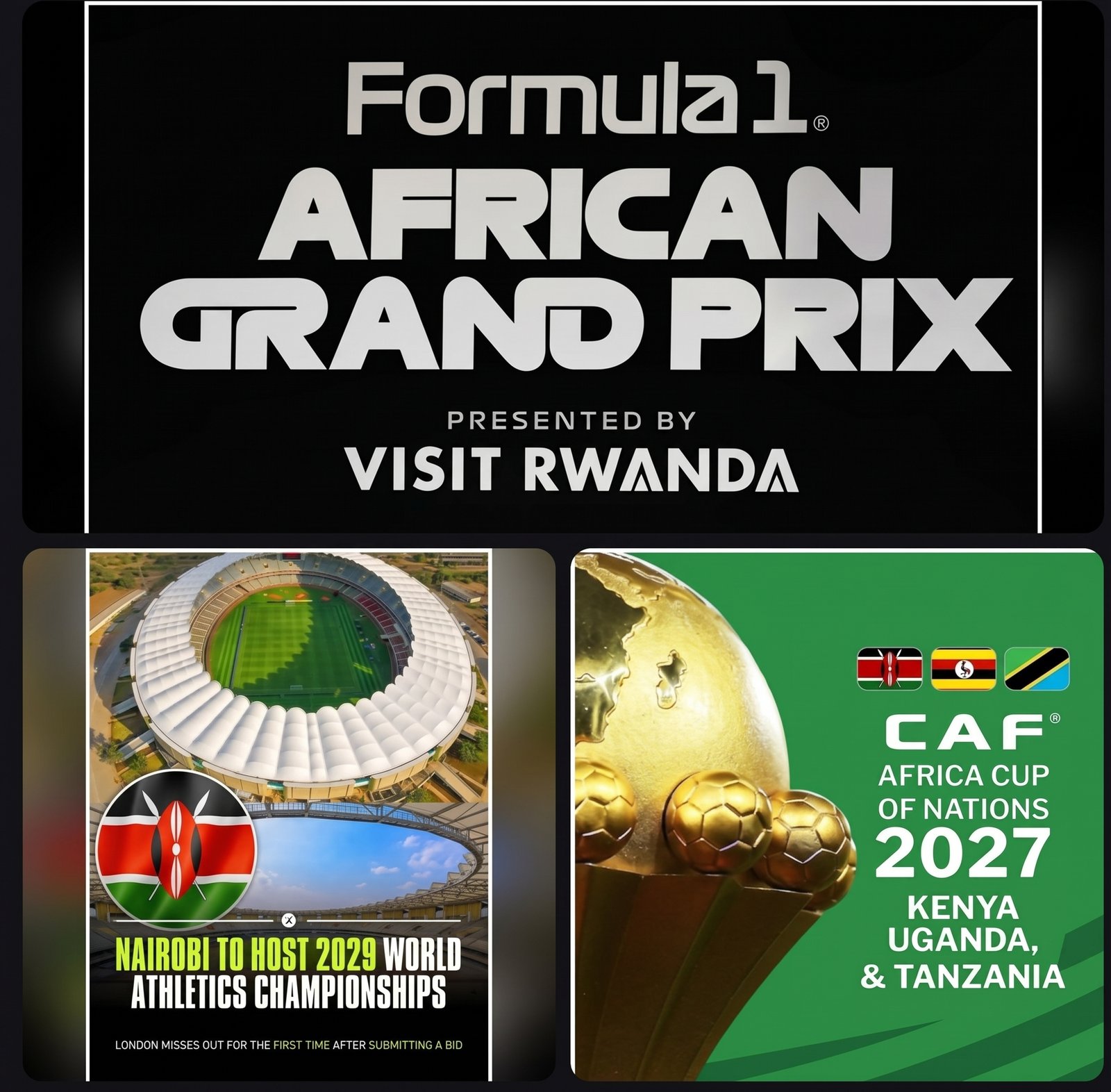
East Africa is making a bold play for the world’s attention, and football is leading the charge.
When Kenya, Uganda and Tanzania co-host the Africa Cup of Nations (AFCON) in June and July 2027, they will do more than bring Africa’s biggest football tournament back to the region for the first time in 51 years. They will have an opportunity to showcase three countries, attract international visitors, stimulate business and demonstrate that East Africa can deliver major sporting events through regional cooperation.
The tournament, branded Pamoja 2027, will be the first AFCON hosted by three countries. Its significance extends beyond the football pitch: it offers a shared platform for the three neighbours to market their tourism attractions, strengthen their international profile and turn a continental sporting spectacle into an economic opportunity.
But AFCON is only part of the story. Nairobi has secured the 2029 World Athletics Championships, which will be the first edition of the competition held on African soil. Rwanda, meanwhile, has secured a 10-year agreement to bring Formula 1 back to Africa, with the African Grand Prix planned for the early 2030s.
Taken together, these developments raise an important question: what is East Africa doing differently to win major sporting-event hosting bids, and can the region turn those victories into lasting economic gains?
The answer lies in a combination of sporting heritage, political commitment, increasingly deliberate destination marketing, regional coordination and a growing recognition that global sporting events can serve as instruments of tourism promotion, investment and soft power.
AFCON 2027: East Africa’s biggest regional opportunity
For Kenya, Uganda and Tanzania, AFCON is a chance to present East Africa as a connected destination rather than three countries competing separately for visitors.
Football brings an international audience, but the wider opportunity lies in what happens around the matches. Supporters, teams, officials, journalists, sponsors and commercial partners need accommodation, transport, restaurants, entertainment and other services. Their spending can support hotels, tour operators, airlines, small businesses, event suppliers and informal traders.
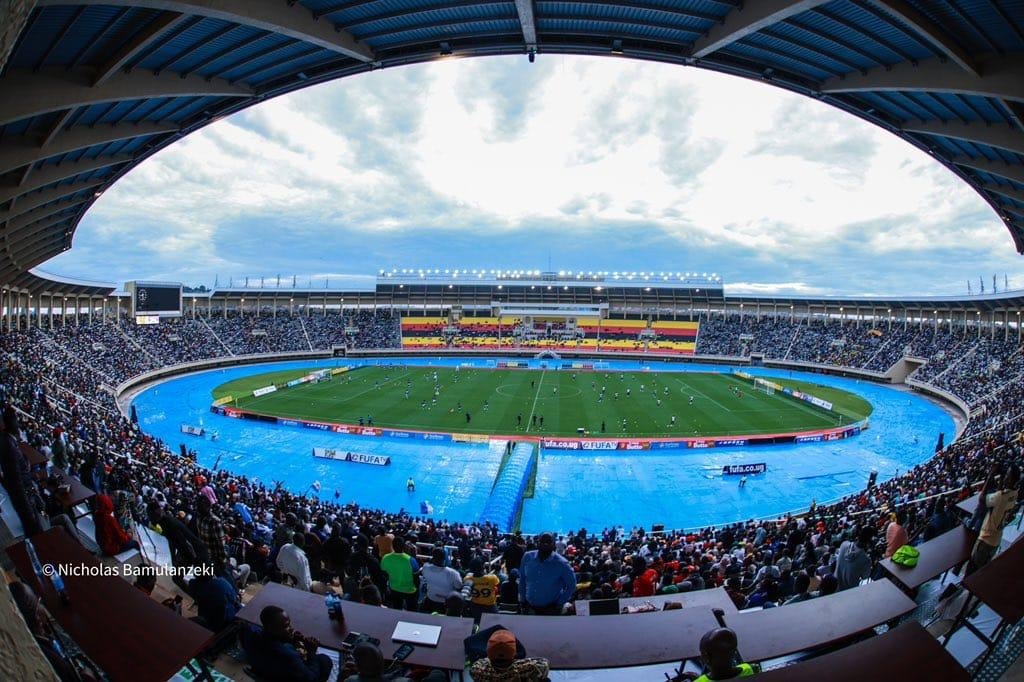
The tournament also offers an unusually powerful marketing opportunity. A supporter travelling to Kampala for a match could explore Uganda’s national parks or extend their stay to visit other attractions. Visitors attending matches in Nairobi or Dar es Salaam could be encouraged to discover the region’s wildlife, coastlines, cultural heritage and urban experiences.
The challenge is to make these connections easy and attractive. Joint tourism packages, coordinated travel information, cross-border itineraries and collaborative marketing could encourage visitors to move between the host countries rather than arrive for a match and leave immediately afterwards.
The Pamoja identity provides a natural foundation for this approach. If supported by practical cooperation, it could help position the tournament as a regional experience, with benefits extending beyond the stadiums and beyond the host cities.
There is also an infrastructure dividend. Preparations for AFCON are driving attention towards stadiums, training facilities, transport, accommodation and related services. Well-planned investment could continue serving local sports, tourism and business long after the final whistle.
The opportunity is substantial, but delivery will determine the outcome. Kenya, Uganda and Tanzania must meet tournament requirements, coordinate logistics and provide visitors with a reliable experience. The event will be judged not only by the quality of the football but also by how efficiently people move, how safely they travel and how welcoming the host cities feel.
Nairobi 2029: Kenya turns its athletics heritage into global influence
Kenya’s selection to host the 2029 World Athletics Championships adds another dimension to East Africa’s sporting ambitions.
On 15 September 2026, World Athletics announced Nairobi as the host of the 2029 championships, marking the first time the sport’s flagship outdoor competition will be staged in Africa. The decision reflects Kenya’s extraordinary athletics tradition, its established international event experience and the strength of its hosting proposal.
For Kenya, this is more than a prestigious appointment. It is an opportunity to convert a globally recognised sporting identity into a wider tourism and economic asset.
Kenyan athletes have built a formidable reputation in distance running, producing generations of Olympic and world champions. That legacy gives Nairobi a compelling story to tell international audiences: the championships will take place in a country where athletics is deeply rooted in national life and where many of the sport’s most celebrated competitors have emerged.
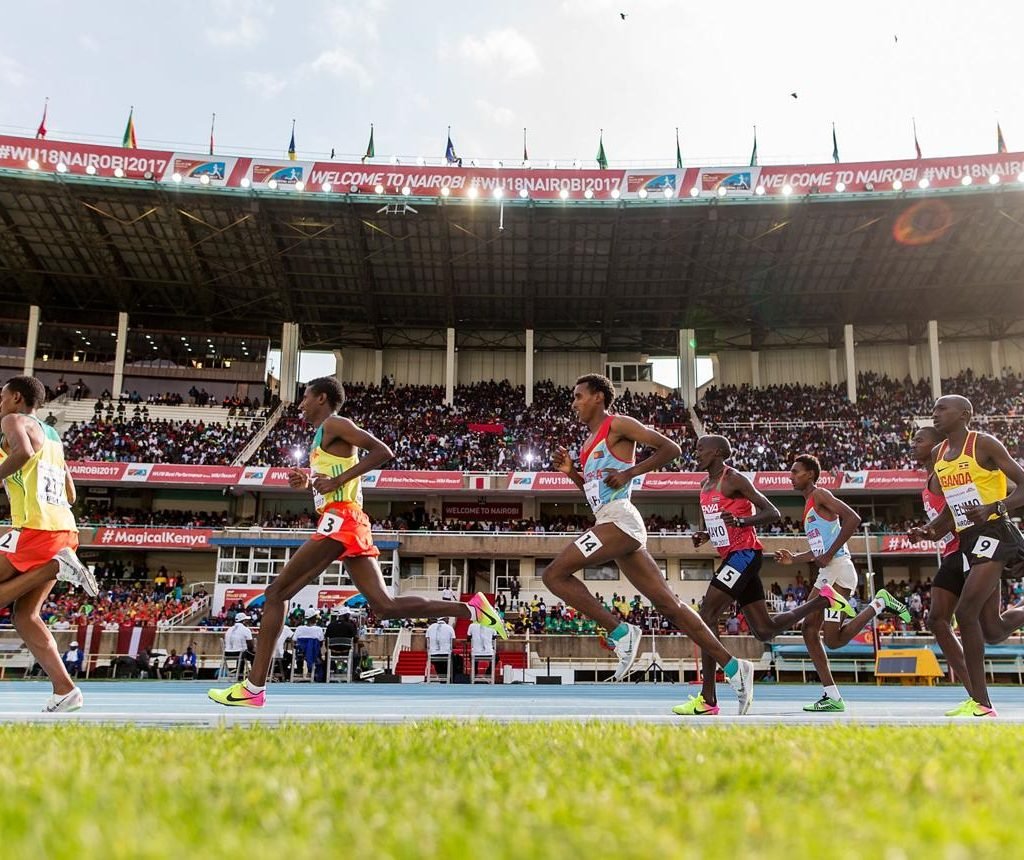
Kenya is also not starting from scratch. Nairobi has hosted the World Under-18 Athletics Championships in 2017 and the World Under-20 Championships in 2021, while the annual Kip Keino Classic has helped strengthen the city’s place on the international athletics calendar. World Athletics has identified this experience as an important part of Nairobi’s successful bid.
The 2029 event could generate demand for accommodation, transport, hospitality, media services, event management and tourism excursions. It could also strengthen Nairobi’s position as a destination for international conferences, sports business and other major events.
Just as importantly, hosting the championships in Africa could inspire a new generation of athletes and widen access to elite competition for spectators across the continent.
Preparations will require continued investment, sound financial management and coordination between government, athletics authorities and event organisers. But Kenya’s sporting heritage gives it a distinctive advantage: it can offer visitors not just a competition, but a direct connection to the people and places that have shaped world athletics.
Rwanda and Formula 1: An ambitious bid for global attention
Rwanda’s Formula 1 agreement takes the region’s ambitions into an even more commercially powerful arena.
On 13 October 2026, Formula 1 announced a 10-year agreement for a Grand Prix in Rwanda, planned for the early 2030s. The proposed African Grand Prix is expected to be held on a purpose-built circuit in the Bugesera area, south of Kigali, near an international airport under development. The circuit has not yet been built, and substantial preparation remains ahead.
The significance of the announcement is difficult to overstate. Formula 1 is one of the world’s most prominent motorsport properties, attracting international audiences, major sponsors, high-spending travellers and global media coverage. Rwanda’s planned race would mark Formula 1’s return to Africa for the first time since 1993.
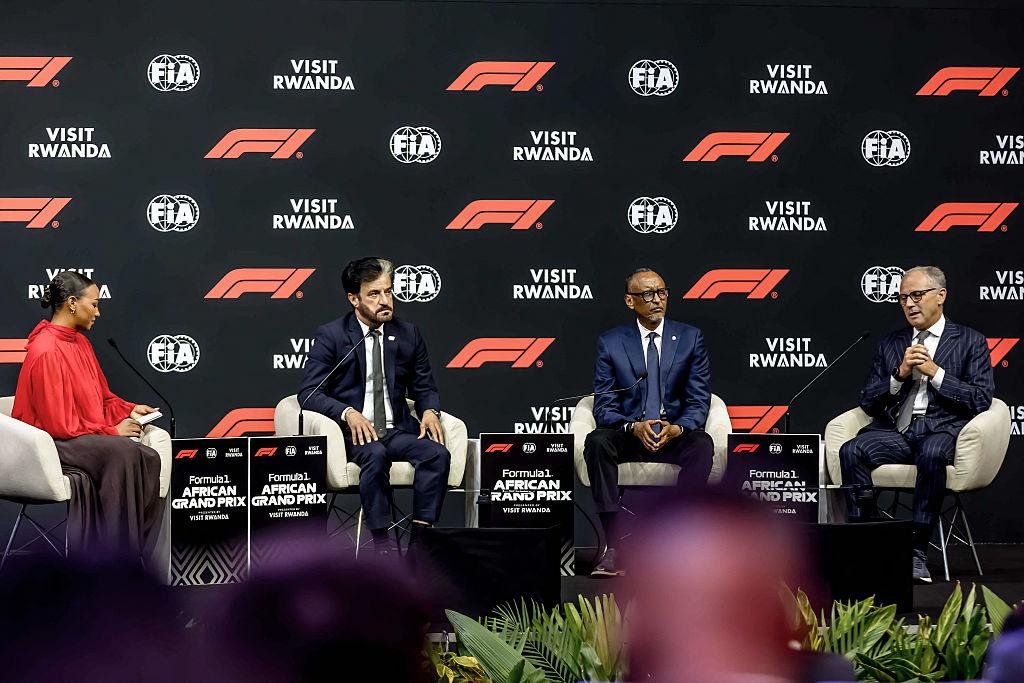
Rwanda’s strategy is built around using international events to raise its profile and connect destination branding with sport. Its Visit Rwanda campaigns have expanded the country’s visibility through partnerships and events spanning football, basketball and cycling. The country hosted the 2025 UCI Road World Championships, another significant milestone in its effort to position itself as a destination for global sporting events.
Formula 1 would take that strategy to a new level. The proposed circuit is intended to be a multipurpose venue, with the potential to host other events beyond motorsport. If the wider project is delivered sustainably, it could create opportunities in hospitality, transport, event services, tourism and related businesses.
There are important qualifications. The race is years away, construction and financing will matter, and the economic return will depend on costs, visitor spending and the long-term use of the infrastructure. An announcement is not the same as a completed project.
Nevertheless, Rwanda’s success in securing the agreement demonstrates the value of presenting a clear ambition, engaging international sporting institutions over time and linking a major event to a broader national development and destination-marketing strategy.
So, how is East Africa winning these bids?
There is no single formula, and each hosting decision has its own requirements. But several common factors help explain the region’s growing presence on the international sporting calendar.
First, political commitment is increasingly visible. Major events require more than sporting enthusiasm. They demand coordination across government departments, funding commitments, infrastructure planning, security arrangements and sustained engagement with international governing bodies. A credible bid must show that the host understands these responsibilities and is prepared to meet them.
Second, East Africa is building on genuine sporting strengths. Kenya’s record in athletics is internationally recognised. Uganda and Tanzania bring strong football followings and distinctive tourism offerings to the AFCON partnership. Rwanda has pursued a deliberate strategy of associating its destination brand with international sport. These are different advantages, but each gives organisers a reason to take the region seriously.
Third, the region is becoming more strategic about destination marketing. Hosting a major event provides exposure that ordinary advertising may struggle to replicate. Images of a packed stadium, a world-record performance or an international Grand Prix can reach audiences far beyond traditional tourism markets. The real prize is turning that attention into bookings, repeat visits, commercial partnerships and sustained interest.
Fourth, regional cooperation can strengthen the proposition. AFCON 2027 shows how countries can pool their appeal and share the responsibilities of hosting. A coordinated regional offer can present visitors with multiple destinations, experiences and reasons to stay longer. It can also encourage cooperation on travel, tourism packages and the movement of visitors across borders.
Finally, East Africa is competing in a global environment where major sporting bodies want to grow their audiences and reach new markets. Africa’s large and youthful population, passion for sport and diverse tourism attractions give the region a compelling case. Successful bids show that the region can offer more than enthusiasm: it can present a vision for how an event can serve both sport and destination development.
These factors do not guarantee success. Every bid must meet technical, financial and operational requirements, and international organisers ultimately judge whether a host can deliver. But together, they help explain why East Africa is increasingly part of conversations about where the world’s biggest sporting events should go next.
From stadiums to safaris: turning sporting attention into tourism
East Africa’s greatest advantage may be what visitors can do when the competition ends.
Few regions can combine major sporting events with such a varied tourism offer. Uganda brings mountain gorillas, wildlife, the River Nile and cultural experiences. Kenya offers wildlife safaris, beaches, vibrant cities and a world-famous athletics heritage. Tanzania combines the Serengeti and Mount Kilimanjaro with Zanzibar’s beaches and historic Stone Town. Rwanda offers gorilla trekking, landscapes, cultural attractions and a growing business-events sector.
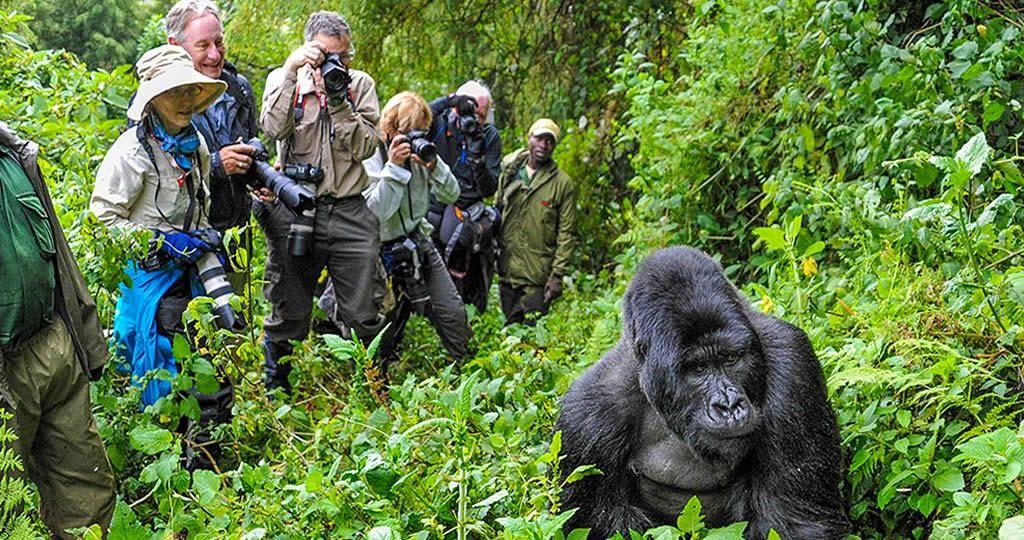
These attractions can help turn a sports trip into a longer holiday. But the link will not happen automatically. Tourism authorities, airlines, hotels, tour operators and event organisers need to build packages that make it straightforward for supporters and other visitors to extend their stays.
That means marketing more than match tickets or race weekends. It means promoting itineraries, improving access to attractions, making travel information easy to find and ensuring that visitors can move between venues, hotels and tourist sites with confidence.
It also means involving local businesses early. Small hotels, restaurants, guides, transport providers, craftspeople and cultural enterprises should have a practical route into the supply chains created by major events. If the opportunities are concentrated only among a handful of large firms, the wider economic benefits will be limited.
A successful sports tourism strategy should therefore begin well before the opening ceremony and continue long after the final event. International visibility is valuable, but converting it into visitor spending and repeat travel is what makes it commercially meaningful.
The bigger prize: jobs, investment and regional soft power
The economic benefits of major events can extend beyond tourism.
Preparing to host international competitions can accelerate improvements to transport, sports facilities, accommodation and public services. Event delivery can create demand for construction, technology, security, catering, communications, logistics and professional services. Businesses that perform well during one tournament may also become better positioned to serve future events.
There is a wider diplomatic benefit, too. Sporting events bring athletes, officials, journalists, sponsors and visitors into direct contact with the host country. They create opportunities for countries to tell their stories, build relationships and demonstrate organisational capacity.
For East Africa, the regional dimension is particularly important. AFCON can give Kenya, Uganda and Tanzania a shared international platform, while Nairobi’s World Athletics Championships can reinforce the continent’s place in global sport. Rwanda’s Formula 1 project adds another potential landmark to the region’s emerging sports portfolio.
This is a form of soft power: influence gained not only through formal diplomacy, but through culture, achievement, hospitality and the ability to attract global attention.
Yet reputation depends on execution. Well-run events can strengthen confidence among visitors, investors and international sporting bodies. Poorly managed events can damage it. The most valuable outcome is not simply a successful closing ceremony, but a stronger capacity to attract visitors and host future international activities.
The test is delivery and what remains afterwards
Winning a hosting bid is a milestone, not the finish line.
AFCON 2027 places Kenya, Uganda and Tanzania under pressure to coordinate across three national systems and deliver facilities, transport, security and visitor services to the required standard. Nairobi’s 2029 championships will demand sustained preparation, financial discipline and continued investment in its athletics infrastructure. Rwanda’s planned Formula 1 race will require years of development before the first cars can take to the circuit.
Each project must manage the risks of cost overruns, underused venues and investments that fail to generate enough economic value after an event. Infrastructure should be designed around realistic long-term needs, with credible plans for maintenance, community use and future commercial activity.
Governments and organisers also need to measure results carefully. Useful indicators include international arrivals linked to events, length of stay, tourism spending, local business participation, jobs created, venue utilisation and the cost of public investment. These measures can help distinguish genuine economic gains from temporary excitement or publicity.
The aim should not be to host events at any price. It should be to host events that leave useful facilities, stronger skills, wider business opportunities and a better visitor experience.
East Africa’s opportunity is bigger than sport
The sequence is striking: AFCON 2027, Nairobi’s World Athletics Championships in 2029 and Rwanda’s planned Formula 1 Grand Prix in the early 2030s. These events differ in scale, audience and preparation, but together they point to a region increasingly prepared to compete for international attention.
The underlying opportunity is not that East Africa has already won the race. It is that the region is building a stronger case for why global sport should come here and connecting that ambition to tourism, investment and international visibility.
AFCON could show what regional cooperation can achieve. Nairobi 2029 could establish a historic African milestone in athletics. Rwanda’s Formula 1 project could open a new chapter in the continent’s relationship with global motorsport.
If the countries involved deliver well and plan beyond the event dates, the rewards could extend to hotels, airlines, tour operators, small businesses, young professionals, athletes and communities far from the stadiums.
East Africa is no longer simply waiting to be seen by the world. Through sport, it is creating new opportunities to invite the world in.
The real victory will be measured not only in bids won, but in visitors welcomed, businesses strengthened, jobs created and a regional tourism brand that continues to grow long after the crowds have gone home.
