
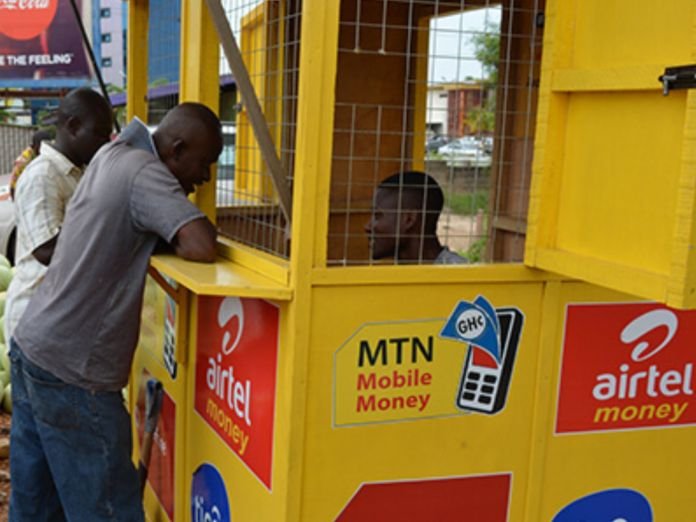
On April 14, 2026, a significant shift in Uganda’s fiscal debate unfolded in Parliament as telecom operators and policymakers confronted the future of mobile money taxation. Appearing before the Finance Committee, MTN Uganda’s Dennis Kakonge, alongside leadership from Airtel Uganda, presented a data-driven proposal calling for a revision of the current mobile money withdrawal tax. Their proposal is to reduce the tax from 0.5% to 0.25% and introduce a cap of UGX 5,000 per transaction.
This is not simply a request for tax relief from telecom companies. It is being framed as an economic intervention at a time when Uganda is preparing for the 2026/27 National Budget. The argument is that the current tax structure may have reached a point where it discourages usage, pushing people back into cash-based transactions that are less efficient and harder to track.
The proposal is built around a simple but powerful idea: the relationship between tax rates and transaction behaviour. At present, withdrawing UGX 2,000,000 attracts a tax of UGX 10,000 under the 0.5% rate. Under the proposed system, the rate would be reduced to 0.25%, but with a cap that ensures the tax does not exceed UGX 5,000 even for larger withdrawals. The telecom operators argue that while the percentage is being reduced, the overall volume of transactions would increase significantly as more people find digital transactions affordable and practical. As one analogy often used to explain this dynamic puts it: “It is like turning down the price of transport on a busy taxi route; each trip earns slightly less, but the number of passengers grows so much that the total earnings increase.”
In their view, this is a classic case of expanding the tax base rather than increasing the tax burden. If lower costs encourage users to transact more frequently through mobile money instead of reverting to cash, the government could actually collect more revenue over time despite the reduced rate per transaction. This is closely aligned with the idea that lower taxes can sometimes generate higher total revenue when economic activity increases.
For the government, the long-term benefits go beyond immediate revenue collection. A lower-cost digital transaction system would help bring more economic activity into the formal financial ecosystem. This makes it easier for the Uganda Revenue Authority to track income patterns, improve tax compliance, and reduce reliance on a growing informal economy where transactions often go unrecorded.
There is also the issue of economic efficiency. When money moves more frequently and easily through digital channels, it supports higher levels of trade and business activity. This increased financial movement can indirectly boost tax collection in other areas such as retail, services, and manufacturing, even if mobile money tax rates are lower.
For ordinary Ugandans, especially those in rural areas where banking services are limited, the issue is even more immediate. Mobile money has become the primary financial tool for daily life, from sending money to paying bills and running small businesses. However, the current tax structure adds to the cost of using these services, effectively making it more expensive to be poor and digitally dependent.
Reducing the withdrawal tax could increase disposable income for users, allowing them to retain more of their earnings. It could also encourage more people to stay within the digital financial system instead of relying on cash. This, in turn, would improve access to digital credit, savings tools, and other financial services that depend on consistent mobile money usage.
Despite these potential benefits, the proposal faces resistance. The Ministry of Finance is under pressure to finance a national budget exceeding UGX 58 trillion, and there are concerns that reducing tax rates could create short-term revenue gaps. From this perspective, mobile money taxes are seen as a stable and predictable source of income that the government may be reluctant to adjust.
There is also a policy concern that mobile money is already a dominant service with limited competition, meaning users may continue using it regardless of cost. However, this view does not fully account for behavioural shifts where users reduce activity or revert to cash for certain transactions when costs become too high, slowing the growth of the digital economy.
Ultimately, the debate reflects a broader turning point for Uganda’s digital financial system. The question is no longer just about how much revenue can be collected in the short term, but how policy can support a more inclusive, efficient, and active digital economy. Reforming mobile money tax may not only benefit telecom companies—it could shape the future of financial inclusion, transparency, and economic participation across the country.
