
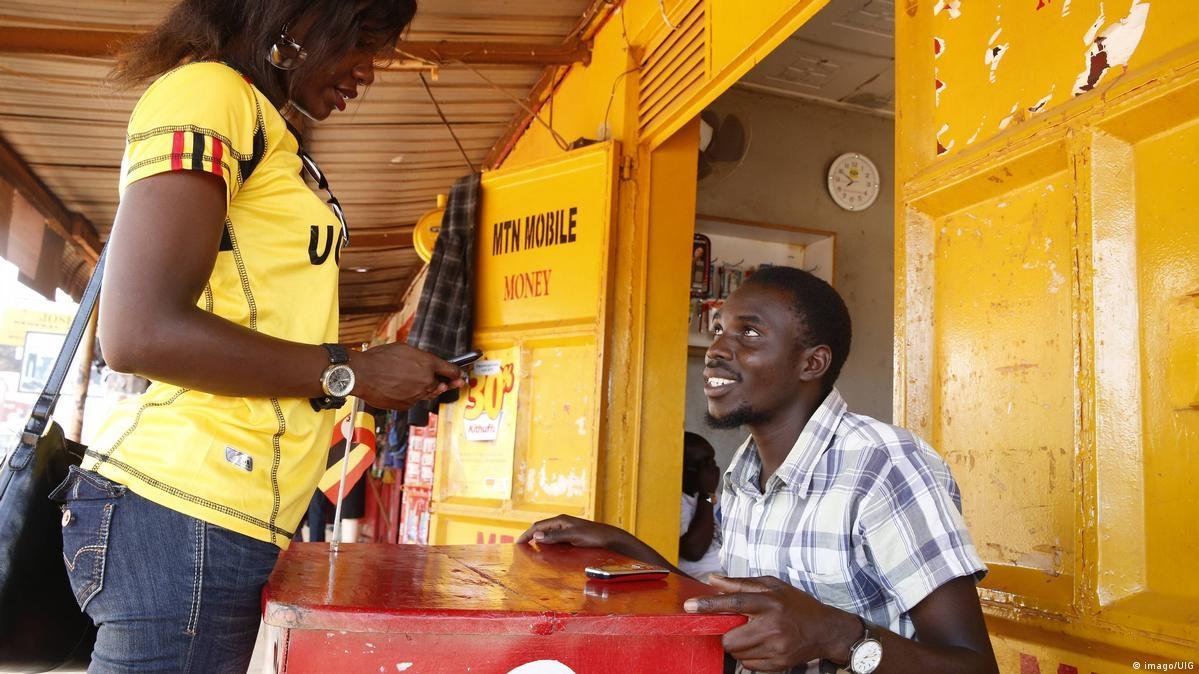
Every second, an average of UGX 13.35 million moves through Uganda’s mobile money networks. That is approximately UGX 801 million every minute, UGX 1.15 trillion every day and UGX 421 trillion over an entire financial year.
The scale of activity is captured in the Bank of Uganda’s Statistical Abstract 2026, which shows that mobile money platforms processed 9.71 billion transactions in the financial year ended June 2026, equivalent to approximately 308 transactions every second.
But the volume of money changing hands is only part of the story. The same data reveals another striking development: Uganda had 59.5 million registered mobile money customers by June 2026, a figure that exceeds the country’s estimated population of approximately 50 million.
The apparent contradiction points to how deeply mobile money has penetrated the economy, with consumers and businesses increasingly maintaining multiple accounts across telecommunications networks.
Together, the figures reveal a financial ecosystem that has expanded beyond person-to-person transfers into an extensive payment infrastructure connecting households, merchants and businesses.
The mystery of Uganda’s extra 10 million accounts
Uganda’s 59.5 million registered mobile money customers represent approximately 118% of its estimated population.
This does not mean that the country has more mobile money users than people. Rather, registered accounts and individual users are different measures, particularly in a market where consumers frequently maintain multiple SIM cards.
A customer can have an MTN MoMo account and an Airtel Money account, for instance, while both contribute to the overall number of registrations.
There are practical reasons for maintaining multiple accounts.
Mobile money users may prefer to transact within the same telecommunications network to avoid the additional charges sometimes associated with transfers between competing providers. Others maintain separate numbers for personal and business transactions, while multiple SIM cards can provide an alternative when one network experiences service interruptions.
The result is an ecosystem in which one individual can contribute more than one registration to the national total.
However, registered customers do not necessarily represent people actively using the services.
The Bank of Uganda recorded 37.8 million active mobile money customers in FY2025/26, compared with 59.5 million registered customers. The difference of 21.7 million represents registrations outside the central bank’s 90-day active customer measure.
This distinction brings the scale of actual participation into sharper focus. Approximately 63.5% of registered customers met the activity measure during the period.
Uganda’s mobile money economy, measured by the second
The growth in transaction value has been even faster than the expansion in transaction volumes.
Mobile money transactions increased from UGX 326.2 trillion in FY2024/25 to UGX 421 trillion in FY2025/26, representing annual growth of 29.1%.
Over the same period, transaction volumes increased by 16.1%, from 8.37 billion to 9.71 billion.
The difference suggests that mobile money is not simply processing more transactions; the average amount being transferred is also increasing.
The average transaction value rose from UGX 38,990 to UGX 43,358, an increase of approximately 11.2%.
Breaking down the annual figures into daily and per-second averages makes the scale easier to understand.
| Indicator | FY2024/25 | FY2025/26 | Growth |
|---|---|---|---|
| Total transaction value | UGX 326.2 trillion | UGX 421 trillion | 29.1% |
| Daily transaction value | UGX 893.7 billion | UGX 1.15 trillion | 29.1% |
| Transaction value per second | UGX 10.34 million | UGX 13.35 million | 29.1% |
| Total transactions | 8.37 billion | 9.71 billion | 16.1% |
| Transactions per second | 265 | 308 | 16.1% |
| Average transaction value | UGX 38,990 | UGX 43,358 | 11.2% |
| Registered customers | 51.1 million | 59.5 million | 16.4% |
| Active customers | 34.6 million | 37.8 million | 9.2% |
| Registered agents | 1,016,914 | 1,252,319 | 23.1% |
The calculations of daily and per-second transaction values use the full 365-day financial year and represent averages, not actual activity at every moment.
The five-year trend is equally significant. Mobile money transaction values increased from UGX 156 trillion in FY2021/22 to UGX 421 trillion in FY2025/26, an expansion of approximately 169.9%.
Transaction volumes more than doubled over the same period, rising from 4.76 billion to 9.71 billion.
This growth reflects the increasing role of mobile money in everyday financial activity, from individual transfers to payments made by households and businesses.
The 1.25-million-agent network behind the transactions
Processing approximately 308 transactions every second requires more than telecommunications infrastructure. It also depends on a physical network that allows users to convert cash into electronic money and withdraw it when needed.
By June 2026, Uganda had 1,252,319 registered mobile money agents, up from 1,016,914 in FY2024/25.
The increase of 235,405 agents represents annual growth of 23.1%.
With 37.8 million active customers, the country had approximately one registered mobile money agent for every 30 active customers.
These agents form the physical distribution network behind mobile money services. They provide cash deposits and withdrawals, allowing customers to access digital financial services through neighbourhood outlets rather than relying exclusively on commercial bank branches.
Their presence is particularly important in communities where conventional banking infrastructure is less accessible.
The network also helps explain how mobile money has become so deeply integrated into Uganda’s retail economy. A customer can receive money digitally and withdraw it from a nearby agent, while a merchant can accept payments without requiring customers to carry cash.
The growth of the agent network has therefore accompanied the expansion in both registered customers and transaction values.
How mobile money compares with traditional banking
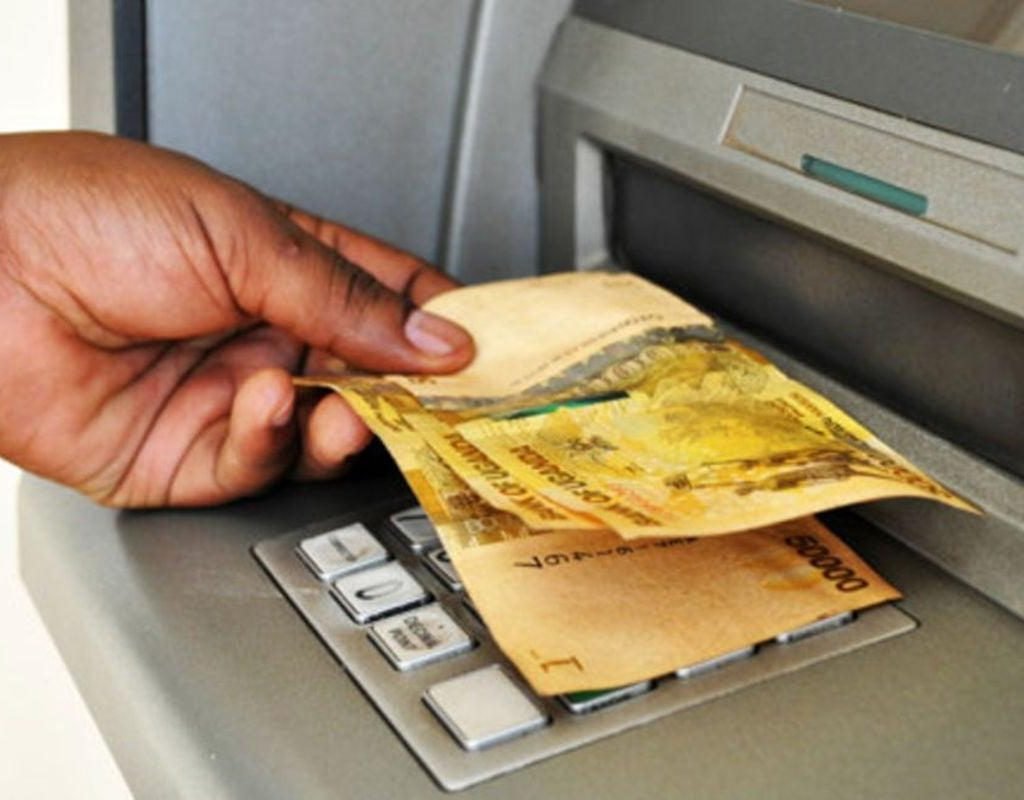
The scale of mobile money becomes more apparent when compared with other retail payment channels.
In FY2025/26, debit card transactions amounted to UGX 2.73 trillion, while point-of-sale terminals processed UGX 1.50 trillion. Credit card transactions accounted for another UGX 134 billion.
Combined, these three card-based channels processed approximately UGX 4.36 trillion, compared with UGX 421 trillion through mobile money.
Mobile money therefore processed more than 96 times the combined transaction value of debit cards, credit cards and point-of-sale terminals.
The Automated Clearing House, which processes electronic bank transfers and cheques, recorded UGX 68.3 trillion during the same financial year.
That means mobile money processed more than six times the value handled through the ACH.
However, the comparison does not mean mobile money has replaced the banking system. Commercial banks remain an important part of the infrastructure supporting electronic money.
Under Uganda’s National Payment Systems framework, electronic money issued by mobile money operators must be backed by equivalent funds held in trust accounts with commercial banks.
The Bank of Uganda recorded UGX 1.27 trillion in dedicated E-Money Trust Accounts in FY2025/26, up 27.8% from UGX 997.5 billion in the previous financial year.
These arrangements connect telecommunications-led payment platforms to the conventional banking system, even as mobile money becomes an increasingly dominant channel for everyday transactions.
The next phase of Uganda’s mobile money economy
Uganda’s mobile money expansion presents opportunities as well as growing responsibilities for regulators and financial institutions.
With 37.8 million active customers and more than 1.25 million registered agents, mobile money platforms have become critical infrastructure for the movement of money across the country.
Their reliability increasingly matters to households and businesses that depend on digital payments to receive income, settle transactions and access cash.
This makes cybersecurity, consumer protection, operational resilience and anti-money laundering compliance increasingly important as transaction volumes grow.
The distinction between registered customers and active users will also remain important when assessing the industry’s actual reach. While 59.5 million registrations demonstrate the scale of the ecosystem, the 37.8 million active customers offer a more meaningful indication of participation.
Ultimately, the UGX 13.35 million moving through mobile money networks every second tells a bigger story about how Uganda’s financial system is changing.
The country is no longer using mobile money simply as an alternative way to send cash. It has developed an extensive digital payment network, supported by millions of users and more than a million agents, that is becoming central to the way its economy conducts everyday transactions.
