
Uganda’s ambition to transform its mineral wealth into sustainable industrial growth is increasingly being shaped by a single idea: value must be created where resources are extracted, not exported in raw form.
That message resonated strongly at the Uganda Catalyst Summit 2026, where discussions centered on how African economies can strengthen local content policies and build competitive industries around their mineral resources.
A key focus of the summit was a session on “The African Model for Value Addition and Local Content in Mineral Economies,” which explored how countries across the continent are shifting away from traditional extractive models toward processing, manufacturing, and export-oriented industrial systems.
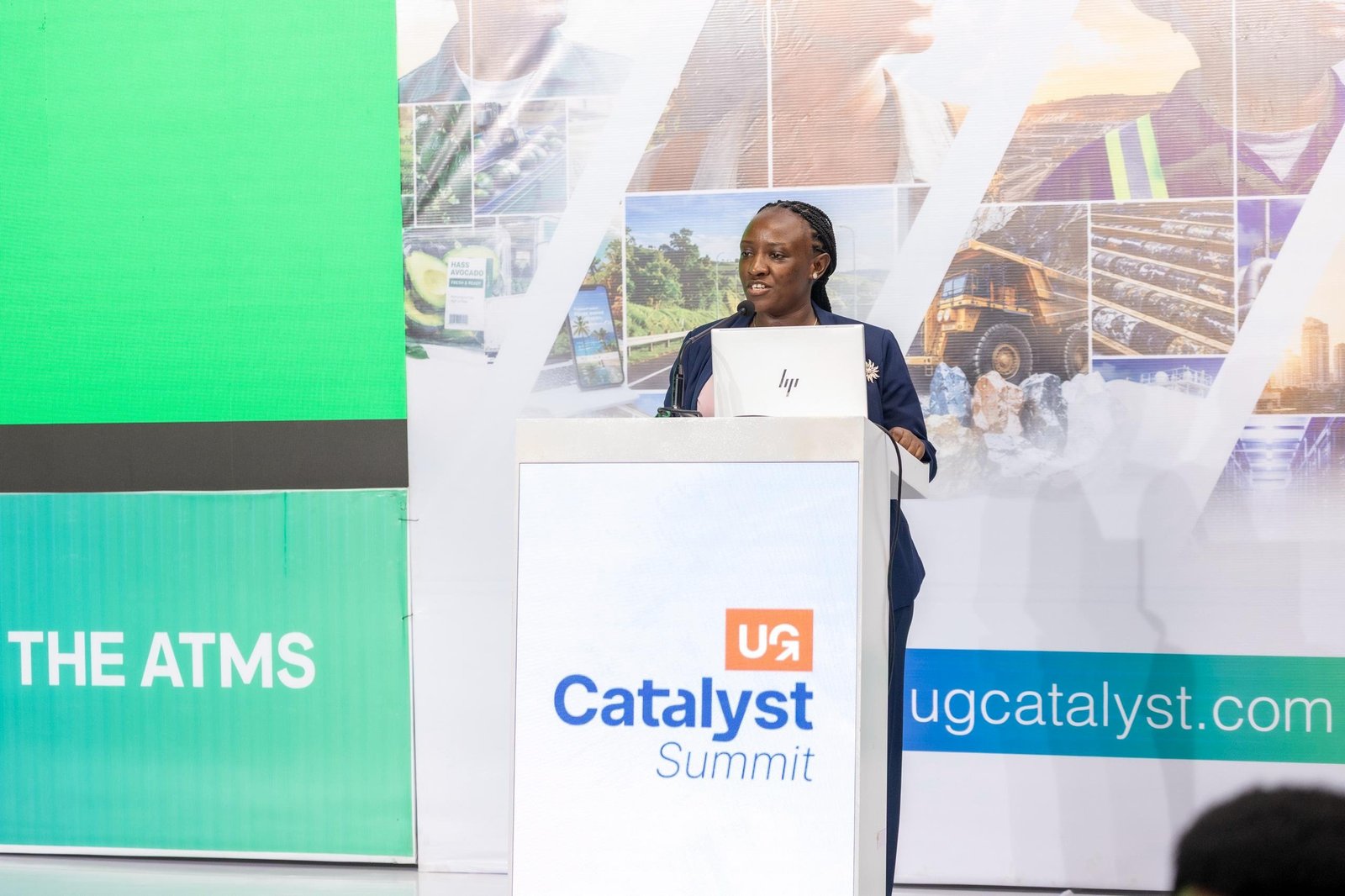
Speaking during the discussion, Daphine Nimusiima, Head of Operations at the Uganda Chamber of Energy and Minerals (UCEM), emphasized that Africa’s mineral-rich economies have a strategic opportunity to restructure their approach to natural resources in order to retain more value domestically.
She noted that countries that invest in mineral beneficiation and domestic manufacturing consistently achieve higher economic returns compared to those that rely heavily on exporting raw commodities. In her view, value addition is no longer optional but essential for long-term industrial competitiveness and economic resilience.
For Uganda, she said, the mining sector represents a critical foundation for broader industrial development. With increasing investment in mineral exploration and extraction, the next phase must focus on ensuring that these resources contribute directly to building local industries rather than leaving the country in unprocessed form.
A central theme of her presentation was the importance of strengthening local content implementation. She stressed that Uganda must move beyond policy compliance and instead treat local content as a development strategy that actively builds domestic capacity across the mining value chain.
This includes expanding opportunities for Ugandan enterprises in processing, manufacturing, engineering services, logistics, equipment supply, and other high-value segments of the mining industry. By doing so, the country can deepen industrial linkages and ensure that more economic value is retained within the domestic economy.
Nimusiima also highlighted that increased participation of local businesses would have broader economic effects beyond the mining sector itself. It would stimulate entrepreneurship, support skills development, and strengthen supply chains capable of supporting large-scale industrial operations.
Her remarks reflected a wider continental trend in which African countries are increasingly investing in domestic processing facilities and manufacturing industries to reduce reliance on raw material exports. This shift, she said, is central to improving export competitiveness and building more diversified economies.
For Uganda, aligning with this model presents an opportunity to develop industries around its significant mineral base, including gold, cobalt, tin, tungsten, and rare earth elements. Properly harnessed, these resources could drive industrial expansion and create sustainable employment opportunities.
Participants at the summit also emphasized that value addition has the potential to significantly increase government revenue, improve foreign exchange earnings, and support the growth of downstream industries linked to mining.
The discussions underscored that Uganda’s mineral wealth can only deliver maximum economic benefit if it is processed and transformed within the country rather than exported in raw form.
The summit also highlighted the growing recognition of the link between minerals and energy in Uganda’s development strategy. Reliable and affordable energy was identified as a critical requirement for scaling mineral processing and industrial manufacturing.
This connection is expected to be further explored at the 2nd Annual Energy Convention, scheduled for 24 July 2026 at the Four Points by Sheraton Kampala, under the theme “Ground Up: Powering Uganda’s Tenfold Growth Through Integrated Energy Transformation.”
The convention will bring together policymakers, investors, industry leaders, and development partners to examine practical solutions for expanding energy access, improving grid reliability, and supporting industrial growth.
Ultimately, the discussions at the Uganda Catalyst Summit pointed to a clear direction for Uganda’s economic transformation: success will depend not only on increasing mineral extraction, but on building the systems, industries, and policies that ensure those resources generate lasting value within the country.
