
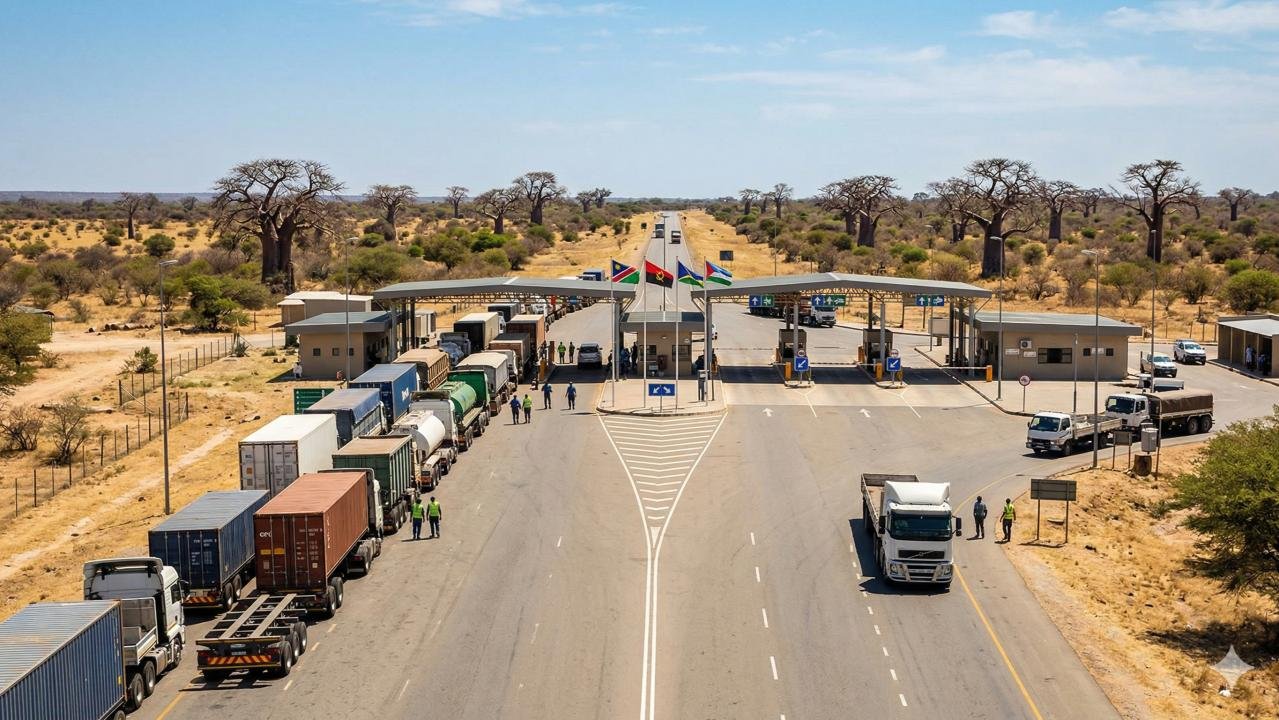
Africa is putting US$3.1 billion behind one of the most practical requirements for making its continental free trade ambitions work: modernising the customs systems through which goods cross its borders.
The African Continental Free Trade Area (AfCFTA) Secretariat has signed a 20-year concession agreement with Nigeria’s Bergmans Security Consultants and Supplies Limited to implement the AfCFTA Customs Modernisation Project across participating member states.
Under the agreement, Bergmans will mobilise financing and technical expertise through a public-private partnership model to deploy digital and physical customs infrastructure. The project is intended to make African borders more connected, reduce clearance times, strengthen revenue protection and improve the predictability of supply chains.
The importance of the investment lies in a problem businesses across Africa have faced for decades. A company might have access to preferential trade arrangements under AfCFTA, yet still face delays, repeated documentation, incompatible customs systems and lengthy border procedures when moving goods between countries.
Modernising customs therefore addresses one of the practical barriers between having a continental free trade agreement and having a continental market that businesses are able to use efficiently.
The project will introduce electronic customs solutions, secure exchange of customs information, electronic cargo tracking, modern transit systems and coordinated border management. It will also support One Stop Border Posts, non-intrusive inspection technology, integrated data centres, multilingual customs portals, risk management and data analytics.
For manufacturers and exporters, the potential business benefit is significant. A shipment delayed at a border ties up working capital, disrupts production schedules and increases transport costs. More predictable clearance procedures allow businesses to plan inventories, deliveries and contracts with greater certainty.
Transport companies also stand to benefit from electronic cargo tracking and improved transit systems. Governments, meanwhile, have an interest in strengthening customs controls because inefficient systems create opportunities for revenue leakage and weak oversight. The project is therefore about more than replacing paper forms with computers. Its larger objective is interoperability.
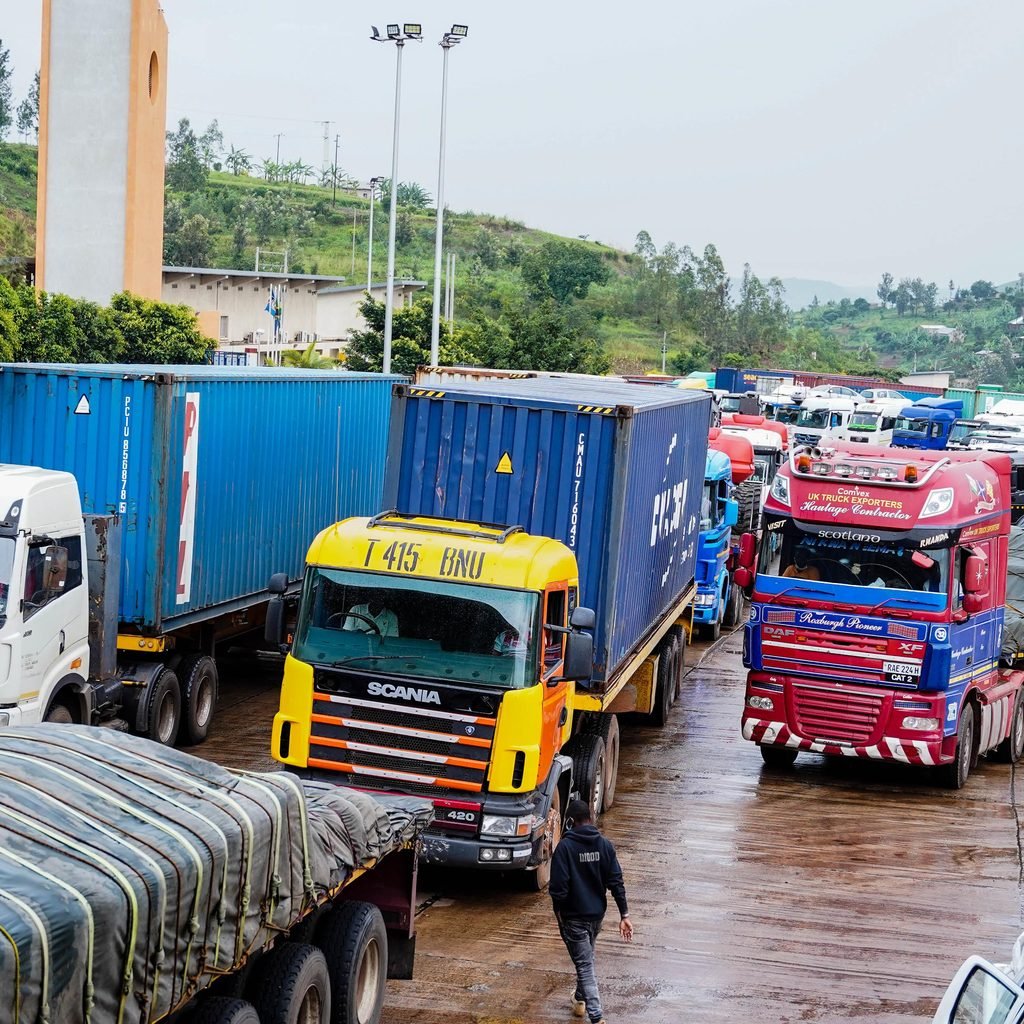
African countries have developed their customs systems under different national laws, administrative structures and technology platforms. Connecting these systems requires common procedures and secure channels for exchanging information while respecting national regulatory requirements.
The AfCFTA Secretariat says implementation arrangements will be developed in consultation with participating states, national customs administrations and other stakeholders. This will be important because the success of a continental customs platform depends on adoption at national borders. The investment also fits into a wider push to build digital infrastructure for African trade.
In July, the AfCFTA Secretariat and ADI Foundation announced a separate partnership to develop African-owned digital trade infrastructure. The initiative targets fragmented digital systems, trade documentation and cross-border payments, with pilot corridors expected from late 2026 and expansion towards continental coverage by 2030. Together, the initiatives point towards a broader change in how African trade infrastructure is being approached. Customs, documentation, payments and business identification increasingly need to work across borders rather than within isolated national systems.
The economic stakes are large. AfCFTA brings together the 55 African Union member states into a single market of about 1.4 billion people, with combined GDP estimated at approximately US$3.4 trillion.
Yet the size of the market alone does not guarantee greater trade between African countries. Businesses still need efficient logistics, accessible finance, reliable infrastructure and border procedures that allow goods to move at reasonable cost. That is where the customs modernisation project becomes important.
For Uganda and other East African economies, improvements in customs interoperability could have implications for regional supply chains. Exporters moving agricultural products, manufactured goods and other commodities through multiple borders stand to benefit from more predictable transit procedures.
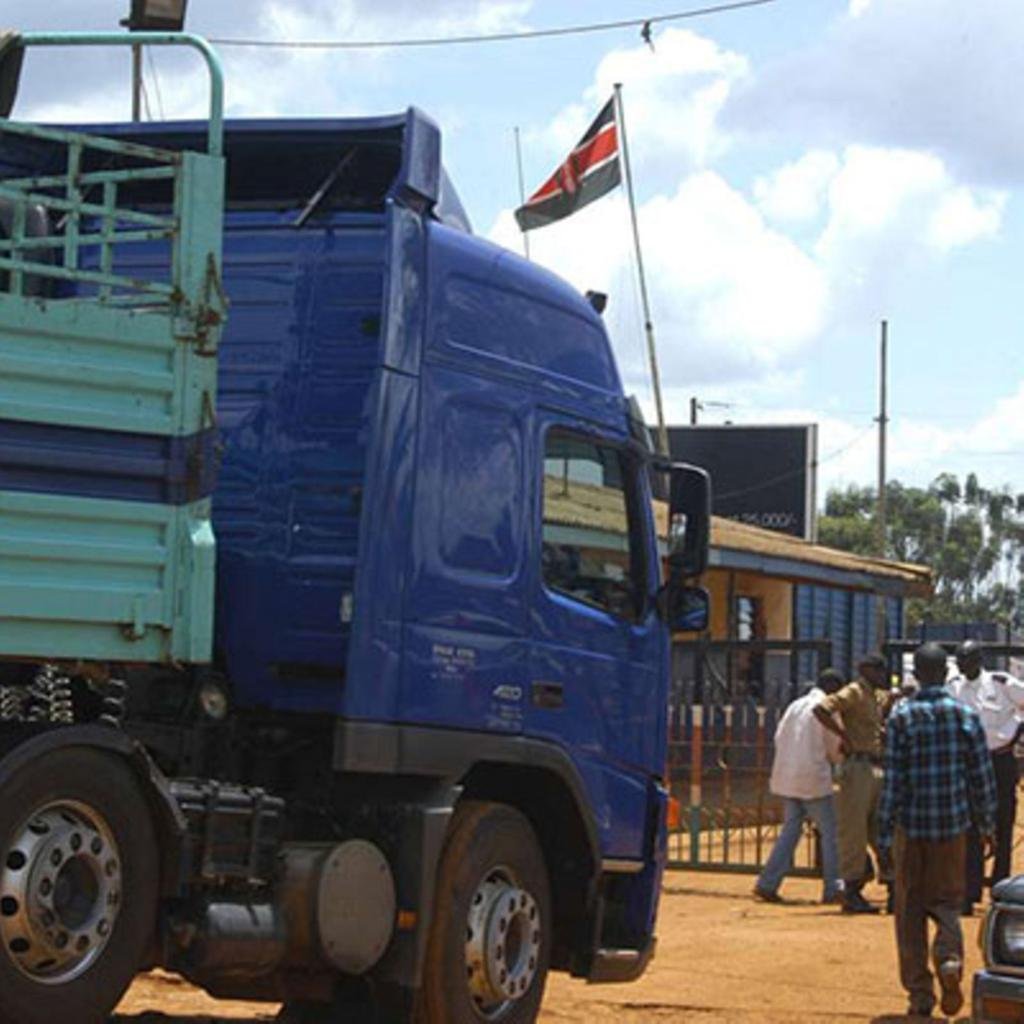
The project also creates a market for companies involved in customs technology, cybersecurity, data infrastructure, logistics technology, equipment supply and technical training.
There are, nevertheless, practical questions around implementation. A 20-year concession involving multiple countries requires coordination between the continental institution, national governments, customs agencies and private-sector operators. Data security, interoperability, national regulatory requirements and the capacity of customs officials will all influence the project’s performance.
The first measure of success will therefore be practical rather than political. Businesses will want to know whether trucks spend less time at borders. Governments will want to know whether customs revenue is better protected. Exporters will want fewer administrative hurdles. Transporters will want more predictable transit times.
If the project delivers on those measures, the US$3.1 billion investment will have addressed one of the biggest gaps between Africa’s free trade ambitions and the daily experience of doing business across African borders.
The AfCFTA has already created the framework for a continental market. The customs modernisation project is an attempt to build some of the infrastructure required to make that market function.
