
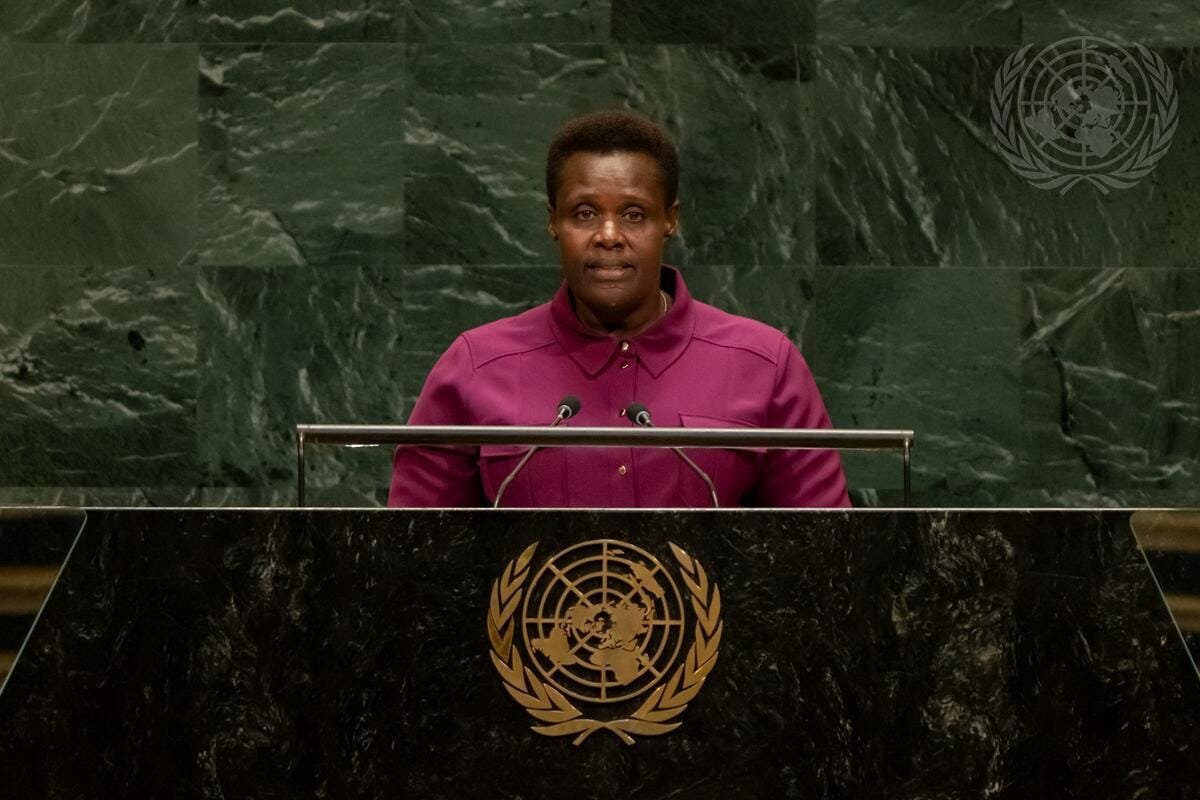
Uganda has used the 81st United Nations General Assembly to push for changes to the international financial system, arguing that rising debt costs and limited fiscal space are making it increasingly difficult for developing countries to finance infrastructure, public services and the Sustainable Development Goals.
Vice President Jessica Alupo delivered the message on behalf of President Yoweri Museveni in New York on Thursday, calling for reforms to the global financial architecture alongside wider changes to the United Nations system.
Her intervention comes as Uganda itself faces a rapidly expanding public debt burden. Government data show that Uganda’s public debt reached Shs143.92 trillion, or US$37.12 billion, by the end of June 2026, up from Shs125.23 trillion a year earlier. The debt-to-GDP ratio rose from 51.3 percent to 54.3 percent during the same period.
Domestic borrowing accounted for the largest part of the increase. Domestic debt reached Shs80.72 trillion, representing 56.1 percent of total public debt, while external debt stood at about Shs63.20 trillion. Alupo argued that the pressure facing Uganda is part of a wider problem affecting developing economies.
She said governments are being forced to direct substantial portions of their revenues towards debt servicing, leaving less fiscal space for infrastructure, healthcare, education and other development priorities. The argument reflects a broader concern across developing countries that higher borrowing costs, weaker currencies and rising debt stocks can reduce governments’ ability to invest even when the need for development spending remains high.
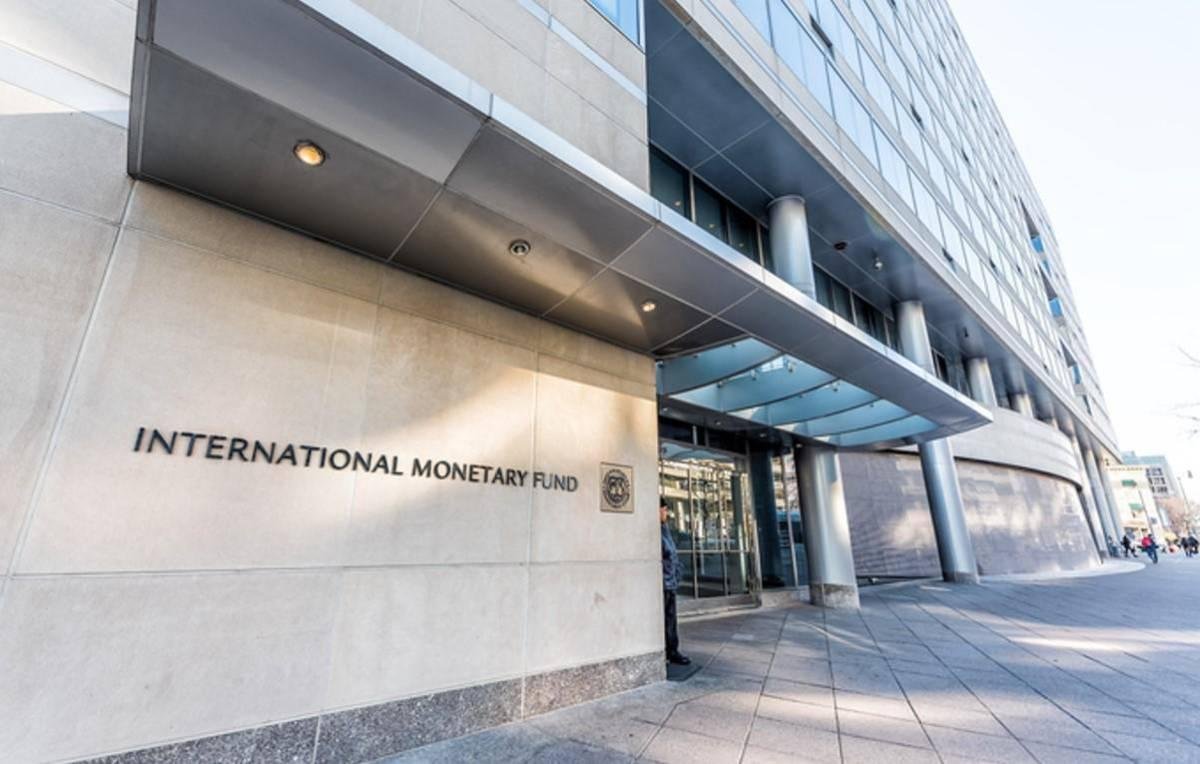
Uganda therefore called for reforms to the international financial architecture, particularly the institutions that shape global lending and economic policy. Alupo said developing countries should have a stronger voice in decision-making within institutions such as the International Monetary Fund and World Bank. Uganda’s position is that the governance of global financial institutions should better reflect the economic interests and circumstances of developing countries.
The issue is not limited to Uganda. The IMF and World Bank approved changes this week to their joint debt sustainability framework for low-income countries. The reforms are intended to improve assessments of debt risks by giving greater consideration to domestic debt, long-term development challenges and climate-related pressures. The revised framework is expected to become operational in the second half of 2027.
That timing gives greater relevance to Uganda’s argument. The country’s debt profile has changed considerably, with domestic borrowing now accounting for more than half of total public debt. The cost of that borrowing is also becoming a concern for economic policy. Domestic debt service rose to Shs18 trillion in the financial year ended June 2026, according to the Ministry of Finance. At the same time, government borrowing from the domestic market has contributed to competition for funds with private-sector borrowers.
Bank of Uganda Governor Michael Atingi-Ego has previously linked high lending rates partly to heavy government borrowing, arguing that government demand for domestic financing can reduce the funds available to businesses and individuals.
This creates a difficult policy balance. Governments need borrowing to finance infrastructure and other long-term investments, but excessive or expensive borrowing can reduce the fiscal space available for other priorities and increase financing costs for the private sector.
Uganda also used the UN platform to highlight domestic resource mobilisation as part of the solution. Alupo backed ongoing negotiations for a UN Framework Convention on International Tax Cooperation, arguing that stronger international tax rules could help countries address illicit financial flows and profit shifting by multinational companies.
For developing countries, the issue is important because increasing domestic revenue can reduce reliance on borrowing while providing governments with more predictable resources for development.
Uganda also endorsed implementation of the Pact for the Future, adopted by UN member states in 2024. Alupo highlighted its 56 actions and called for stronger implementation, particularly in areas covering development financing, peace and security, science and technology and youth empowerment. The financial debate is also linked to Uganda’s broader call for reform of the UN Security Council. Kampala argues that greater representation of Africa and other developing regions in global decision-making should extend beyond political institutions to the economic institutions that influence development financing.
The argument is increasingly relevant as developing countries confront competing demands: financing infrastructure and climate adaptation, servicing existing debt, maintaining essential public services and creating jobs for growing populations.
For Uganda, the debate is particularly concrete. The country is simultaneously seeking additional development financing while trying to improve the implementation of loans already contracted. Uganda and the World Bank recently agreed that proposed development projects should pass through the Public Investment Management System before consideration for financing, partly to improve project preparation and the absorption of available funds.
Meanwhile, the country’s public debt continues to grow, making the cost and quality of borrowing increasingly important to fiscal policy. Alupo’s UNGA address therefore places Uganda within a broader debate over how developing countries can finance growth without allowing debt servicing to consume resources needed for development.
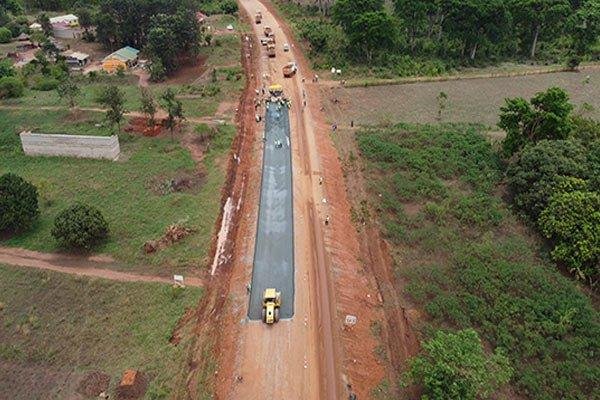
The immediate question is not whether borrowing should end. Developing economies require long-term capital to build infrastructure and expand productive capacity. The question is whether the global financial system can provide that capital on terms that leave governments sufficient room to invest, manage economic shocks and meet their development commitments. That is the structural reform agenda Uganda has taken to the UN this year, at a time when its own debt figures make the issue increasingly difficult to separate from domestic economic policy.
