
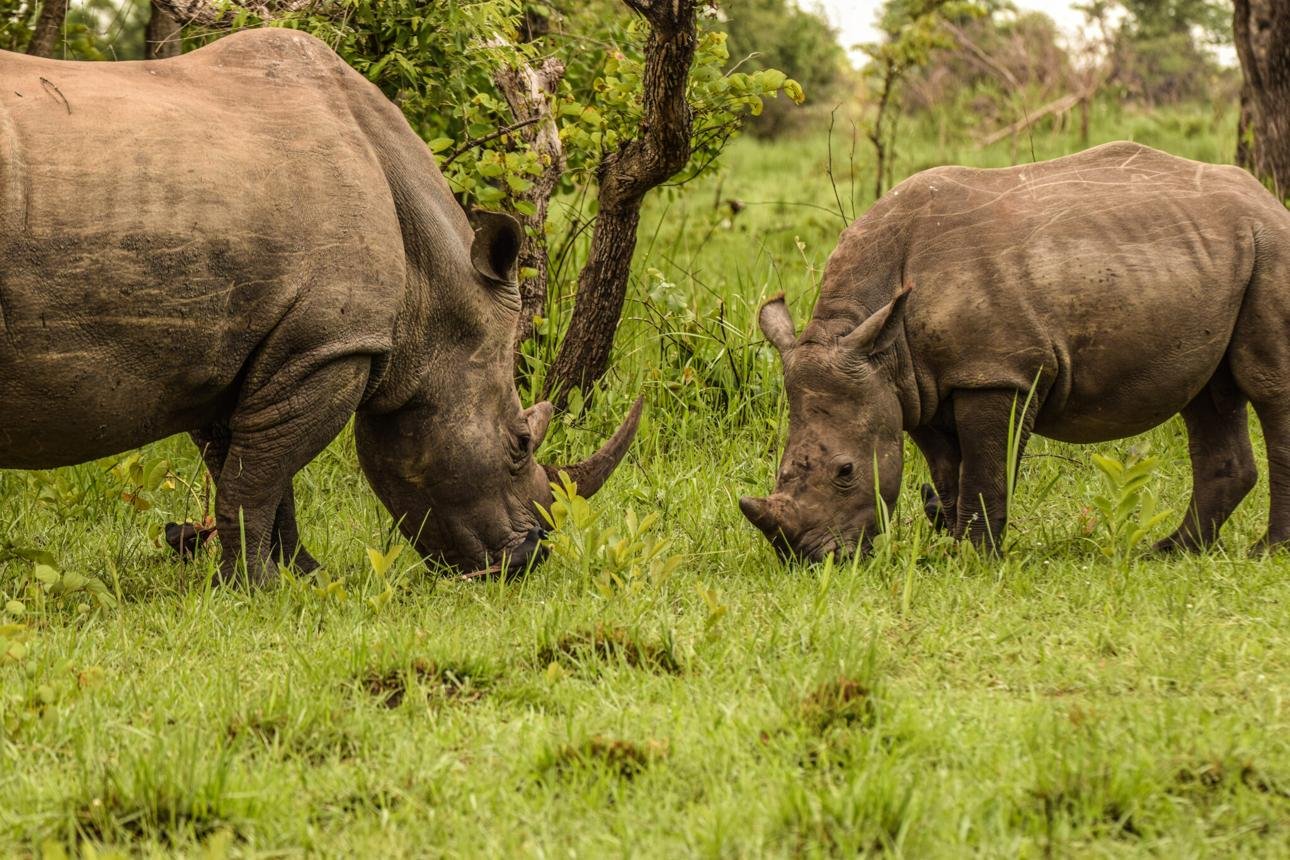
Uganda’s efforts to restore rhinos to landscapes where they once roamed are taking on fresh significance as the world marks World Rhino Day today, September 22. The annual observance highlights the survival of the world’s five remaining rhino species and the conservation efforts aimed at protecting them from poaching, habitat loss and other threats.
For Uganda, the day comes at a time when the country is recording tangible progress in rebuilding its rhino population after the species disappeared from the wild decades ago. According to the International Rhino Foundation’s 2026 State of the Rhino report, the global rhino population stands at approximately 26,700. Four of the five surviving species are threatened with extinction, while the Javan and Sumatran rhinos face particularly serious population pressures.
The global picture remains mixed. Black rhino numbers increased from 6,195 in 2022 to 6,788 by the end of 2024, while greater one-horned rhinos reached an estimated 4,075. White rhino numbers, however, declined from 17,464 in 2023 to 15,752 in 2024, with poaching contributing significantly to losses in South Africa.
Africa remains central to the global conservation effort, particularly because it hosts most of the world’s remaining black and white rhinos. The illegal wildlife trade continues to place pressure on populations, with rhino horns remaining a target for criminal networks despite having no scientifically established medicinal value.
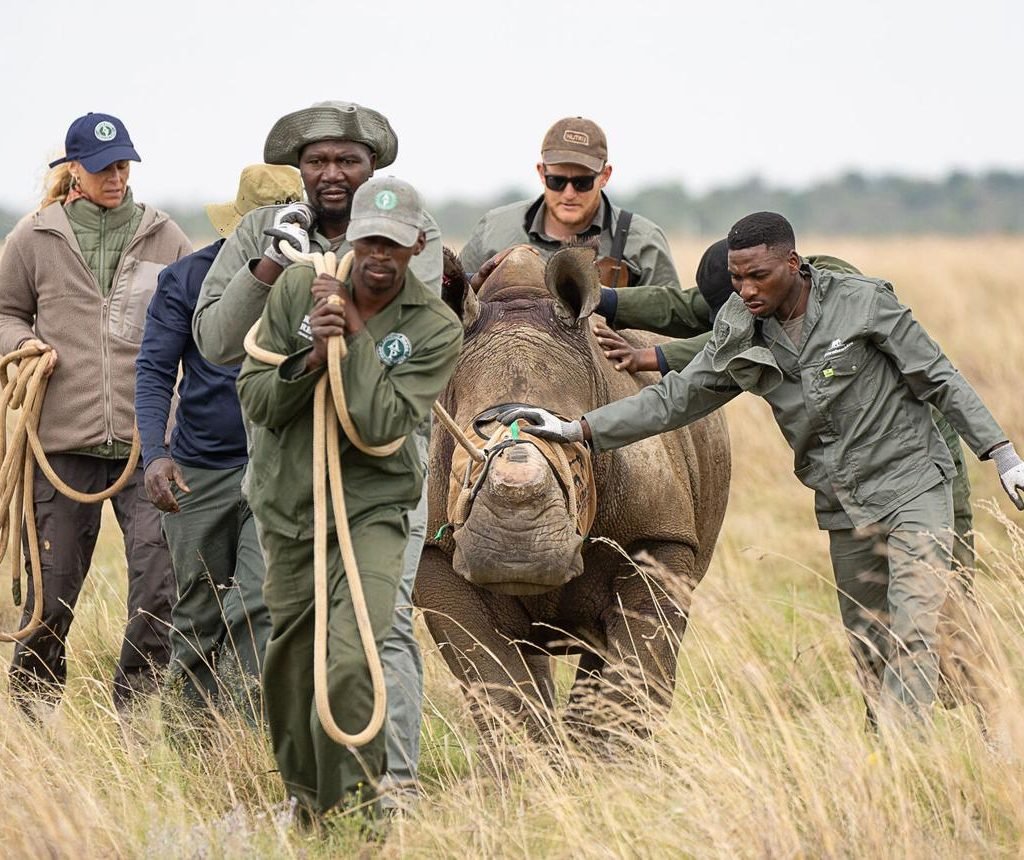
Uganda’s experience illustrates both the scale of the challenge and what long-term conservation programmes can achieve. The country currently has 61 southern white rhinos, according to Uganda Wildlife Authority’s 2026 State of Wildlife Resources report. Of these, 53 are at Ziwa Rhino Sanctuary, four at Ajai Wildlife Reserve, two at Kidepo Valley National Park and two at the Uganda Wildlife Conservation and Education Centre.
The population has grown from a small founding group established through Uganda’s rhino breeding programme at Ziwa. The country also received eight additional southern white rhinos from South Africa in December 2025, strengthening efforts to expand the national population and restore the species to suitable habitats.
This year, Uganda took another significant step by returning rhinos to Kidepo Valley National Park, 43 years after the species disappeared from the area. Uganda Wildlife Authority began the reintroduction in March, transferring two rhinos from Ziwa as the first phase of a planned movement of eight animals to Kidepo. The animals were placed in a secure sanctuary within the park for monitoring and veterinary care as they adapt to the environment.
The return is particularly significant because rhinos were once part of Kidepo’s wildlife landscape before poaching and insecurity drove them out. The last rhino in the park was killed in 1983. Uganda has also expanded its restoration programme in northern Uganda through Ajai Wildlife Reserve. In January, four southern white rhinos were moved from Ziwa to Ajai in the first domestic rhino translocation between protected areas. The programme is intended to establish a breeding population and gradually restore rhinos to parts of their historical range.
Beyond conservation, the recovery has implications for Uganda’s tourism sector. Rhinos are among the wildlife species that contribute to the diversity of safari experiences available to visitors. Expanding their range to protected areas such as Kidepo and Ajai could strengthen the tourism value of these destinations while creating opportunities for communities around conservation areas to benefit from wildlife-related economic activity.
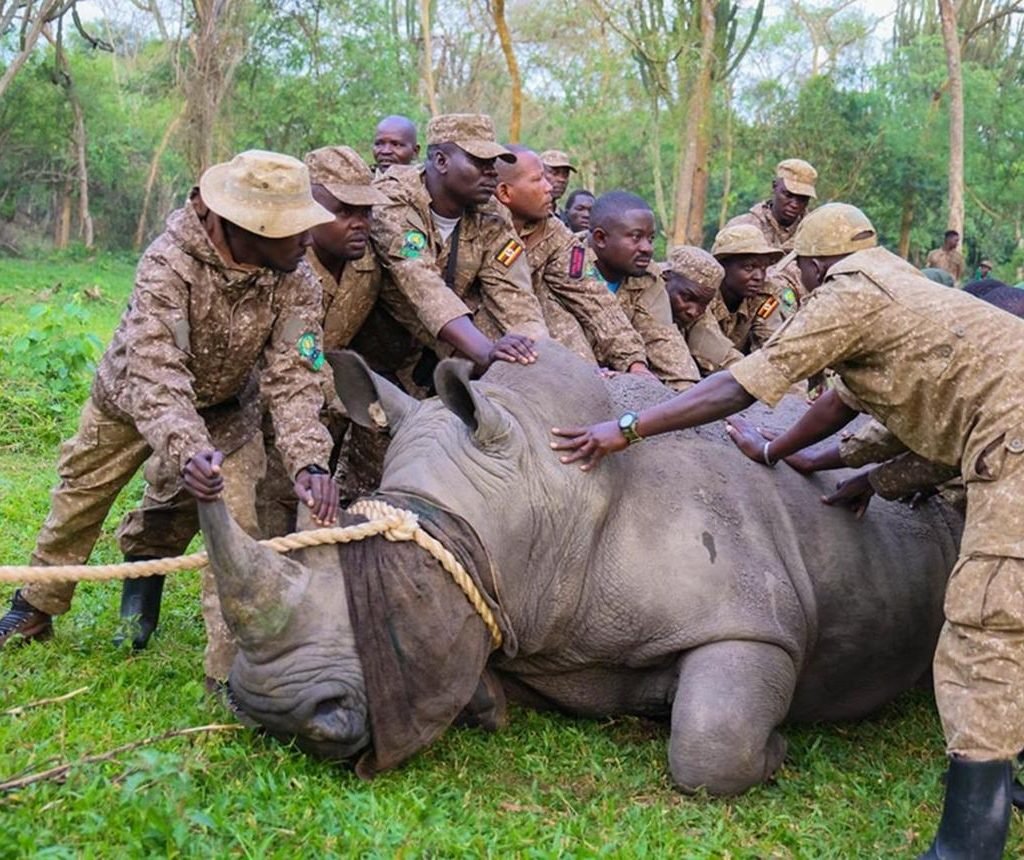
The reintroduction programme also reduces the concentration of the national rhino population in a single location. Establishing populations in several protected areas can provide greater geographic distribution while supporting Uganda’s wider species recovery strategy.
However, conservation gains remain dependent on continued protection. Rhino populations require secure habitats, effective monitoring, veterinary support and cooperation between wildlife authorities, conservation organisations and communities living around protected areas. World Rhino Day therefore offers more than a moment to celebrate the species. It draws attention to the continuing work required to keep rhinos in the wild and ensure that populations recovering today can survive for generations.
For Uganda, the country’s growing rhino population and return of the species to Kidepo and Ajai demonstrate a conservation story that is still being written. With the global rhino population remaining below 27,000, the progress in Uganda also highlights the importance of sustained investment in wildlife protection, habitat management, and responsible tourism. As the world marks World Rhino Day, Uganda’s experience shows that restoring a species lost from the wild is possible, but maintaining that recovery requires long-term protection and commitment.
