
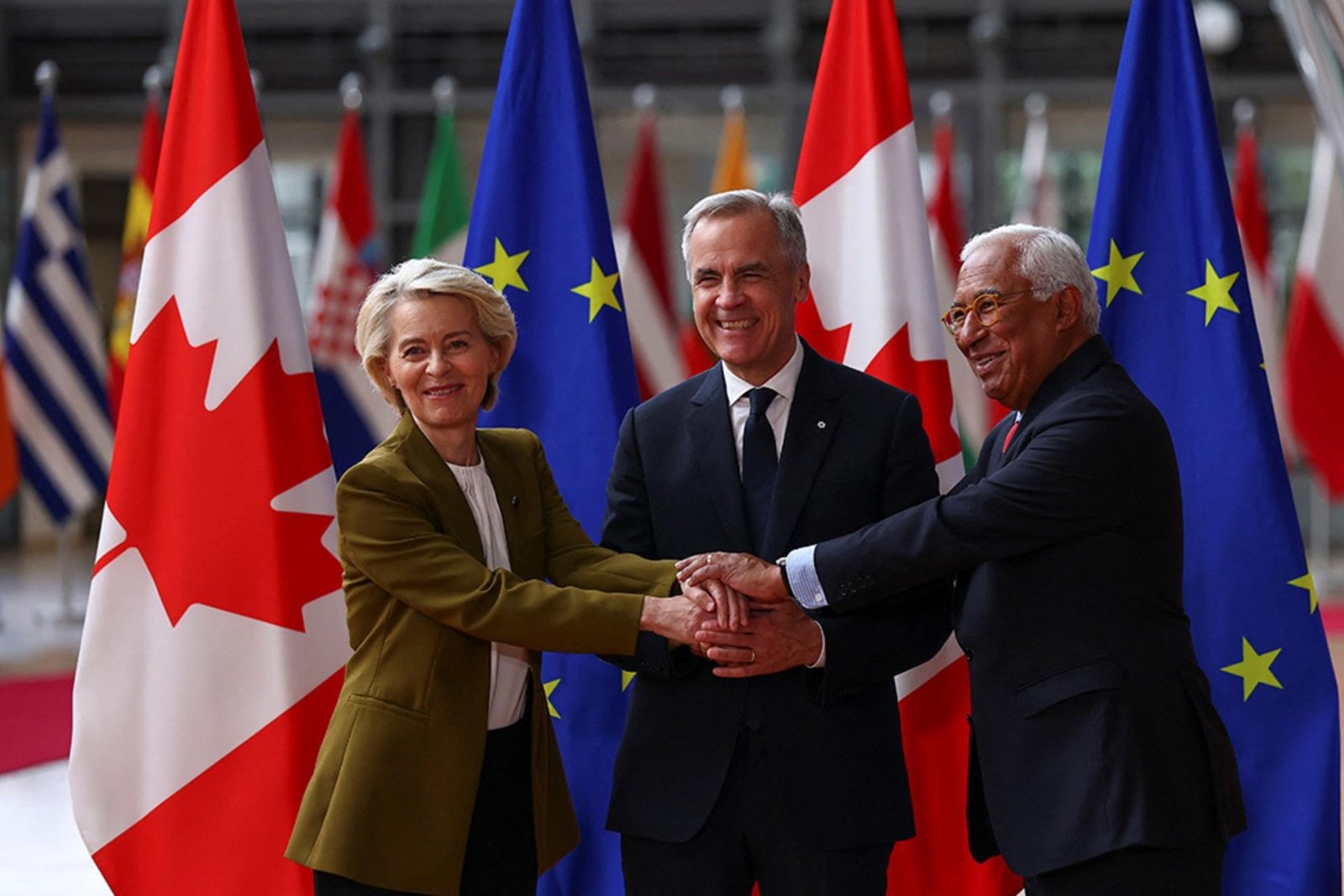
Canada is accelerating efforts to diversify its trade and investment relationships as uncertainty in its relationship with the United States pushes Ottawa to deepen economic ties with Europe and other international partners.
The shift has been particularly visible in recent engagements by Prime Minister Mark Carney and Finance Minister François-Philippe Champagne, who have been promoting closer cooperation with the European Union and the United Kingdom in areas ranging from trade and investment to critical minerals, energy and technology.
Carney’s recent visit to France and the United Kingdom included discussions on a deeper Canada-Europe partnership, with Canada and the EU exploring cooperation beyond their existing Comprehensive Economic and Trade Agreement.
The proposed partnership would cover strategic sectors including critical minerals, defence manufacturing, artificial intelligence, energy security, space and financial services. Canada has also expressed interest in deeper digital trade and research cooperation with Europe. Champagne has been pursuing a similar agenda from the finance and investment side.
At the G20 Finance Ministers and Central Bank Governors meeting in the United States earlier this month, Champagne held discussions with representatives from the EU, France, Germany, Ireland, Poland, the UK and other economies on expanding trade and investment opportunities. Canada has identified critical minerals, energy and agriculture among the sectors where it can deepen international commercial partnerships.
The push reflects Canada’s heavy exposure to the US market. With trade tensions between the two neighbours creating additional uncertainty for businesses, Ottawa has been seeking alternative markets and stronger relationships with other major economies. Champagne has described Canada as an increasingly trusted transatlantic partner and has promoted cooperation with other middle powers as global trade becomes more fragmented.
For businesses, the significance extends beyond diplomatic relations. Canada is seeking markets for its energy and mineral resources while European economies are looking for secure supplies of critical raw materials needed for batteries, electric vehicles, digital technologies and other industries.
Carney has highlighted Canada’s deposits of more than 34 critical minerals and its position as a producer of several minerals considered important to the global energy transition. Canada and Europe are therefore exploring ways to connect Canadian resources with European processing and manufacturing capabilities.
The development could also create openings for other resource-rich economies as major markets increasingly seek to diversify their suppliers. For African countries, this presents a potential opportunity in sectors where the continent has significant production capacity or natural resources, including minerals, agricultural commodities and renewable energy.
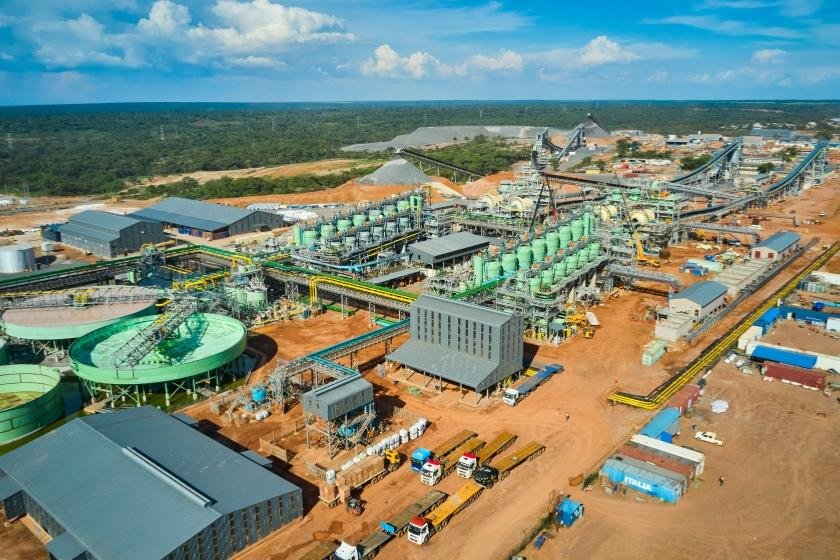
However, attracting a larger share of this trade will depend on more than resource availability. African exporters need reliable transport infrastructure, predictable regulation, competitive production costs and the ability to meet international quality and environmental standards.
The African Continental Free Trade Area could also become increasingly important as countries seek to participate in changing global supply chains. A larger integrated African market allows producers to process and trade more within the continent before exporting finished or semi-processed products to markets such as Europe and North America.
For Uganda, the implications are particularly relevant to agriculture, minerals and emerging energy-related opportunities. The country is seeking to expand value addition in sectors such as coffee, cocoa, dairy and other agricultural products while developing its oil and mineral resources.
Greater demand from diversified global supply chains could create opportunities for Ugandan producers, but capturing those opportunities would require stronger processing capacity and export infrastructure. The shift in global trade also carries a warning for businesses that depend heavily on a single foreign market.
Companies that rely on one export destination, one supplier or one international shipping route can become vulnerable when tariffs, geopolitical tensions or disruptions suddenly alter the cost or availability of trade. Diversifying customers and suppliers can therefore become part of corporate risk management rather than simply an expansion strategy.
Canada’s current approach illustrates that trend at the national level. Ottawa is not abandoning its relationship with the United States. Instead, it is seeking additional economic partnerships that can give Canadian businesses more options and reduce the risks associated with excessive dependence on one market. That approach is increasingly relevant to companies and governments facing a more uncertain global trading environment.
As Canada strengthens its links with Europe, the UK and other partners, the competition for reliable suppliers, investment and strategic resources is likely to intensify. For African economies, the opportunity will depend on whether they can move beyond exporting raw materials and position themselves as reliable participants in the increasingly diversified global supply chains being built around energy, minerals, agriculture and technology.
