
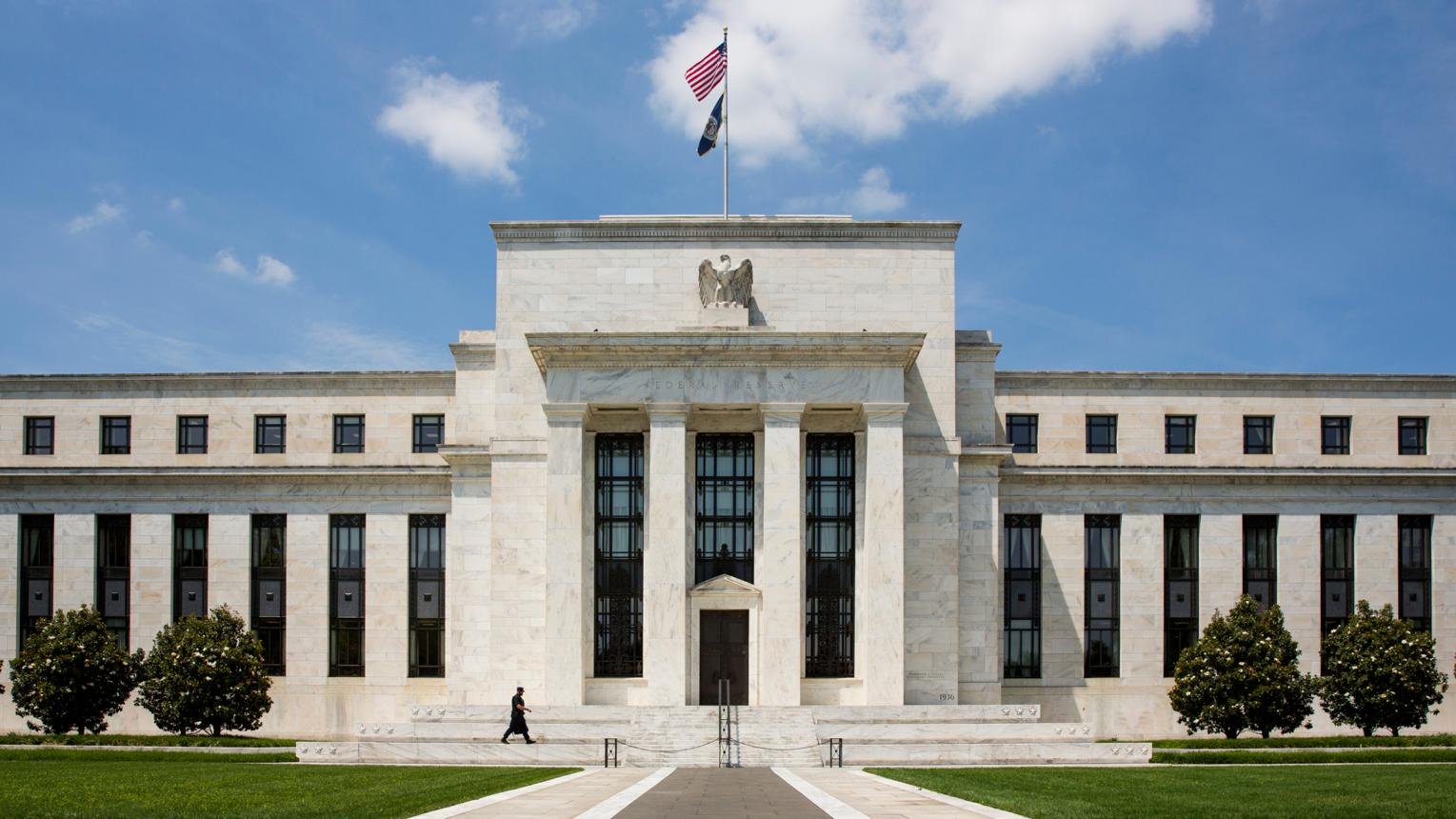
The US Federal Reserve’s decision to raise interest rates for the first time in three years is set to put renewed pressure on borrowers in emerging markets as higher US yields strengthen the appeal of dollar assets and raise the cost of international financing.
The Federal Reserve increased its benchmark federal funds rate by 0.25 percentage points on September 16, taking the target range to 3.75% to 4%. The decision was driven by persistent inflation in the US, with the central bank saying the move would support a more timely return to its 2% inflation target.
The decision also signalled that US monetary policy could remain tight for longer. Fed policymakers’ latest projections indicate that another rate increase could come before the end of 2026, while inflation is expected to remain above the central bank’s target for several years. For African economies, the significance extends beyond the US.
Higher US interest rates can make dollar-denominated assets more attractive to international investors, potentially increasing demand for US Treasury securities relative to assets in emerging and frontier markets. That can place pressure on African currencies and financial markets, particularly where economies depend heavily on foreign portfolio flows or external borrowing.
A weaker local currency can also increase the domestic cost of servicing debt denominated in US dollars. Governments and companies that earn most of their revenues in local currencies must obtain more local currency to meet the same dollar obligation when exchange rates move against them. For governments, this can complicate budget management because a larger share of domestic revenue may be required to meet external debt obligations.
Businesses face a similar challenge. Companies that borrow in dollars while generating most of their income in local currency are exposed to both the interest cost of the loan and movements in the exchange rate. Import-dependent businesses can also face higher costs when a stronger dollar increases the local-currency price of machinery, raw materials and other imported inputs. The impact could be particularly relevant for African borrowers seeking access to international capital markets.
Higher US Treasury yields can influence the returns investors demand from riskier emerging and frontier-market debt. African sovereigns and companies may therefore face higher borrowing costs when issuing international bonds, even when the underlying projects being financed have not changed.
This does not mean international financing has disappeared. Rather, borrowers have to compete against a higher global base rate and may need to offer investors greater returns to compensate for additional country and currency risks.
The shift also increases the importance of domestic financing. Companies with access to local banks and domestic capital markets may increasingly consider borrowing in local currency where this reduces exposure to exchange-rate movements. Although local borrowing can itself be expensive when domestic interest rates are high, matching the currency of debt with the currency of revenues can reduce one source of financial risk.
Businesses are also likely to pay closer attention to working capital as financing conditions change. Tighter financial conditions can make companies more cautious about holding excessive inventories, expanding capacity before demand is clear, or taking on debt for projects with long repayment periods. For Uganda, the Fed’s move comes at a time when the economy remains connected to global capital and trade flows.
Ugandan businesses that import machinery, fuel, raw materials and other goods are exposed to movements in the US dollar, while companies and institutions with foreign-currency obligations face exchange-rate risks.

The country is also preparing for increased investment in sectors including energy, infrastructure and manufacturing, areas that require significant long-term capital. The cost and availability of that capital will partly depend on global financial conditions.
At the same time, Uganda’s position as a future crude oil exporter could provide a source of foreign-exchange earnings once commercial production begins. Higher global oil prices can improve export revenues, although the benefits will depend on production levels, international prices and the timing of exports. For businesses, the changing global rate environment makes currency and financing decisions increasingly important.
Companies can reduce their exposure by matching borrowing currencies with revenue streams where possible, strengthening cash-flow management and assessing the cost of foreign-currency debt before committing to long-term obligations. The Federal Reserve’s latest decision therefore matters well beyond the US financial system.
For African borrowers, the key issue is not simply the level of the US policy rate, but how changes in global interest rates affect currencies, investor flows and the cost of accessing capital. With the Fed signalling that inflation remains a concern and leaving the door open to further tightening, African governments and businesses may have to operate in a global financing environment that remains more expensive and more sensitive to currency risk than in the era of ultra-low US interest rates.
