
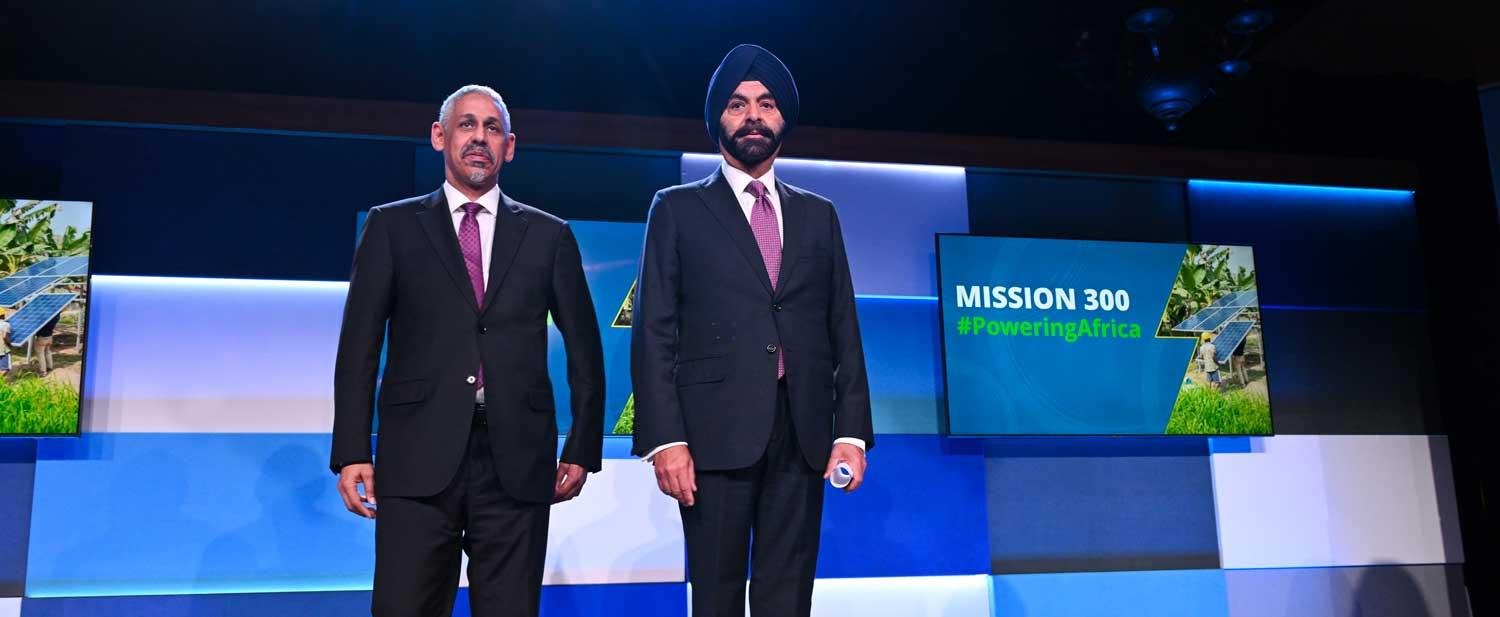
Africa’s push to connect 300 million people to electricity by 2030 is increasingly being framed not only as an energy access programme, but as a major investment opportunity for private capital.
Discussions around Mission 300 at the Unstoppable Africa 2026 Summit in New York have placed greater emphasis on how private developers, infrastructure investors and financial institutions can help close Africa’s electricity gap, particularly through decentralised renewable energy systems.
Mission 300 was launched by the World Bank Group and the African Development Bank (AfDB) with the goal of providing electricity access to 300 million people in Africa by 2030. The scale of the target has increased attention on financing models that can move beyond traditional public investment in large power infrastructure. One area attracting growing attention is the development of mini-grids and other decentralised renewable energy systems.
Solar and hybrid mini-grids can provide electricity to communities and productive-use facilities without waiting for conventional grid infrastructure to reach remote areas. For businesses operating in agriculture, manufacturing and services, access to reliable electricity can determine whether investment in a location is commercially viable.
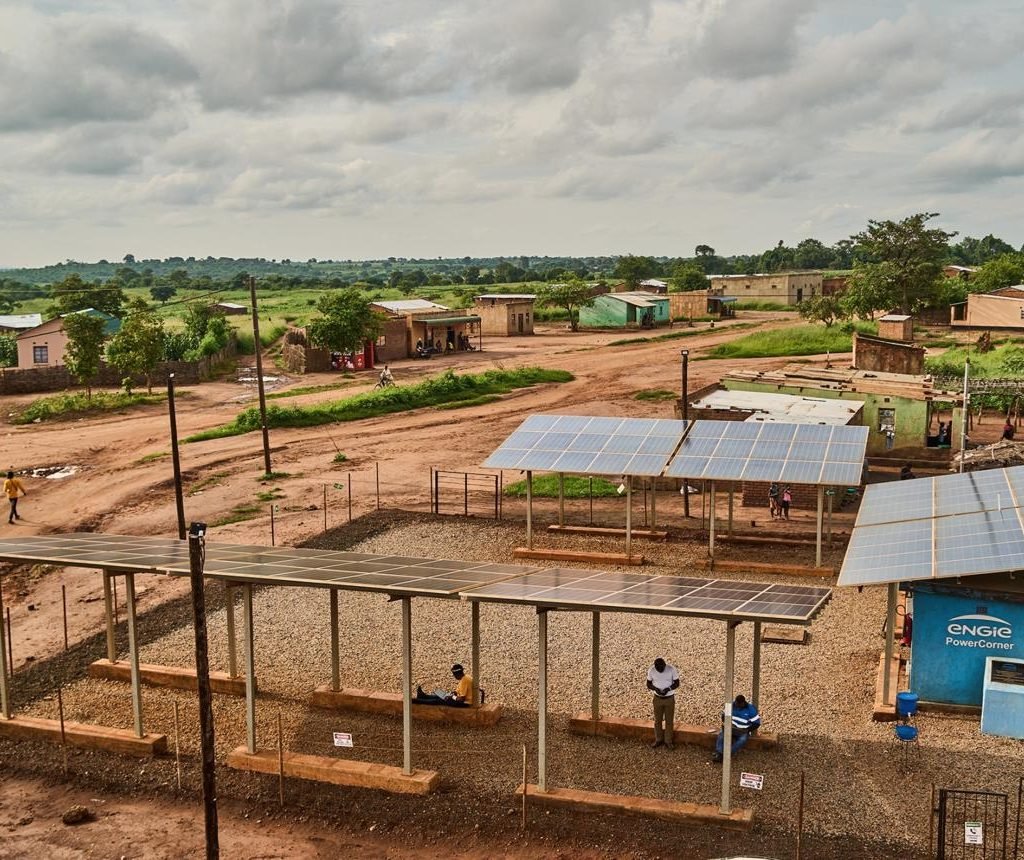
The financing challenge, however, remains significant. Many African governments face competing demands on public finances, limiting the amount of capital available for large-scale electricity infrastructure. Development finance institutions are therefore increasingly looking at ways of using guarantees, blended finance and other risk-sharing instruments to make African energy projects more attractive to private investors.
The objective is to reduce some of the risks that have historically made infrastructure investment in African markets more expensive, including currency, political and project risks. For investors, the opportunity extends beyond electricity connections themselves. Reliable power is a prerequisite for expanding manufacturing capacity and developing regional value chains under the African Continental Free Trade Area.
Factories require predictable electricity to operate machinery, while warehouses, cold-storage facilities and processing plants depend on power to preserve and add value to agricultural products. The expansion of electricity access is also closely linked to Africa’s growing digital economy.
Financial technology companies, telecommunications operators, data-driven businesses and digital service providers all depend on reliable power infrastructure. In areas where businesses and households rely heavily on backup generators or other expensive alternatives, unreliable electricity can raise operating costs and limit the scale of digital services.
Agriculture presents another commercial opportunity. Extending electricity to farming communities can support irrigation, refrigeration, milling, drying, and other forms of Agro-processing. This can allow more agricultural products to be processed closer to their source rather than being transported long distances in raw form.
For East Africa, the investment question is particularly relevant as governments work to expand electricity access while also developing industrial and regional trade infrastructure. Uganda, for instance, is pursuing additional generation and transmission capacity while continuing efforts to extend electricity access beyond the main grid.
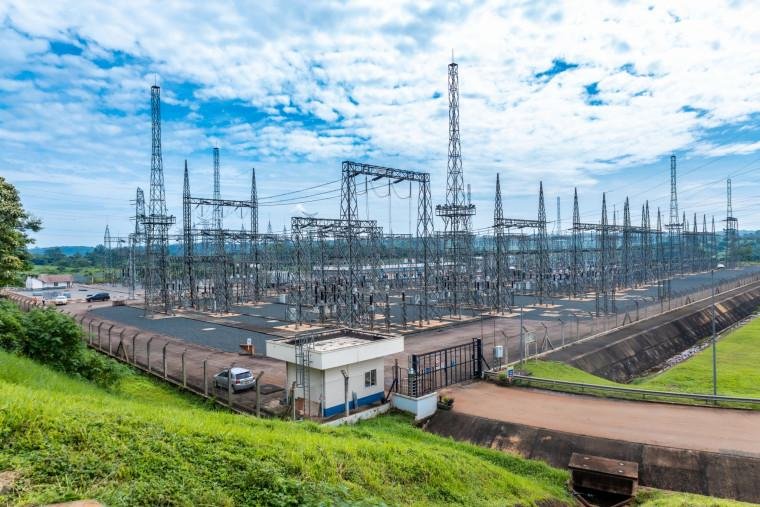
The country’s electricity system has historically been built around large generation and transmission projects, including hydropower, alongside increasing investment in solar and other renewable technologies.
Mission 300 could complement such infrastructure by creating opportunities for private developers to serve communities and businesses that remain difficult or expensive to connect through conventional grid expansion. This could allow public investment to concentrate on major generation, transmission and industrial infrastructure while private capital supports smaller distributed energy projects. For Uganda’s private sector, the opportunity would extend beyond electricity generation itself.
Companies can participate in the development, financing, installation, operation and maintenance of decentralised energy systems, while banks and investment funds can potentially provide financing where projects have sufficiently predictable revenues and appropriate risk protection.
The broader economic argument is that electricity access creates markets. A rural business with dependable power can extend operating hours, invest in machinery, refrigerate products and adopt digital payment systems. An agricultural producer can process more of its output locally. A telecommunications or technology company can serve customers more reliably. That makes energy access relevant not only to development policy but also to investment, productivity and business growth.
The success of Mission 300 will therefore depend not only on how many people are connected, but also on whether the financing structures behind the programme can attract enough long-term private investment to sustain and expand those connections. For Africa, the challenge is moving from ambitious electricity targets to commercially viable projects that can deliver reliable power at scale.
The growing focus on private capital suggests that the next phase of the continent’s energy transition will be shaped as much by investors, developers and financial institutions as by governments and development agencies.Africa’s push to connect 300 million people to electricity by 2030 is increasingly being framed not only as an energy access programme, but as a major investment opportunity for private capital.
Discussions around Mission 300 at the Unstoppable Africa 2026 Summit in New York have placed greater emphasis on how private developers, infrastructure investors and financial institutions can help close Africa’s electricity gap, particularly through decentralised renewable energy systems.
Mission 300 was launched by the World Bank Group and the African Development Bank (AfDB) with the goal of providing electricity access to 300 million people in Africa by 2030. The scale of the target has increased attention on financing models that can move beyond traditional public investment in large power infrastructure. One area attracting growing attention is the development of mini-grids and other decentralised renewable energy systems.
Solar and hybrid mini-grids can provide electricity to communities and productive-use facilities without waiting for conventional grid infrastructure to reach remote areas. For businesses operating in agriculture, manufacturing and services, access to reliable electricity can determine whether investment in a location is commercially viable.
The financing challenge, however, remains significant. Many African governments face competing demands on public finances, limiting the amount of capital available for large-scale electricity infrastructure. Development finance institutions are therefore increasingly looking at ways of using guarantees, blended finance and other risk-sharing instruments to make African energy projects more attractive to private investors.
The objective is to reduce some of the risks that have historically made infrastructure investment in African markets more expensive, including currency, political and project risks. For investors, the opportunity extends beyond electricity connections themselves. Reliable power is a prerequisite for expanding manufacturing capacity and developing regional value chains under the African Continental Free Trade Area.
Factories require predictable electricity to operate machinery, while warehouses, cold-storage facilities and processing plants depend on power to preserve and add value to agricultural products. The expansion of electricity access is also closely linked to Africa’s growing digital economy.
Financial technology companies, telecommunications operators, data-driven businesses and digital service providers all depend on reliable power infrastructure. In areas where businesses and households rely heavily on backup generators or other expensive alternatives, unreliable electricity can raise operating costs and limit the scale of digital services.
Agriculture presents another commercial opportunity. Extending electricity to farming communities can support irrigation, refrigeration, milling, drying, and other forms of Agro-processing. This can allow more agricultural products to be processed closer to their source rather than being transported long distances in raw form.
For East Africa, the investment question is particularly relevant as governments work to expand electricity access while also developing industrial and regional trade infrastructure. Uganda, for instance, is pursuing additional generation and transmission capacity while continuing efforts to extend electricity access beyond the main grid.
The country’s electricity system has historically been built around large generation and transmission projects, including hydropower, alongside increasing investment in solar and other renewable technologies.
Mission 300 could complement such infrastructure by creating opportunities for private developers to serve communities and businesses that remain difficult or expensive to connect through conventional grid expansion. This could allow public investment to concentrate on major generation, transmission and industrial infrastructure while private capital supports smaller distributed energy projects. For Uganda’s private sector, the opportunity would extend beyond electricity generation itself.
Companies can participate in the development, financing, installation, operation and maintenance of decentralised energy systems, while banks and investment funds can potentially provide financing where projects have sufficiently predictable revenues and appropriate risk protection.
The broader economic argument is that electricity access creates markets. A rural business with dependable power can extend operating hours, invest in machinery, refrigerate products and adopt digital payment systems. An agricultural producer can process more of its output locally. A telecommunications or technology company can serve customers more reliably. That makes energy access relevant not only to development policy but also to investment, productivity and business growth.
The success of Mission 300 will therefore depend not only on how many people are connected, but also on whether the financing structures behind the programme can attract enough long-term private investment to sustain and expand those connections. For Africa, the challenge is moving from ambitious electricity targets to commercially viable projects that can deliver reliable power at scale.
The growing focus on private capital suggests that the next phase of the continent’s energy transition will be shaped as much by investors, developers and financial institutions as by governments and development agencies.
