
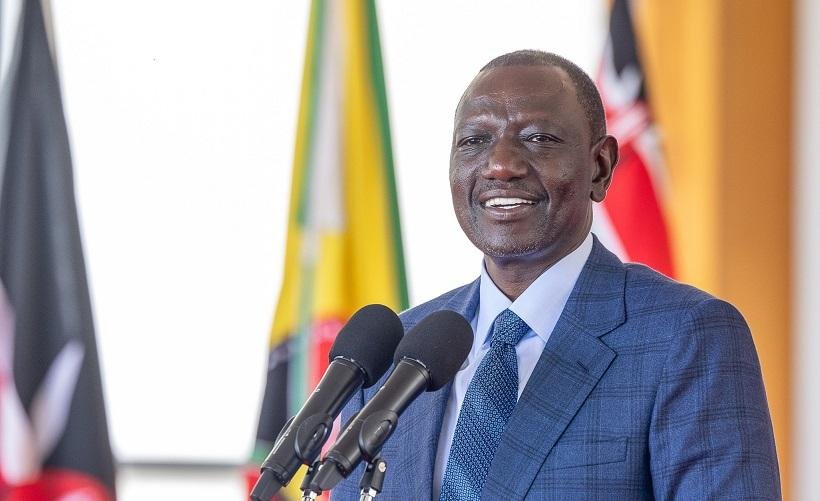
Kenyan President William Ruto has defended the country’s government-to-government fuel importation model, saying it has eliminated brokers from the supply chain and helped Kenya secure petroleum products more efficiently.
Speaking to Kenyans in New York on Sunday, Ruto rejected criticism of the arrangement and challenged those questioning the model to compare the landed cost of fuel imported into Kenya with the cost of products supplied to neighbouring countries, including Uganda.
“If there is one thing we got right, it is to make sure our fuel has no brokers in between,” Ruto said, arguing that Kenya now deals directly with companies that produce petroleum products.
His comments come days after Ugandan President Yoweri Museveni raised questions about the cost of petroleum products previously imported into Uganda through intermediaries in Kenya. Museveni said Uganda had changed its procurement arrangements after concerns about the prices it was paying through middlemen and credited Ruto with supporting the country’s new fuel supply arrangement.
The exchange has brought renewed attention to how petroleum products move through East Africa, where Kenya’s Port of Mombasa serves as a major entry point for fuel supplied to the regional market.
Ruto said Kenya’s current model was introduced after the country faced severe fuel-supply and foreign-exchange challenges. He recalled that when his administration came into office in 2022, some fuel stations had experienced shortages because oil marketers were struggling to access US dollars needed to pay for imports.
Kenya formally introduced its government-to-government petroleum importation framework in 2023. Under the arrangement, the government entered into agreements with major international suppliers including Saudi Aramco, Abu Dhabi National Oil Company and Emirates National Oil Company to supply refined petroleum products on extended credit terms.
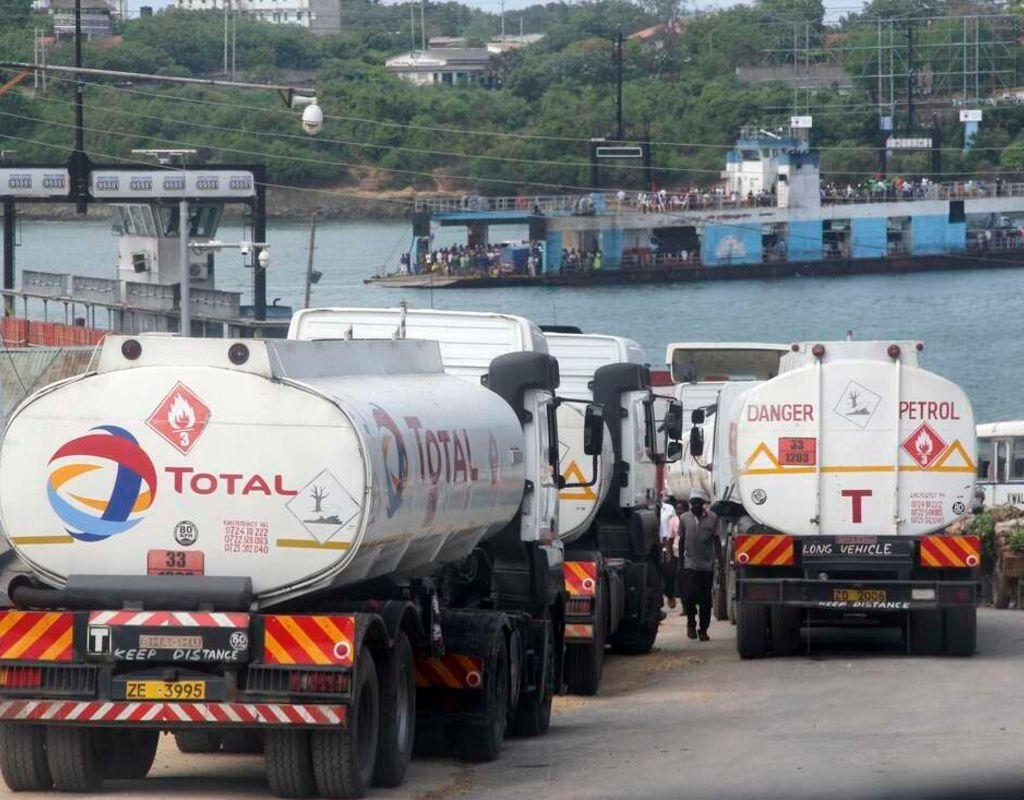
The model was designed partly to reduce the immediate demand for US dollars. Before the arrangement, oil marketing companies were required to secure dollars shortly after receiving imported cargo. The government said this placed significant pressure on Kenya’s foreign-exchange market at a time when dollar liquidity was already constrained.
Under the G-to-G framework, payments for petroleum imports were structured around longer credit periods, with local oil marketers paying in Kenya shillings while the financing arrangements supported settlement of the international obligations.
Kenya’s Treasury has previously argued that the model helped ease pressure on foreign-exchange reserves and improved the security of petroleum supply. In a 2024 review, the Treasury said the country had experienced improved supply security after implementation of the arrangement and that the system had helped clear foreign-exchange-related backlogs. Ruto now argues that the arrangement also provides Kenya with a cost advantage.
He specifically pointed to the landed cost of petroleum products arriving in Kenya compared with products ultimately supplied to Uganda, saying the figures should be examined rather than debated politically.
“Check the landed cost of petrol products coming to Kenya and going to Uganda. Which one is cheaper? Just go check,” he said.
The comparison is significant because Uganda remains heavily dependent on petroleum imports arriving through Kenya’s Mombasa port and moving inland through the regional transport and pipeline network.
Uganda has been changing the way it procures petroleum products. Museveni said the country had previously relied on middlemen in Kenya but had moved toward a new arrangement involving Uganda National Oil Company and an international energy trader. He said the new model had reduced the cost of Uganda’s fuel imports. The Kenyan government has also pushed back against the idea that its G-to-G framework is simply a system that inserts selected oil marketers between the state and international suppliers.
Energy and Petroleum Cabinet Secretary Opiyo Wandayi said on September 20 that the model was introduced in response to an acute dollar shortage that threatened the supply of refined petroleum products. The ministry said oil marketers had previously been required to make payments in US dollars within five days of receiving cargo, creating substantial foreign-exchange pressure.
The government’s explanation highlights the original economic problem the arrangement was intended to solve. Petroleum imports were a major source of foreign-exchange demand, and the government sought to reduce the frequency and immediate size of dollar requirements by introducing longer credit terms.
The debate has now shifted toward another question: whether the structure delivers the lowest possible landed cost for consumers and businesses. Ruto said Kenya was prepared to defend its model using actual cost data and challenged critics to identify an alternative arrangement that could deliver petroleum products more cost-effectively.
“We can prove everybody with facts,” he said, calling for comparisons based on the cost of bringing the products into the market.
The dispute therefore extends beyond the question of brokers. It raises broader issues about procurement structures, financing costs, foreign-exchange exposure, supplier selection and the final price paid for petroleum products across East Africa.
For Kenya, the G-to-G model was initially presented as a response to a foreign-exchange and fuel-supply crisis. Three years later, the government is defending it on a broader efficiency argument. For Uganda and other regional fuel-importing countries, the comparison provides a basis for examining whether different procurement models can reduce import costs while maintaining reliable supply.
The key test will ultimately be measurable costs, including the price at which petroleum products are purchased, financing and logistics expenses, and the final landed cost before fuel reaches consumers. Ruto’s challenge is therefore straightforward: compare the numbers.
