
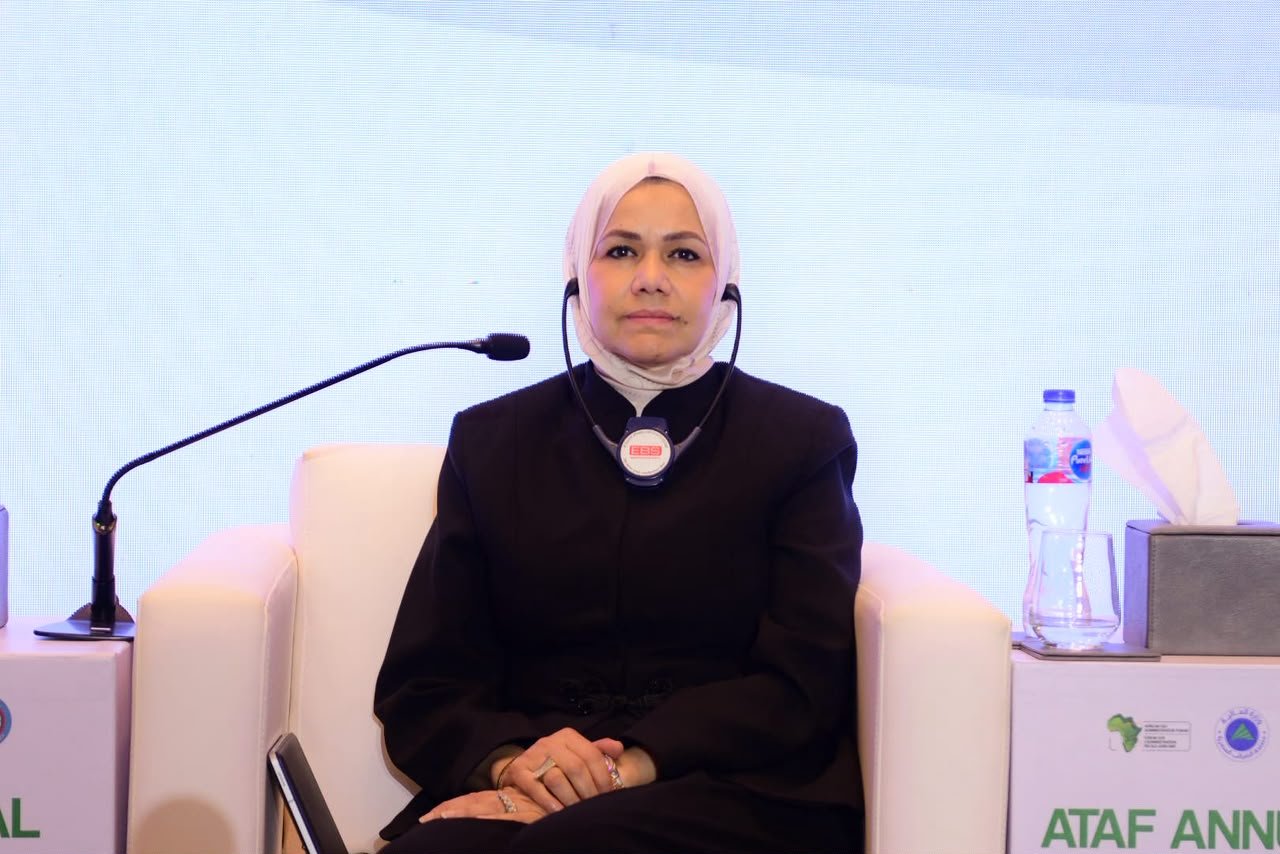
African countries must translate international financing and tax cooperation commitments into measurable improvements in domestic revenue mobilisation, stronger tax administrations and more sustainable development financing, officials said during the African Tax Administration Forum (ATAF) Annual Meetings 2026 in Cairo.
The call emerged during a high-level panel examining the implementation of the Compromiso de Sevilla, adopted at the Fourth International Conference on Financing for Development in Spain in 2025, and its relationship with the proposed United Nations Framework Convention on International Tax Cooperation.
The discussions focused on how African countries can move beyond international pledges to secure practical benefits, including stronger protection of their tax bases, greater access to resources and a fairer share of revenue from cross-border economic activities.
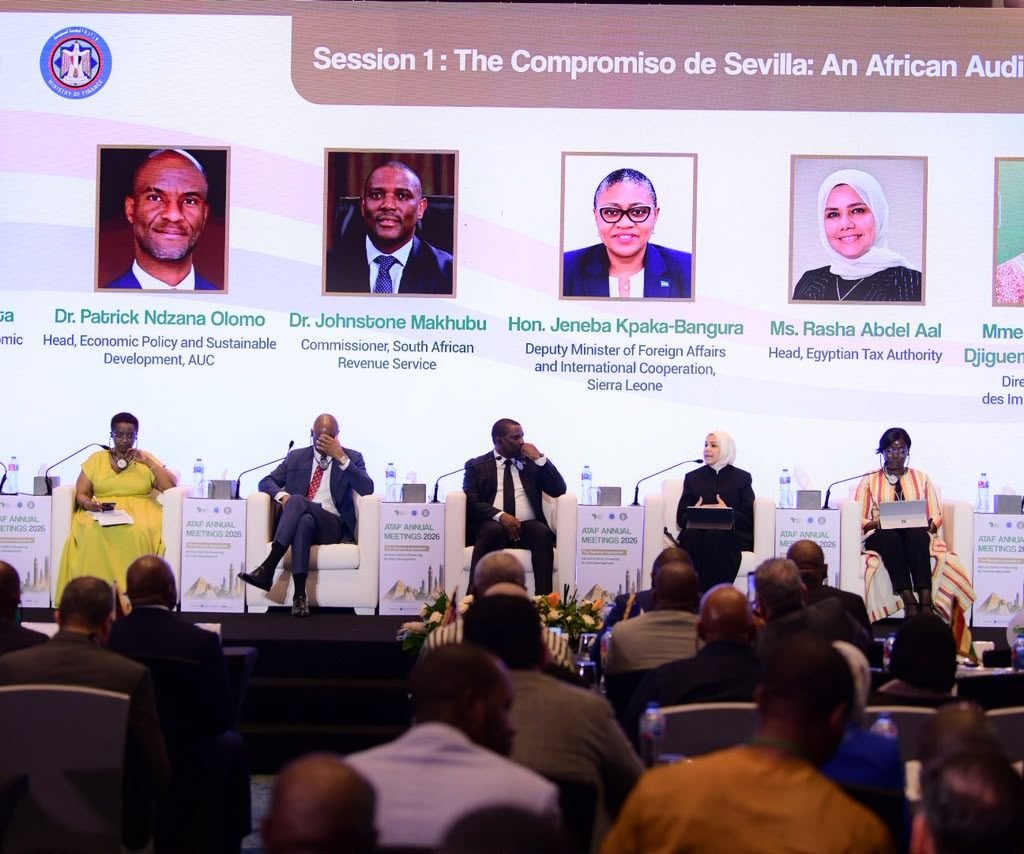
Rasha Abdel Aal, Head of the Egyptian Tax Authority (ETA), said the Compromiso de Sevilla and the UN Framework Convention represent complementary approaches to financing development. While the Compromiso de Sevilla establishes political and financing priorities, the Framework Convention seeks to create international rules and mechanisms to strengthen cooperation between tax authorities.
For African countries, the relationship between the two initiatives is particularly important as governments face mounting pressure to finance development priorities amid limited domestic resources, rising debt obligations and persistent illicit financial flows.
Abdel Aal emphasised that international tax cooperation must help African countries combat tax evasion and avoidance, protect their taxing rights and improve their ability to collect revenue from economic activities that cross national borders.
She highlighted ongoing negotiations on the UN Framework Convention as an opportunity to address challenges involving multinational enterprises, digital economic activities and cross-border services. These issues have significant implications for how taxing rights are allocated and whether developing countries can effectively collect revenue generated within their economies.
She also pointed to tax transparency and the exchange of information as essential tools for tackling profit shifting and the diversion of tax revenues across borders.
However, international agreements alone will not deliver the desired results. Abdel Aal stressed the need for political commitment, sustainable funding for capacity building, stronger African coordination and meaningful participation by developing countries in international negotiations.
She also called for clear mechanisms to measure how international commitments affect public revenue and progress towards the Sustainable Development Goals.
Africa seeks practical support to finance development
The challenge of turning commitments into results was also highlighted by Seedy K.M. Keita, The Gambia’s Minister of Finance and Economic Affairs, who addressed the difficulties facing smaller African economies as they attempt to balance domestic revenue mobilisation, debt obligations and social spending.
Keita underscored the importance of translating international pledges into actionable support instruments that governments can use to strengthen their capacity to finance development.
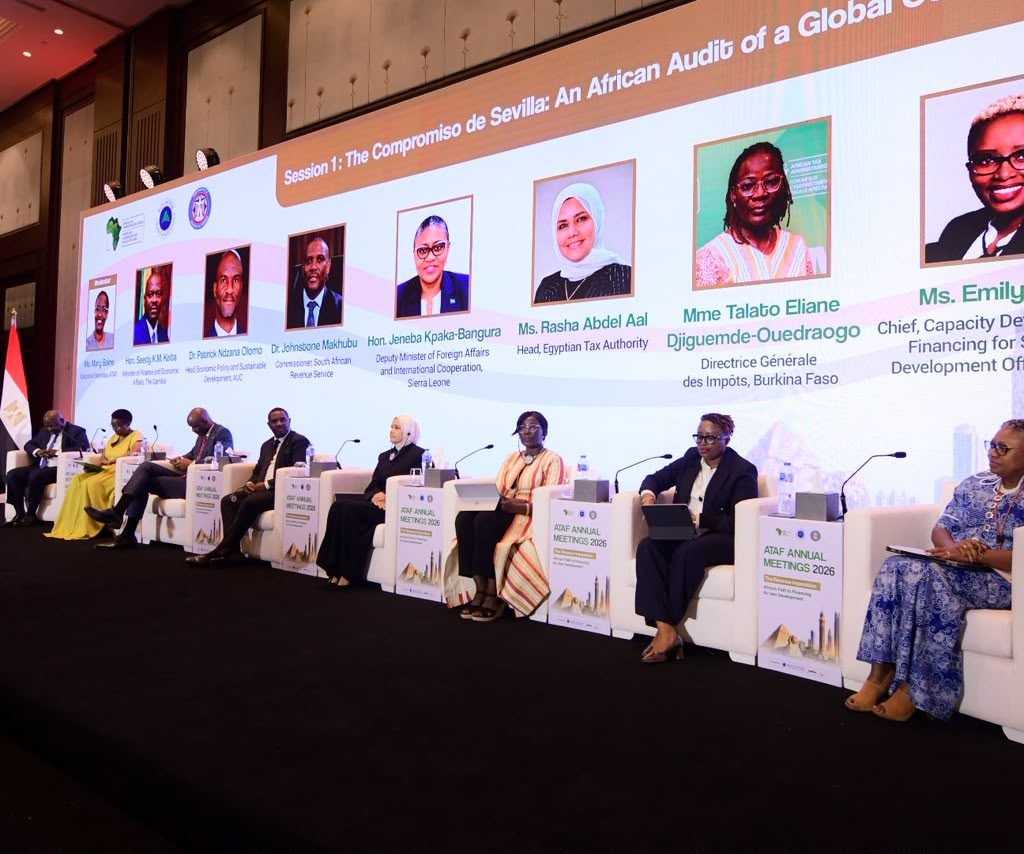
Francisca Tatchouop Belobe, Commissioner for Economic Development, Trade, Tourism, Industry and Minerals at the African Union Commission, stressed the need for a united African position in following up on the implementation of the Compromiso de Sevilla.
She highlighted the importance of using regional and international frameworks to give African priorities greater influence on the global financing-for-development agenda and ensure that the continent’s needs are reflected in the implementation of international commitments.
The emphasis on coordinated action reflects a central challenge for African governments: securing international commitments is only one part of the process. Ensuring that those commitments translate into resources, technical assistance and stronger institutions requires sustained engagement and effective follow-up.
Johnstone Makhubu, Commissioner of the South African Revenue Service and Chairperson of the ATAF Council, highlighted the institutional and technical challenges facing African tax administrations.
He stressed the importance of developing administrative capacity, improving transparency and modernising tax administration tools to help countries convert commitments on domestic resource mobilisation into tangible results.
For tax administrations, this means investing in the skills, technology and systems required to assess tax risks, analyse financial information and enforce tax rules more effectively. Capacity building and knowledge transfer are particularly important in areas such as data analytics, risk assessment and transfer pricing.
Emily Muyaa, Chief of the Capacity Development Unit at the Financing for Sustainable Development Office of the UN Department of Economic and Social Affairs, called for stronger mechanisms to track implementation of the Compromiso de Sevilla.
She emphasised the need to distinguish between announced commitments and actual results, drawing lessons from the Addis Ababa Action Agenda to ensure that the impact of international initiatives on developing countries’ revenue mobilisation capacity can be properly assessed.
Measuring commitments against results
The panel’s discussions highlighted the need for African countries to establish effective mechanisms for monitoring international commitments, identifying technical and financial assistance priorities and accounting for differences in the economic circumstances of individual countries.
They also underscored the importance of sustained international support to strengthen tax administrations, improve revenue collection and address illicit financial flows.
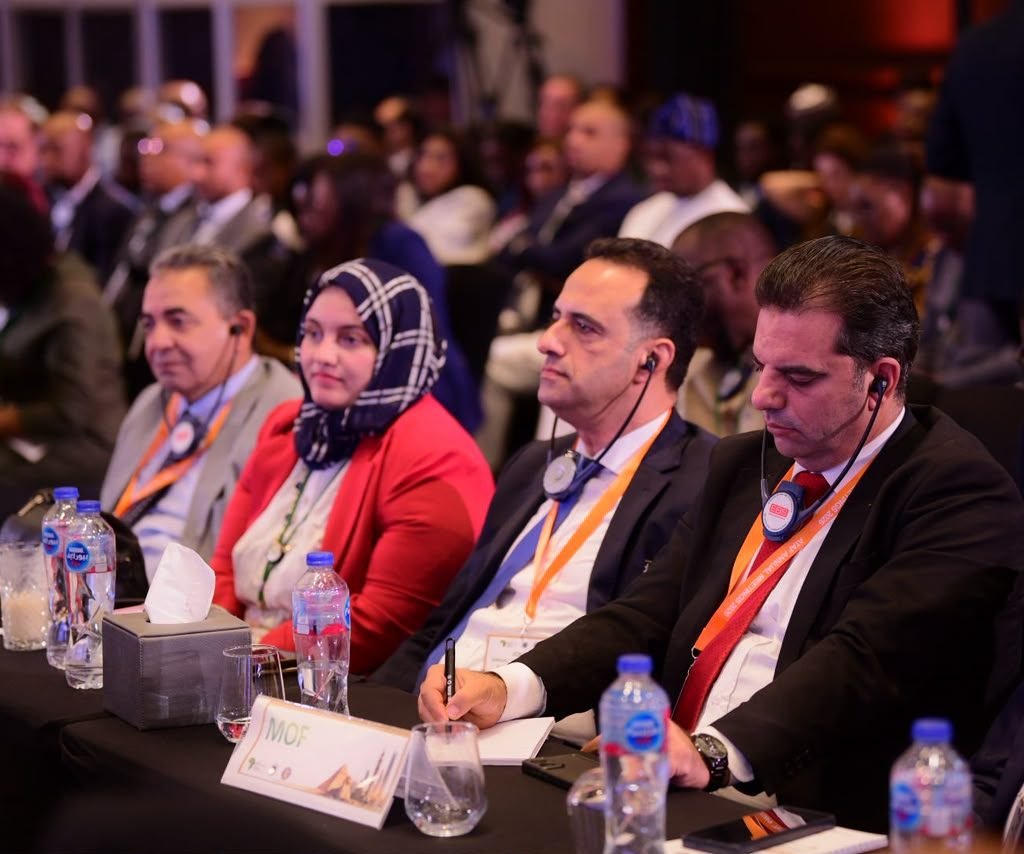
Egypt, which hosted the ATAF Annual Meetings and chairs negotiations on the UN Framework Convention on International Tax Cooperation, reaffirmed its commitment to strengthening coordination between national and international tax agendas and ensuring that African priorities receive greater attention in international forums.
The discussions form part of ATAF’s 2026 Annual Meetings, taking place in Cairo from November 1 to 5 under the theme The Revenue Imperative: Africa’s Path to Financing Its Own Development.
The broader challenge facing African governments is to ensure that international commitments produce measurable improvements in their ability to finance development from domestic resources. For the continent’s tax administrations, the next step is to translate political agreements into stronger institutions, effective international cooperation and revenue systems capable of supporting long-term economic and social priorities.
