
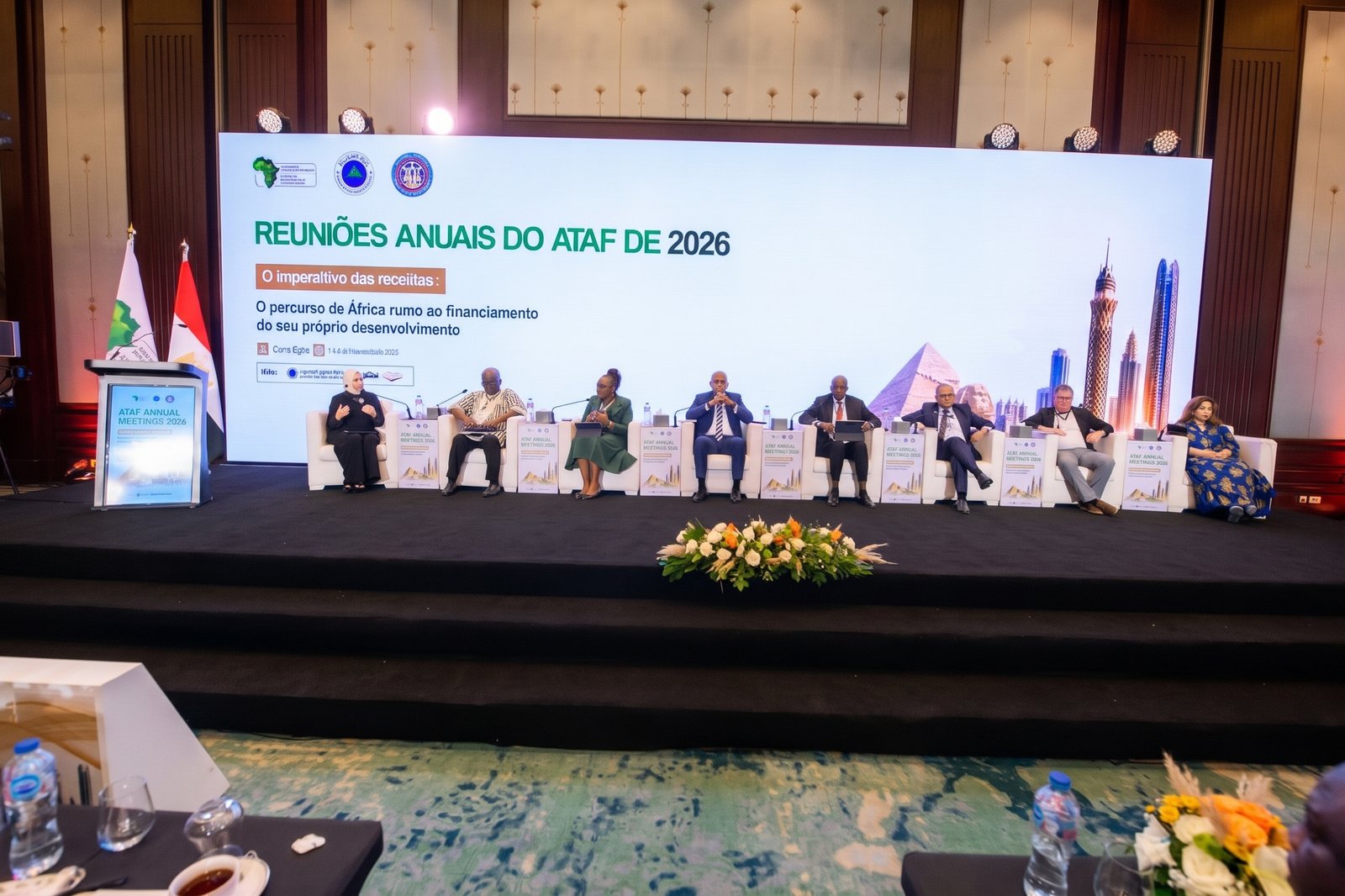
Egypt is seeking to bring informal businesses into the formal economy through tax incentives, simplified regulations and voluntary compliance rather than relying on enforcement alone. The approach emerged during discussions among African tax officials in Cairo, where participants emphasised that countries need different strategies to strengthen domestic revenue mobilisation based on their economic structures and administrative capacities.
Rasha Abdel Aal, Head of the Egyptian Tax Authority, outlined Egypt’s approach on Thursday during a session at the African Tax Administration Forum (ATAF) 2026 Annual Meetings, hosted by Egypt from November 1 to 5 under the theme “The Revenue Imperative: Africa’s Path to Financing Its Own Development.”
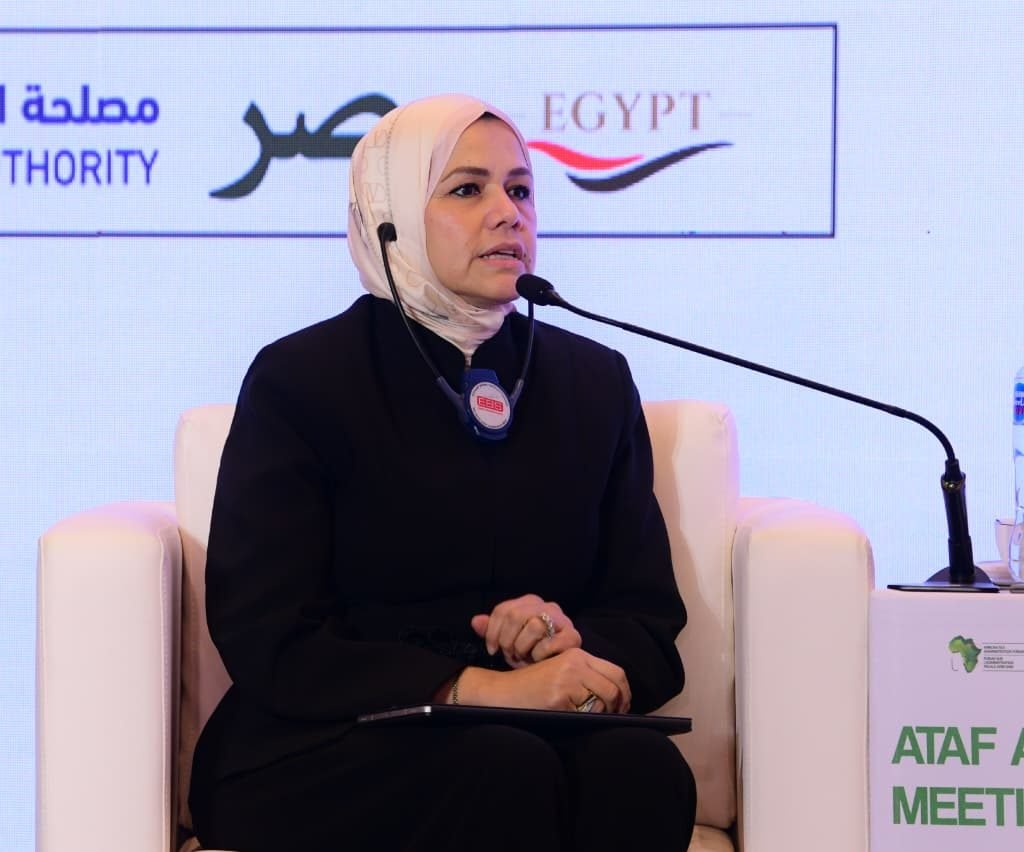
Abdel Aal said Egypt introduced a tax facilitation package in 2025 to simplify procedures, resolve tax disputes and reduce administrative burdens. The package also established a simplified tax regime for businesses with annual turnover of up to 20 million Egyptian pounds, aimed at encouraging smaller enterprises to formalise their operations and comply voluntarily with tax obligations.
“Broadening the tax base cannot be achieved through law enforcement alone,” she said, according to a statement from her office.
She added that taxpayers need a simpler and fairer system in which they can recognise the benefits of complying with their obligations.
Abdel Aal also highlighted Egypt’s adoption of e-invoicing and e-receipt systems, alongside wider integrated tax administration systems, which she said had improved operational efficiency, transparency and data accuracy.
She noted that digital transformation delivers better results when implemented gradually, supported by staff training and assistance for taxpayers.
The session, titled “Domestic Resource Mobilisation: Differentiated Pathways for a Diverse Continent,” was moderated by Regina Chinamasa, Commissioner General of the Zimbabwe Revenue Authority. Chinamasa observed that African economies face different challenges, ranging from large informal sectors and varying levels of digital development to dependence on natural resources.
She argued that tax reform priorities and their implementation should reflect each country’s economic circumstances and institutional capacity.
Angola Seeks to Reduce Dependence on Oil Revenue

Leonildo João Lourenço Manuel, Chairperson of the Board of Angola’s General Tax Administration, outlined his country’s efforts to reduce its dependence on oil revenues by expanding its non-oil tax base.
He pointed to the introduction of value-added tax (VAT) in 2019 and efforts to strengthen institutional capacity as important measures in helping Angola manage the revenue fluctuations associated with dependence on natural resources.
Small Economies Urged to Adopt Realistic Tax Reforms
Yankuba Darboe, Commissioner General of the Gambia Revenue Authority, highlighted the particular difficulties facing smaller economies as they seek to increase domestic revenue amid fiscal pressures and growing debt burdens.
He called for reforms that reflect available administrative capacity, continuity in development programmes and international technical assistance aligned with the actual needs of individual countries.
Richard Stern, Director of the Global Tax Policy Center at the Vienna University of Economics and Business, urged governments to base tax reforms on evidence and international experience.
He emphasised that proposed reforms should be assessed not only on their potential to generate additional revenue but also on the costs and practical challenges of implementation, cautioning against adopting approaches without considering local circumstances.
Other African Tax Reform Experiences
The discussions also examined Liberia’s preparations to introduce VAT in 2027 and Mauritius’s experience in diversifying its tax base.
Participants further considered ATAF’s work on technology solutions that can be adapted to countries at different stages of digital readiness.
The session concluded with calls to identify tax reform pathways suited to individual economies, strengthen institutional capacity, expand peer-to-peer learning among tax administrations and develop indicators to measure progress in domestic resource mobilisation.
