
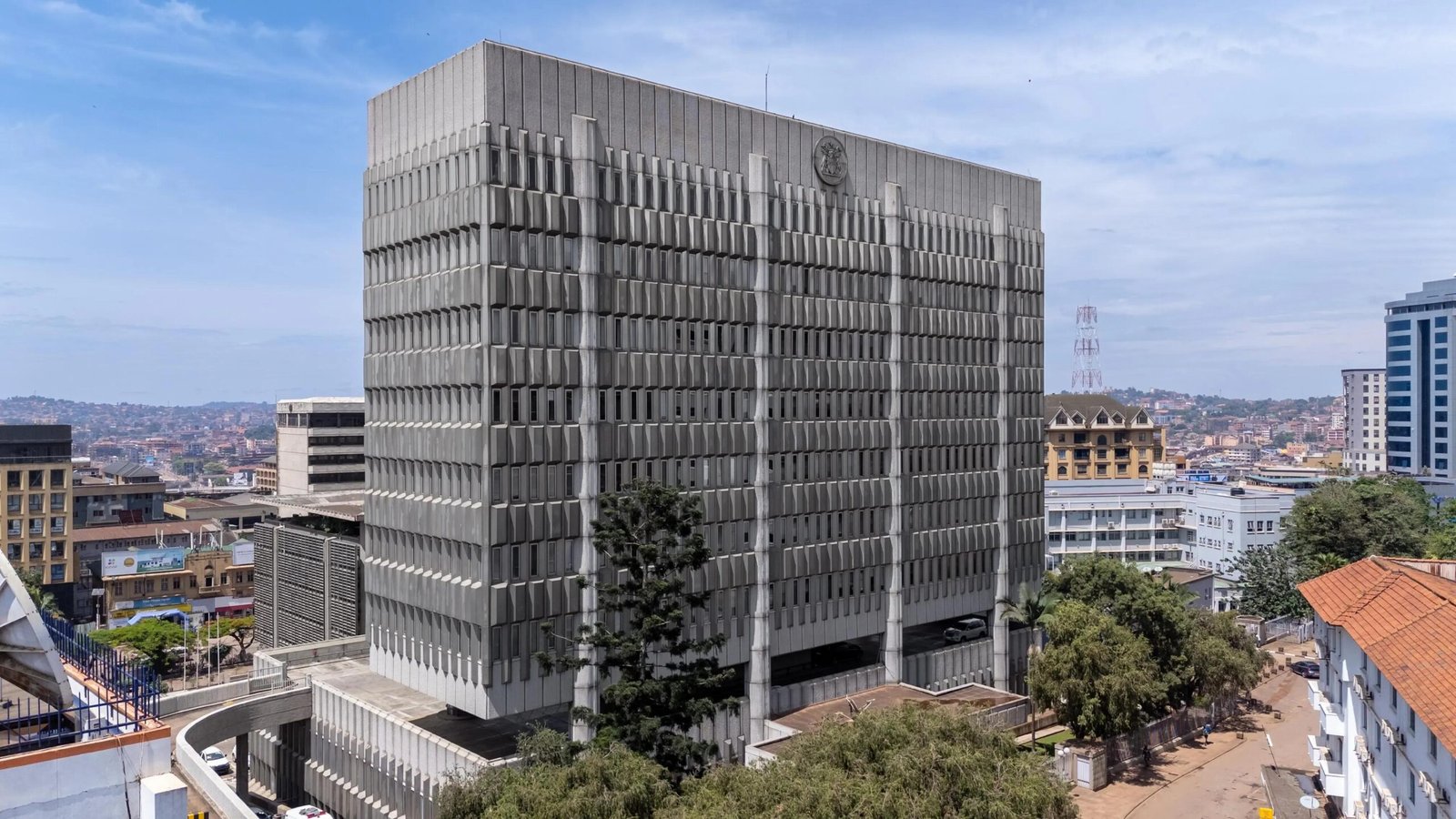
On Monday, November 9, the Bank of Uganda will face a monetary policy decision with significant implications for the country’s economy. With inflation rising, the shilling under pressure and businesses already dealing with higher borrowing costs, the question is whether the central bank will raise interest rates again, hold its position or signal that the worst of the economic pressure may be easing.
The meeting comes less than a month after the Bank of Uganda made an emergency move that caught the market’s attention. On October 14, the central bank raised its benchmark Central Bank Rate (CBR) from 9.75 per cent to 12 per cent, an increase of 225 basis points and the largest monthly rise since October 2011. That decision was intended to contain inflation risks linked to higher international fuel prices and exchange rate pressures.
But the economic pressures that prompted the intervention have not disappeared. Uganda’s annual headline inflation rose to 5.8 per cent in October, up from 4.6 per cent in September, according to the Uganda Bureau of Statistics. This is the highest annual inflation rate since June 2023 and puts inflation further above the central bank’s medium-term target of five per cent.
Food prices have been particularly concerning. Annual food inflation jumped to 10.7 per cent in October from 4.5 per cent in September, increasing the cost of living for households and adding to operating expenses for businesses involved in food production, processing and distribution.
The shilling presents another challenge. Reuters reported on October 30 that the currency had weakened by almost 15 per cent since June, trading at approximately Shs4,245 against the US dollar, compared with Shs3,614.50 at the end of 2025. A weaker currency makes imported fuel, machinery, industrial inputs and other goods more expensive, putting additional pressure on businesses and consumers.
The deterioration in the external position has added to these pressures. According to the Bank of Uganda’s October monetary policy statement, the country’s current account deficit widened by $1.4 billion to $4.6 billion in the 12 months to August. Lower earnings from agricultural exports, reduced tourism receipts and higher import and freight costs contributed to the deterioration. Uncertainty surrounding the conflict in the Middle East has also affected global energy prices and shipping costs.
These developments raise an important question ahead of Monday: Has the central bank done enough with its October intervention, or will the latest economic indicators force it to tighten monetary policy further?
What is at stake going into Monday’s meeting?
The Bank of Uganda has already taken steps to restrict financial conditions. In addition to raising the CBR, it increased the Cash Reserve Requirement (CRR), the proportion of customer deposits commercial banks must hold with the central bank, from 11 per cent to 13.5 per cent, effective September 24.
The measures are intended to reduce excess liquidity, moderate credit growth and support price stability. However, they also make financing more expensive and limit the funds available to banks for lending.
For businesses, the timing is particularly difficult. Manufacturers and importers are facing higher costs for foreign-sourced inputs as the shilling depreciates, while companies relying on bank financing must contend with more expensive credit. Small and medium-sized enterprises are especially exposed because they often depend on short-term borrowing to finance inventory, pay suppliers and maintain daily operations.
Households are also affected through higher prices and potentially more expensive loans. Consequently, Monday’s decision will matter beyond financial markets, with implications for purchasing power, investment and the cost of doing business.
What could the Bank of Uganda decide?
There are three broad possibilities.
The first is another interest rate increase. This would indicate that the Monetary Policy Committee considers inflation and exchange rate pressures serious enough to warrant further tightening. It would likely push commercial lending rates higher, increasing the cost of borrowing for businesses and households.
The second is to maintain the CBR at 12 per cent. This would allow the central bank to assess whether the October increase and earlier liquidity measures are having the intended effect. It would not necessarily mean that inflationary pressures have eased, but rather that the committee considers the existing restrictive policy stance sufficient for now.
The third possibility is a reduction in the benchmark rate. Such a move would suggest greater confidence that inflation and currency pressures are easing. However, with headline inflation rising to 5.8 per cent and the shilling continuing to weaken, an immediate reduction would present a difficult policy choice.
The central bank’s October monetary policy statement projected headline inflation to average between seven and 7.5 per cent over the following 12 months, while core inflation was expected to average between 5.5 and six per cent. Both projections remain above the five per cent medium-term inflation target.
What are analysts expecting?
Following the October rate increase, Kampala-based financial analyst Stephen Kaboyo told Reuters that the Bank of Uganda was likely to maintain a firm monetary policy stance to control inflation expectations. Analysts at JPMorgan also warned that continued pressure on the balance of payments and foreign exchange market could lead to further monetary tightening.
These assessments underline the difficult position facing the Monetary Policy Committee. Raising rates further could help reinforce the central bank’s commitment to price stability, but would increase the financial burden on borrowers. Holding rates would give the October intervention more time to work, although persistent inflation and currency weakness would remain concerns.
A Bank of Uganda spokesperson confirmed the November 9 meeting date on Thursday, November 5, according to Reuters. The decision will be closely watched by commercial banks, investors, businesses and households seeking clarity on the direction of interest rates and the shilling.
Ultimately, Monday’s meeting is about more than whether the CBR moves up or stays at 12 per cent. It is about how the central bank intends to respond to an economy facing rising prices, currency weakness and increasingly expensive credit, without putting excessive pressure on economic activity. The decision will offer an important indication of what businesses, borrowers and consumers should prepare for in the months ahead.
