
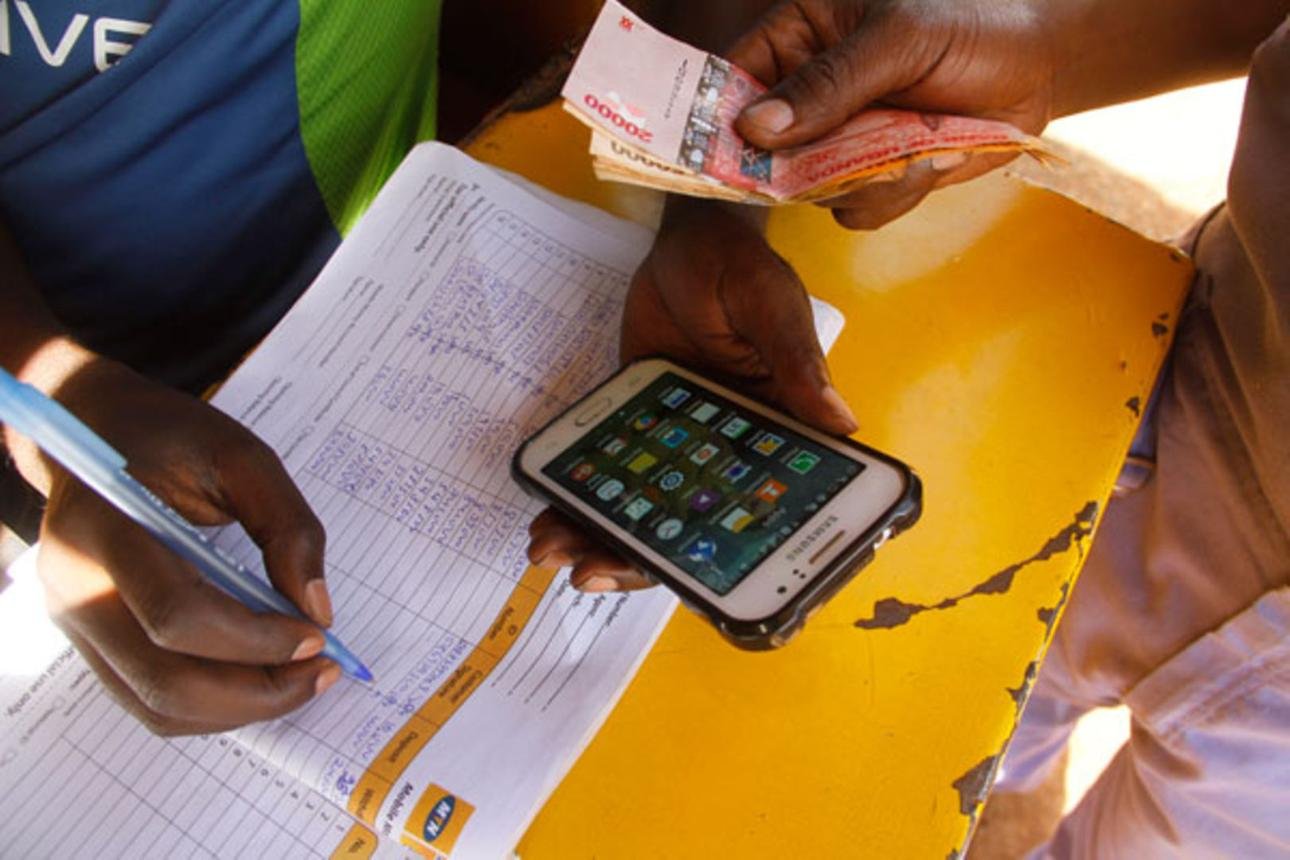
Uganda’s mobile lending boom is increasingly reflecting a struggle to meet everyday household expenses, with millions of borrowers turning to short-term digital credit as traditional financial institutions remain largely inaccessible to low-income earners.
Data from MTN Mobile Money Uganda shows that the platform disbursed 223 million mobile-money loans to 3.4 million borrowers in 2025. That translates into approximately 66 loans per borrower annually, or more than one loan every week, highlighting the growing frequency with which Ugandans are accessing short-term credit.
The figures emerge against a backdrop of expanding credit in Uganda’s financial sector. Private-sector credit reached Shs28.6 trillion in August, representing a 19 per cent increase from the previous year, while commercial banks approved 73 per cent of loan applications.
But rising credit volumes do not necessarily signal growing productive investment. Increasingly, borrowing is being used to finance daily living expenses rather than business expansion, exposing the financial pressures facing households.
According to FinScope data compiled by Financial Sector Deepening Uganda (FSD Uganda), 44 per cent of borrowers take loans to meet daily living expenses, compared with 22 per cent who borrow to invest in business activities.
The trend is also reflected in commercial bank lending. By June 2026, personal and household loans had reached Shs6.96 trillion, accounting for 26.6 per cent of the banking sector’s Shs26.14 trillion private-sector loan portfolio.
Within that category, loans for non-durable goods and services, largely associated with everyday consumption, grew by 37.4 per cent to Shs3.67 trillion, exceeding lending to sectors such as agriculture, which received Shs2.64 trillion.
Mr Joel Muhumuza, a risk-based lending specialist, warns that borrowing to cover routine household expenses can expose borrowers to recurring debt cycles, particularly where loans do not generate income.
Unlike business financing, which may generate returns to service debt, consumption borrowing often leaves households dependent on future earnings or additional loans to meet repayment obligations.
The growing divide in access to credit
The reliance on mobile loans and informal borrowing reflects a broader inequality in access to formal financing.
Analysis by FSD Uganda shows that individuals earning more than Shs1 million a month account for 85 per cent of retail credit, despite representing only 20 per cent of economically active adults.
The remaining 80 per cent, many of whom work in the informal economy, have irregular incomes and lack conventional collateral, face significant barriers to accessing commercial bank financing.
FinScope data shows that the proportion of Ugandan adults who had not borrowed rose from 49 per cent in 2018 to 59 per cent in 2023, while the proportion actively repaying loans declined from 23 per cent to 15 per cent.
Among those excluded from formal borrowing, 77 per cent cited insufficient income and 51 per cent identified high borrowing costs as barriers.
Only eight per cent of active borrowers obtain loans from commercial banks. Community savings groups account for 56 per cent of borrowing, while family and friends account for 50 per cent. Informal moneylenders serve seven per cent.
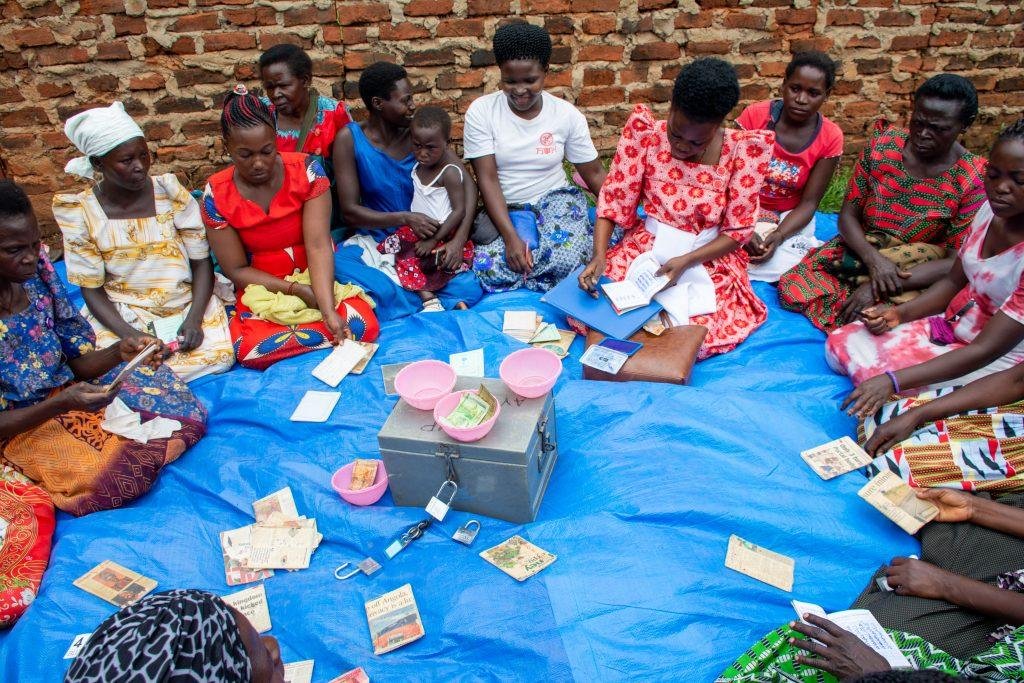
The growing importance of alternative lending channels is reflected in the expansion of SACCOs and microfinance institutions. Outstanding SACCO loans rose by 25.7 per cent to Shs3.7 trillion in the 2025/26 financial year, while Tier 4 microfinance institutions expanded their loan book to Shs1.29 trillion, with 96.3 per cent of lending directed to individuals.
However, access comes at a cost.
Commercial bank shilling loans averaged 18.5 per cent in the 2025/26 financial year, rising to 19.1 per cent for personal and household facilities. Tier 4 microfinance institutions charged rates of up to 48 per cent, while informal moneylenders charged as much as 120 per cent.
Meanwhile, corporate borrowers accessing foreign-currency financing paid an average of 7.6 per cent, highlighting the cost advantage available to businesses with access to foreign-currency revenues or financing.
Banks find safer returns elsewhere
The concentration of household borrowing among higher-cost lenders is also linked to how commercial banks allocate their money.
Bank of Uganda figures show that domestic government securities rose to Shs77.7 trillion in 2025/26, a 26.5 per cent increase, with commercial banks and deposit-taking institutions holding Shs20.6 trillion.
Government securities offer banks an alternative to lending to borrowers with limited collateral, unstable incomes or uncertain repayment prospects. One-year Treasury bills averaged 15.1 per cent, while interest earned on shilling savings accounts averaged just 2.5 per cent.
The banking sector’s return on equity rose to 19.7 per cent as non-performing loans declined to 2.6 per cent, reinforcing the financial appeal of lending to lower-risk borrowers and investing in government securities.
Government’s low-cost credit ambitions
Government has sought to widen access to affordable financing through initiatives such as the Parish Development Model (PDM) and Emyooga.
Under PDM, the Treasury has disbursed Shs4.4 trillion across 10,589 parishes at an annual interest rate of six per cent, while Emyooga offers financing at eight per cent.
State Minister for Finance Henry Musasizi has argued that well-performing PDM savings groups could eventually evolve into formally regulated community financial institutions, provided beneficiaries maintain repayment discipline and preserve the revolving funds.
The broader policy ambition is to lower borrowing costs and expand productive financing. Under the Fourth National Development Plan (NDPIV), government targets average commercial lending rates of 14.9 per cent by the 2029/30 financial year, supporting the long-term Tenfold Growth Strategy goal of increasing private-sector credit to Shs490 trillion by 2040.
But monetary policy has introduced new pressure. In October, the Bank of Uganda raised the Central Bank Rate from 9.75 per cent to 12 per cent to contain inflationary pressures linked to higher global energy prices and exchange-rate depreciation.
The challenge facing Uganda’s financial sector is therefore not simply how to increase lending. It is how to ensure that credit reaches households and businesses capable of using it to generate income, rather than leaving millions dependent on frequent, expensive borrowing to cover the cost of everyday survival.
