
A delegate who flies into Entebbe for a mining conference does not think of himself as a tourist. He has a badge, a schedule and a return ticket. He will spend two days in a ballroom talking about ore grades and offtake. Tourism boards, for their part, have long returned the indifference. Visitors who come for meetings were filed under “business,” a category that sounded too grey to belong with gorillas and the Nile. The distinction is tidy and increasingly useless. The person in the lanyard still needs a bed, a car, a meal and, if the programme is any good, a reason to stay an extra night. That bundle is a tourism product. Uganda has begun, somewhat late and with unusual clarity, to treat it as one.
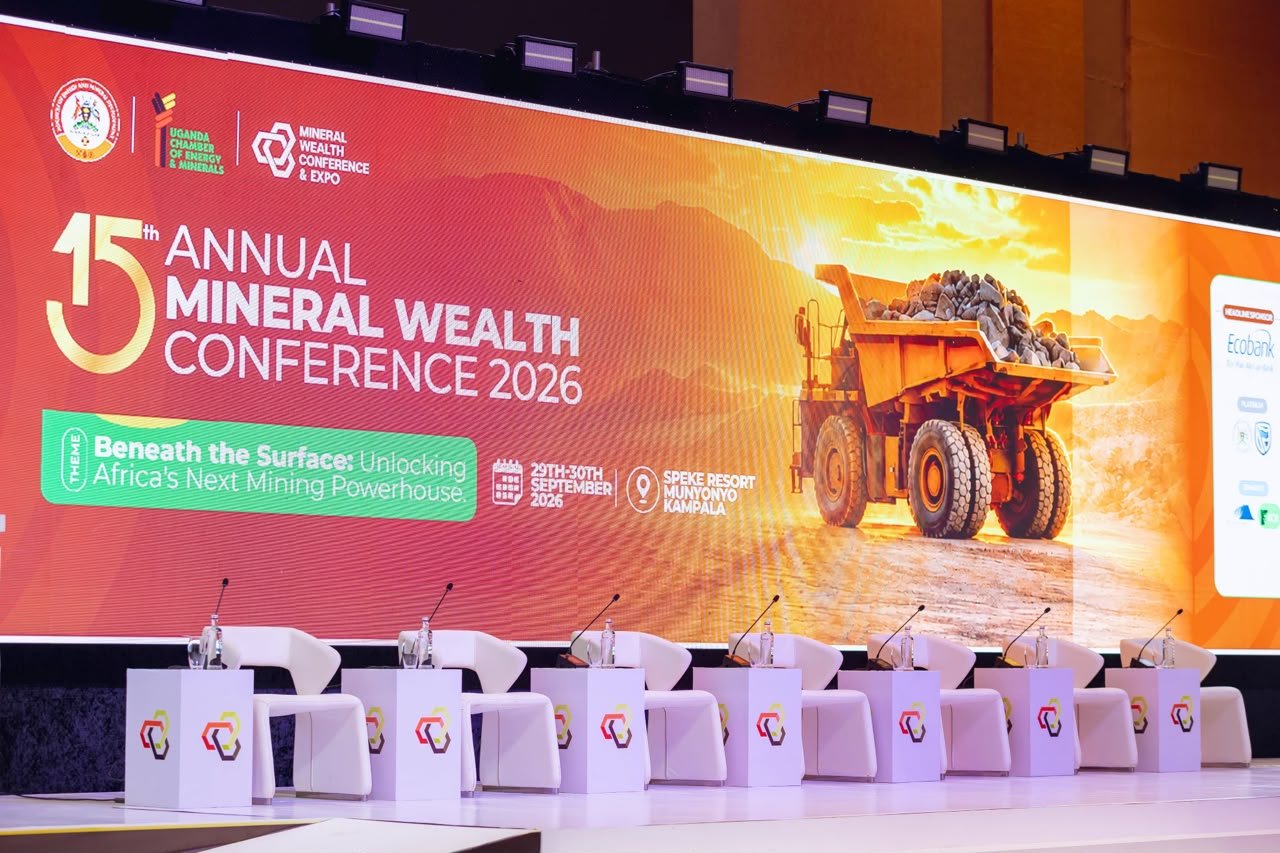
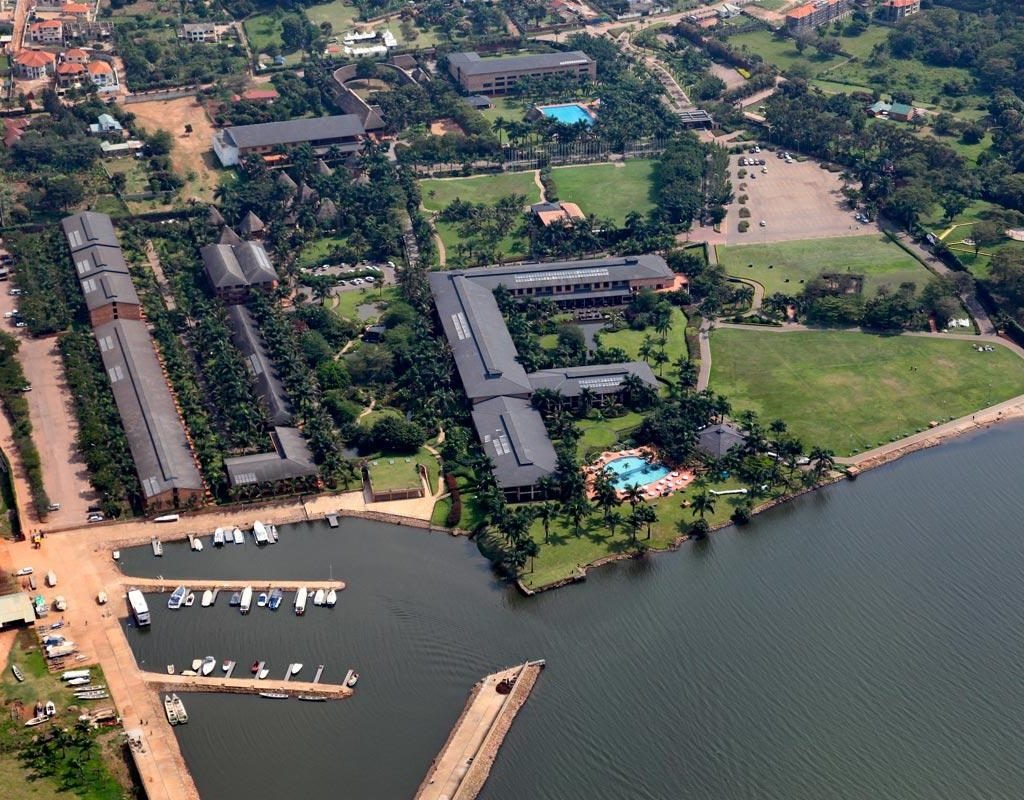
The evidence was on the shore of Lake Victoria at the end of September. Speke Resort Munyonyo took more than 1,500 delegates for the 15th Annual Mineral Wealth Conference and Expo, among them over 500 chief executives and participants from more than 50 countries. The official subject was mineral wealth. The unofficial subject was whether Kampala can hold a continental business crowd without the seams showing.
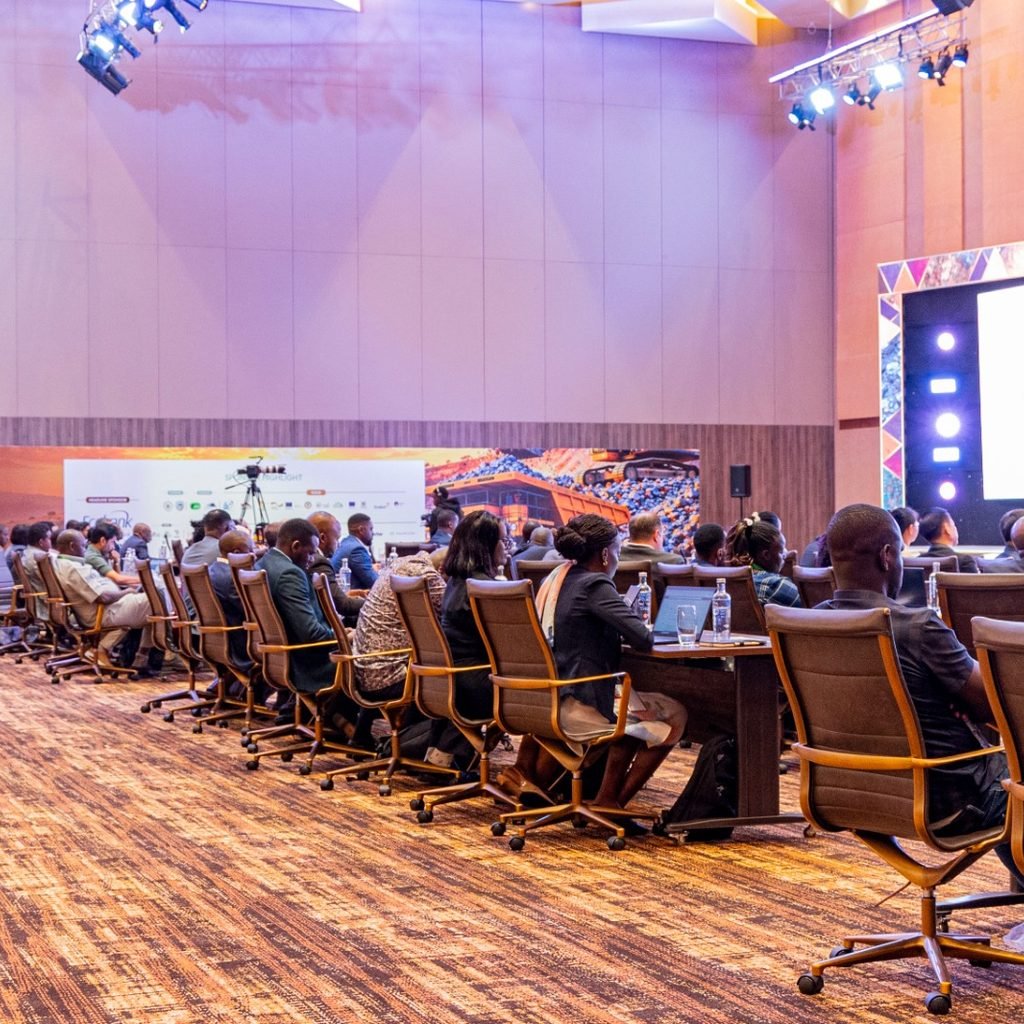
For two days the resort functioned as a temporary capital: rooms, halls, exhibition space, dinners, and the small army of drivers and technicians that a forum of this size silently requires. None of that appears in a safari brochure. All of it is purchased by people who entered the country on a business visa.
This is the unglamorous core of what the trade calls MICE, short for meetings, incentives, conferences and exhibitions, and what a more honest description would call tourism with a purpose.
Leisure travel sells a feeling. Conference travel sells a room that works, a timetable that holds and a city that does not embarrass the host. The visitor’s motive is different. His spending is not. Accommodation, food, local transport and the odd weekend excursion are the same line items, often at a higher nightly rate and in the shoulder months when the parks are quieter. A mining forum in late September is, from the hotel’s point of view, indistinguishable from a good week.
Uganda’s tourism authorities have started to say this out loud, which is the interesting part. The Uganda Tourism Board’s chief executive, Juliana Kaggwa, was among those who launched the country’s roadmap to host the Future Hospitality Summit Africa in 2027, again at Munyonyo. One gathering put investors in front of Ugandan hospitality. The next will put the hospitality industry in front of itself. The sequence is not accidental. If conferences are a product, the summit is both a booking and a showroom. Operators, investors and officials will judge the host while discussing the future of African hotels. A venue that can run a mining expo in 2026 and a hospitality summit in 2027 is no longer merely a backdrop. It is the offer.
The sharper test is what happens after the closing session. Conference organisers planned a three-day excursion into Eastern Uganda, from October 1st to 3rd, taking delegates to mining and mineral sites. For the geologists this is fieldwork. For the tourism economy it is the product being extended. A delegate who might have flown out on the evening of the 30th instead spends three more days on Ugandan roads, in Ugandan hotels, buying Ugandan meals. The excursion stitches a professional itinerary to a regional one. That is how business travel stops being a closed meeting and becomes a visit.
Countries that have made money from this, among them Singapore, Rwanda, South Africa and the Gulf cities, learned the lesson years ago. The conference is the hook. The margin is in the nights before and after, the dinner that is not on the programme, the spouse who comes along, the site visit that doubles as a tour. Africa’s share of that trade is still small, and Uganda’s smaller still. What it has, and what the Munyonyo fortnight displayed, is a single piece of infrastructure credible enough to be used twice for two different international audiences, plus a tourism board willing to claim the delegate as a visitor rather than apologise for him.
There is a marketing benefit that never shows up in a room-night tally. Fifteen hundred people from fifty countries leave with a view of whether the country can stage a serious event. Some of them allocate capital. Some of them only allocate a story: Kampala can do this. When the audience in 2027 is made up of people who build and buy hotels, the story and the investment case arrive together. Hosting is a form of advertising that runs while the sessions are in progress.
None of this displaces the parks. Wildlife remains the image most outsiders attach to Uganda, and rightly so. The bet is narrower and more commercial.
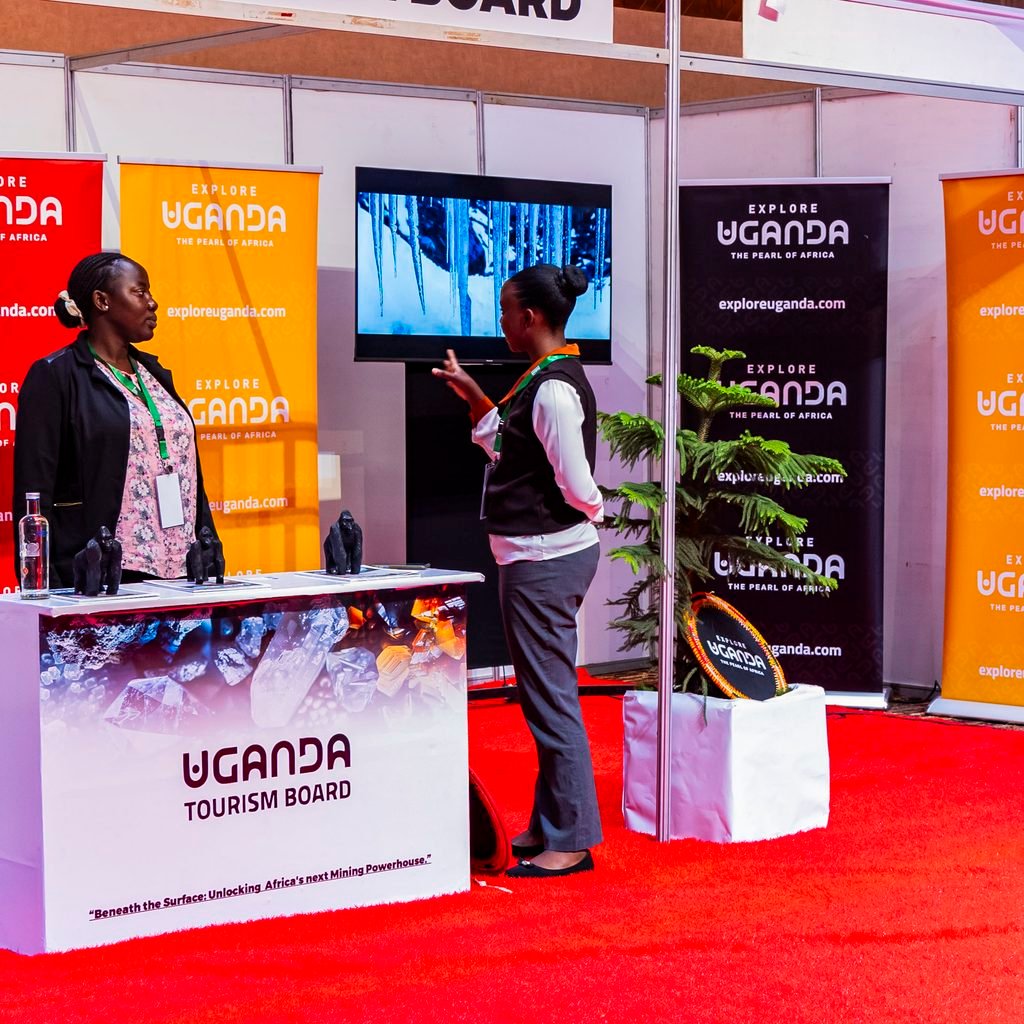
Add a second door. Let the first reason for entry be a forum, a summit, an exhibition. Then sell the rest of the country to someone who is already in it: the extra night, the eastern road, the lake at the end of the day. The delegate will continue to insist he is not a tourist. The invoice will disagree. Uganda, at last, appears ready to bill him accordingly.
