
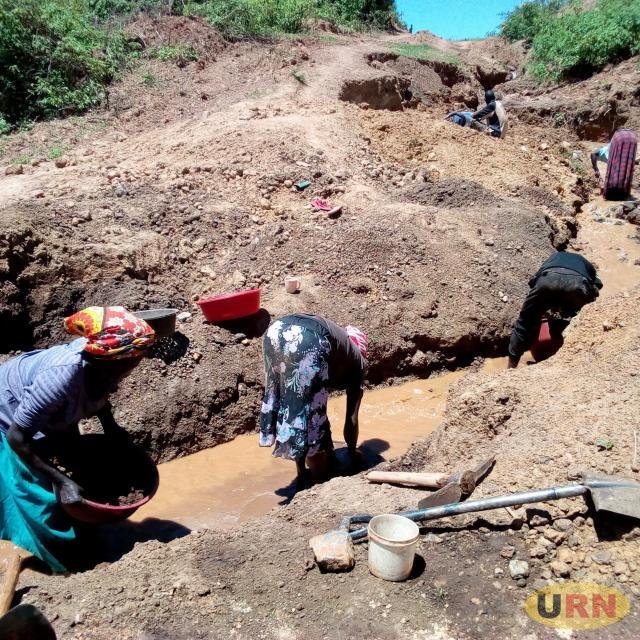
In the hills outside Busia, a woman kneels beside a shallow pit at first light, sifting gravel through a metal pan for flecks of gold. A few hours away, a young welder in Kasese waits on word of whether a revived copper operation might need hands like his. In Karamoja, a mother sends her son to a trading centre school built, in part, from revenue the district now collects from a nearby quarry. None of them own a mining licence, sit on a company board, or have ever set foot in a conference hall. Yet all three are living proof of something Uganda has spent years trying to prove: that mineral wealth, properly managed, does not have to stay buried in export statistics. It can turn into a classroom, a job, a road, a livelihood.
For years, much of that wealth has left the country raw, gold, iron ore, graphite and rare earth elements shipped out to be refined elsewhere, taking the best-paying jobs with them. That is slowly changing, as government and industry push harder for processing and manufacturing to happen inside Uganda rather than outside it, the kind of shift that turns a mine into a factory, and a factory into a payroll for the town around it. A processing plant does not just employ geologists and engineers. It employs drivers, caterers, electricians and the shopkeepers who set up stalls at the gate, families who have never held a mining licence in their lives but feel the difference in their weekly income all the same.
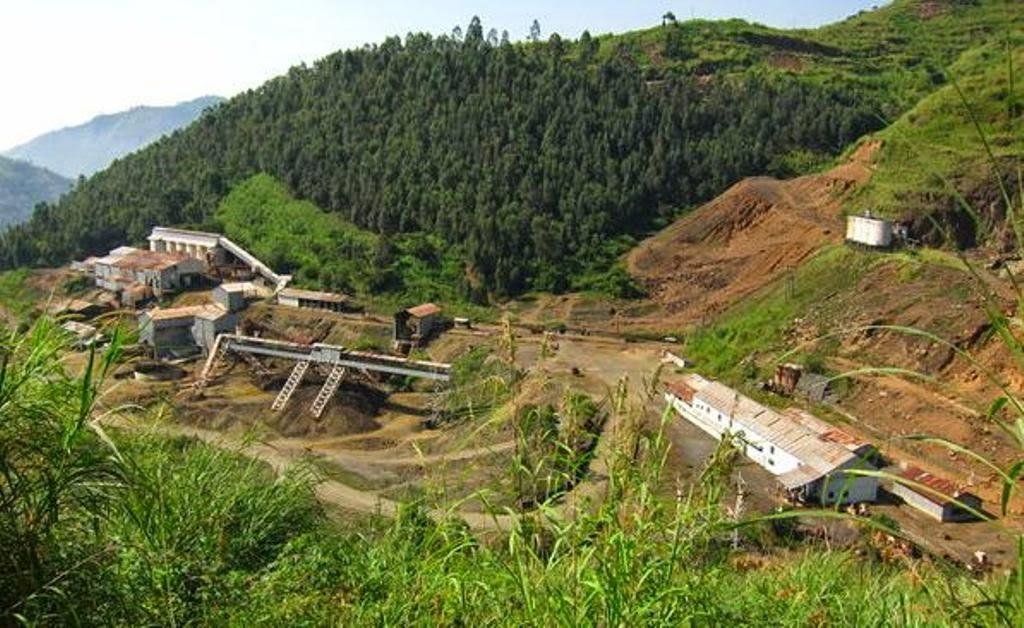
Uganda’s minerals sector still runs, in large part, on the labour of artisanal and small-scale miners, hundreds of thousands of them working gold sites in Busia and Mubende, tin and tungsten pits in the west, and quarries scattered across the country, work that has helped push Uganda’s refined gold exports to roughly four billion US dollars over the past year. A steady push toward formalisation, bringing these miners under licences, safety standards and fair pricing under the 2022 Mining Act, is slowly changing what that labour is worth. A licence means fairer buyers, protective equipment, and eventually credit from a bank willing to recognise mining as a real trade, the difference between an income that depends on a single lucky pan of gravel and a household with something steady to build on.
Mining investment rarely stays confined to a mine site. Roads built to move iron ore often become the same roads that carry produce to market and children to school, and revenue-sharing arrangements have already begun funding classrooms and health posts in districts near active quarries. Where those arrangements are enforced, a portion of a deal signed far away is contractually bound to reach the district it operates in, so that the benefit does not stop at the mine fence. Responsible mining practices matter for the same reason. Communities living closest to a mine site are the first to feel contaminated water, degraded farmland or an unsafe pit left behind, and it is their land, not a shareholder’s balance sheet, that carries the cost of getting it wrong.
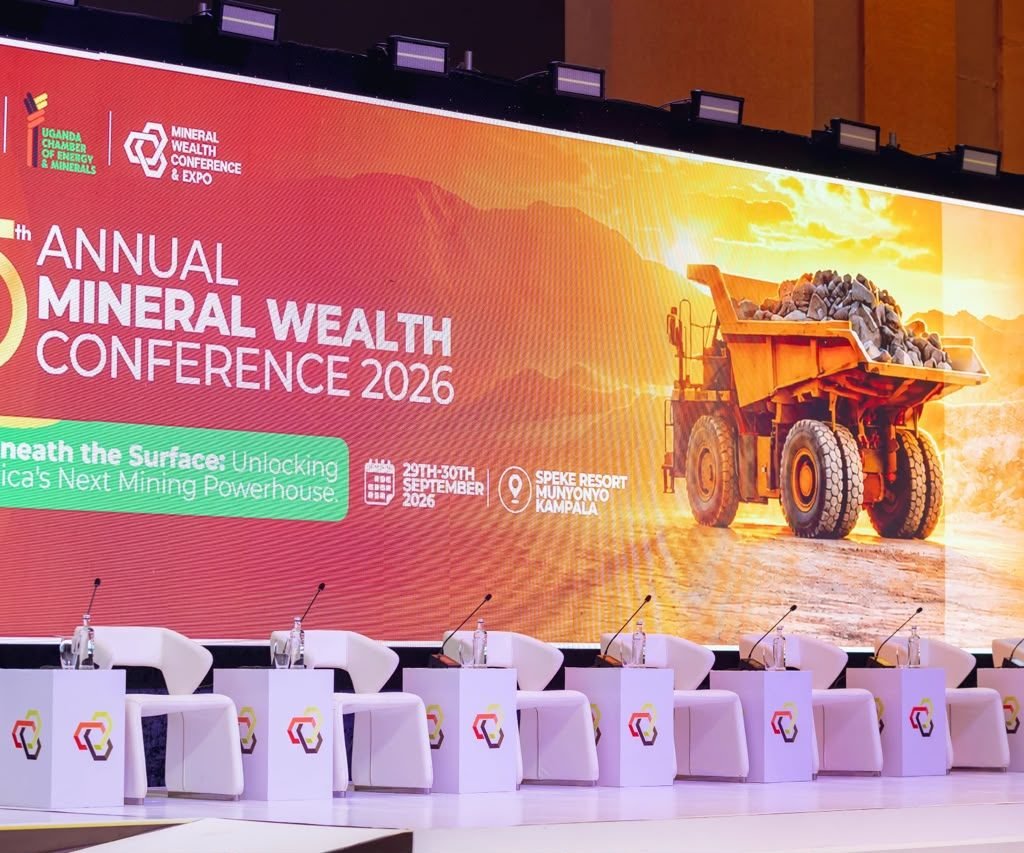
Much of this progress is being discussed at the 15th Annual Mineral Wealth Conference & Expo, opening on 29 and 30 September at Speke Resort Munyonyo under the theme “Beneath the Surface: Unlocking Africa’s Next Mining Powerhouse.” Organised by the Uganda Chamber of Energy and Minerals with the Ministry of Energy and Mineral Development, and expected to draw more than 1,500 delegates and over fifteen mining ministers from across the continent, the gathering is where much of this policy gets negotiated. But the conference itself is only a milestone, not the story.
The real measure of Uganda’s mineral wealth will not be counted in delegate numbers or exhibitor stalls. It will be counted in Busia, in Kasese, in Karamoja, in every household where what comes up from beneath the surface finally starts to show up above it, in a wage, a road, a school fee paid on time.
Register now at mwc.ucem.ug to be part of the conversation.
