
For years, the hardest part of travelling from Uganda to South Africa was not the flight to Johannesburg. It was the paperwork in Kampala. A South African visa meant assembling a stack of supporting documents, handing over your passport, paying a fee, and then waiting with no firm idea of when you would get it back. For a consultant called to a conference in Sandton at short notice, or a trader hoping to buy stock in Gauteng, that hassle was often enough to cancel the trip.
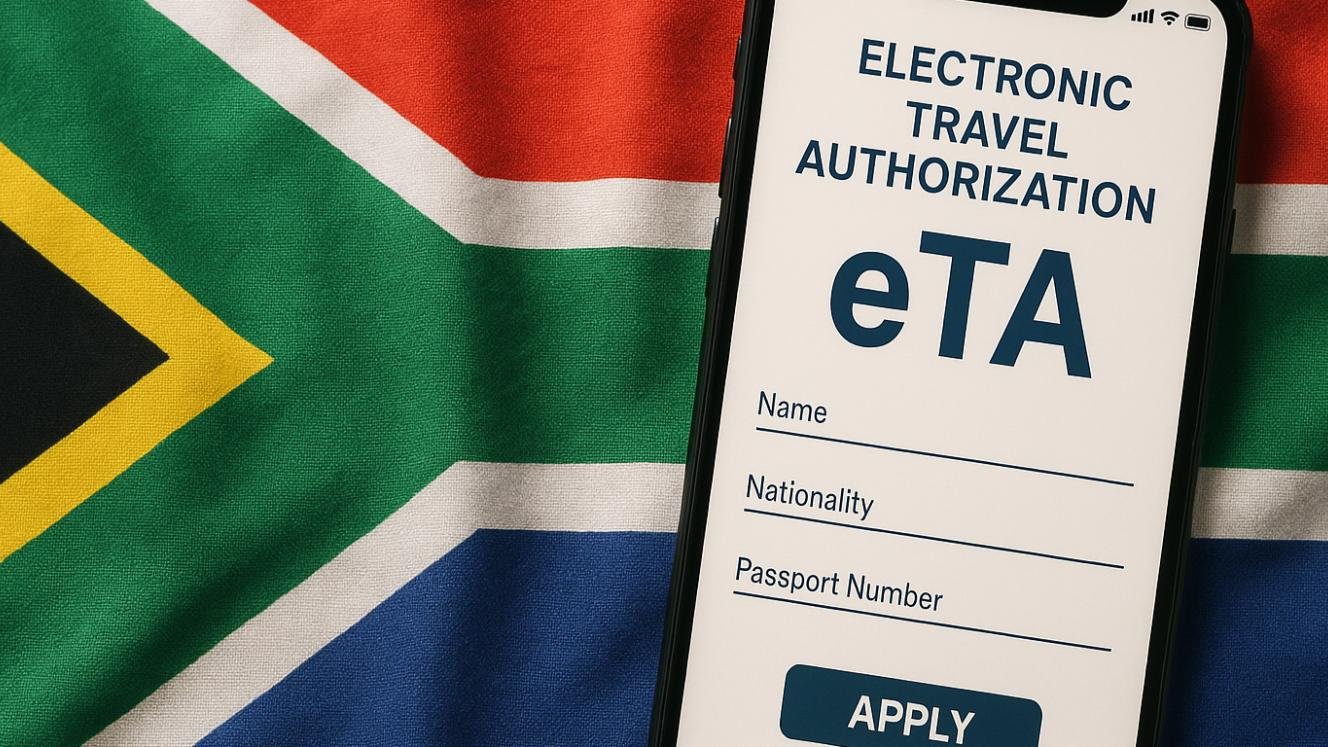
Pretoria now says it has a shortcut. The South African High Commission in Kampala has announced that Ugandan passport holders can apply for an Electronic Travel Authorisation (eTA) before travelling, following the extension of the scheme to Ugandan passports.
On paper, it sounds like a liberation. You apply online through the Department of Home Affairs portal, photograph your passport, take a live facial image for biometric matching and pay the fee. The authorisation is tied electronically to your passport, so there is no sticker to collect and no days spent without your travel document. The government has said it wants tourist applications processed digitally within 24 hours.
Before anyone celebrates, read the fine print. The eTA is not a guarantee of entry. The High Commission itself notes that approval does not automatically mean you will be let in, and the final decision still rests with the immigration officer you meet on arrival. Travellers who read “approved” as “guaranteed” may get an unpleasant surprise at the arrivals desk.
The scheme is also narrower than it first appears. It is built for short tourism and visitor trips. Stays are capped at 90 days, work and study are not allowed, and it applies only to ordinary passports. A Ugandan traveller whose trip falls outside those limits, such as a consultant heading to paid work, should confirm with the High Commission whether the eTA is the right route or whether a regular visa is still needed.
The reform also says more about South Africa’s economic ambitions than about any new warmth toward Kampala. The eTA is part of Pretoria’s push for a digital-first border system. The government has said that, over time, it will replace paper-based visas, with biometric checks at the border confirming that the person arriving is the person who applied. It is border management dressed as customer service.
The commercial logic is hard to argue with. South Africa badly needs the foreign exchange that tourism and short-term travel bring in. A system that can approve a Ugandan wedding guest or medical visitor within hours is a far better advertisement for the country than a queue that drags on for weeks. The scheme began in October 2025 with visitors from China, India, Indonesia and Mexico and has been widening in phases since. President Cyril Ramaphosa said in his 2026 State of the Nation Address that the government intends to extend it to every country whose citizens need visas. Uganda’s inclusion is part of that widening, not a one-off favour.

For Uganda’s economy, the shift is mostly good news, provided the portal works as promised. South Africa is a key hub for regional trade, specialist medical care and professional services, and many Ugandan businesses depend on quick access to it. Swapping a physical appointment for a smartphone scan takes real friction out of the process. Corporate travel desks can plan with more confidence, and small traders spend less time on logistics.
But a digital system brings its own pitfalls. The processing fee is R500, which Home Affairs formally adopted in August. Public information on refunds is thin, so treat the fee as money you may not get back if an application fails. The 24-hour window is a target, not a legal guarantee, so anyone who buys a non-refundable airline ticket before the approval lands is gambling. Something as small as a badly lit selfie or a typo that does not match the passport scan can cause delays. In the old system, an applicant could sort that out with a short chat at the visa centre. Now the conversation is with a portal that does not negotiate.
So what should a sensible traveller do? Apply early, well before you book anything you cannot cancel. Use a clear, well-lit photo and check every detail against your passport before you submit. Confirm that you will enter through one of the airports approved for eTA travel, since the scheme does not cover every port of entry. And keep a printed or saved copy of your approval, because a dead phone battery at the airport is nobody’s idea of a smooth journey.
Then there is the old reality of border control. Expect to show proof of funds, a return or onward ticket and accommodation details, and, where it applies, a yellow fever vaccination certificate. An officer who is not satisfied can still turn you around, eTA or not.
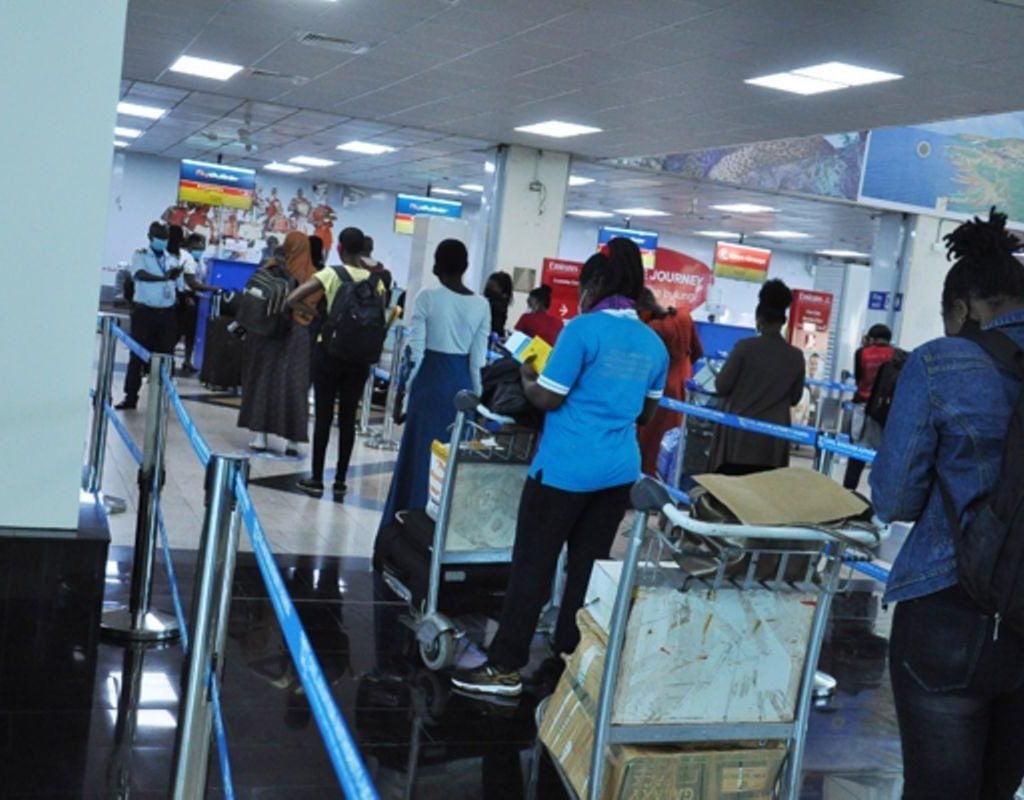
In the end, South Africa has moved the waiting room from a consular office in Kampala to the phone in a traveller’s pocket. For the genuine visitor, that is a welcome speed-up. The barrier to entry, however, is still there. It has just gone digital.
