
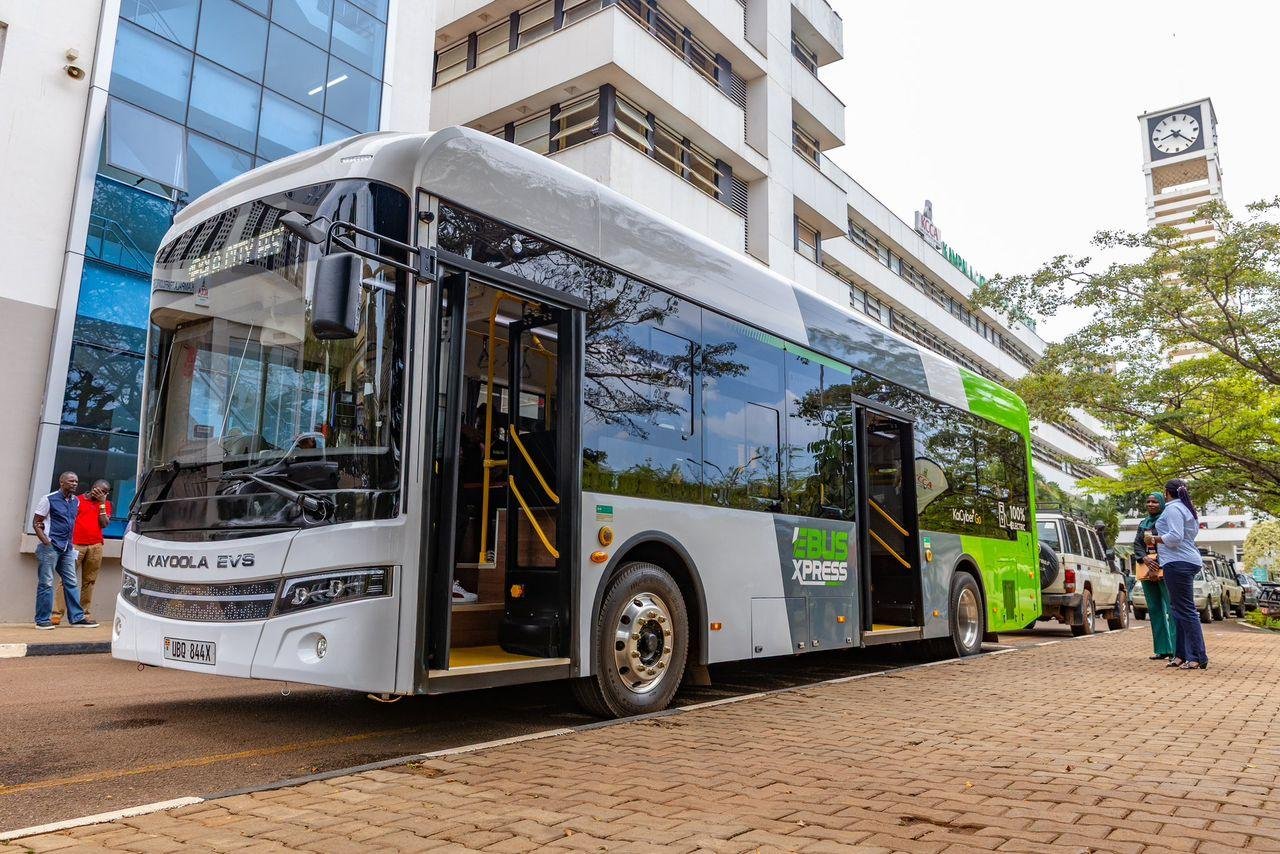
Parliament’s Committee on Commissions, Statutory Authorities and State Enterprises (COSASE) has resolved to summon Science, Technology and Innovation Minister Dr Monica Musenero over her reported 98% beneficial ownership in E-Bus Express Kiira Ltd, the company operating 46 electric buses manufactured by state-owned Kiira Motors Corporation (KMC).
The decision followed a heated committee sitting on 16 November 2026, during which lawmakers questioned KMC Chief Executive Officer Paul Isaac Musasizi about the ownership structure, legal authorisation and financial arrangements governing the commercial operation of the state-manufactured buses.
Chaired by Kyadondo East MP Muwada Nkunyingi, the committee sought explanations on how public assets came to be operated through a company in which a senior government official reportedly holds a dominant beneficial interest.
“We want to know where the money goes,” Nkunyingi told KMC executives during the hearing. “We also want to see any documented resolution from Kiira Motors allowing her to own all the shares. Did you consult the Attorney General or not?”
Under questioning, Musasizi acknowledged that KMC had not consulted the Attorney General regarding the beneficial ownership arrangement. COSASE subsequently resolved to summon Musenero and officials from the Uganda Registration Services Bureau (URSB) to provide explanations about the company’s incorporation, shareholding structure and authority to operate the fleet.
The committee’s inquiry comes six months after E-Bus Express, also known as E-Bus Xpress (EBX), commenced commercial commuter operations in Kampala on 3 May 2026, deploying locally manufactured Kayoola electric buses.
The ownership questions emerged just days after Musenero took a demonstration ride on one of the electric buses on 12 November, as part of efforts to promote Uganda’s electric mobility ambitions.
Beyond the reported 98% beneficial ownership, MPs also questioned the production costs of the locally assembled buses and demanded accountability for revenue generated through passenger fares. They want to establish how the commercial operator accounts for earnings from the fleet and whether KMC receives an appropriate return on the public investment used to manufacture the buses.
The inquiry raises broader questions about the commercial arrangements between state-owned manufacturers and private operating companies, particularly where public resources are deployed through privately structured businesses.
For KMC, the questions extend beyond ownership to the financial sustainability of its manufacturing operations. The government has invested public resources in developing a domestic automotive industry, making the commercial returns from assets produced by the corporation an important part of assessing its performance.
The unresolved questions also carry implications for private investment in Uganda’s electric mobility sector. Investors and lenders considering financing charging infrastructure, fleet expansion and other e-mobility projects require clarity on asset ownership, operating agreements and revenue-sharing arrangements.
COSASE is expected to examine the company’s certified incorporation records, beneficial ownership disclosures, relevant KMC board resolutions and financial records to establish the legal and commercial basis of the arrangement.
The appearance of Musenero and URSB officials is expected to provide further clarity on how E-Bus Express was incorporated, the reported ownership structure and the arrangements under which it operates the 46 buses.
