
As the US dollar continues to strengthen and geopolitical tensions unsettle global markets, many emerging economies have watched their currencies come under intense pressure. Across Africa, countries such as Ghana and Egypt have experienced significant currency depreciation, rising inflation and growing pressure on foreign exchange reserves.
Uganda has not been immune to these global headwinds. Strong demand for the US dollar from importers, multinational companies repatriating profits and rising global uncertainty have all increased pressure on the Uganda shilling.
Yet despite these challenges, the shilling has remained relatively resilient compared to many of its regional peers.
According to the Bank of Uganda’s June 2026 State of the Economy Report, the Uganda shilling depreciated by just 3.0 percent against the US dollar on a year-on-year basis by May 2026, 4.7 percent quarter-on-quarter and 1.3 percent month-on-month. That relatively modest decline reflects more than favourable market conditions. It is the result of deliberate monetary policy and a strategy designed to strengthen Uganda’s external position before commercial oil production begins.
At the centre of that strategy are two key pillars: building international reserves and accumulating domestically produced gold.
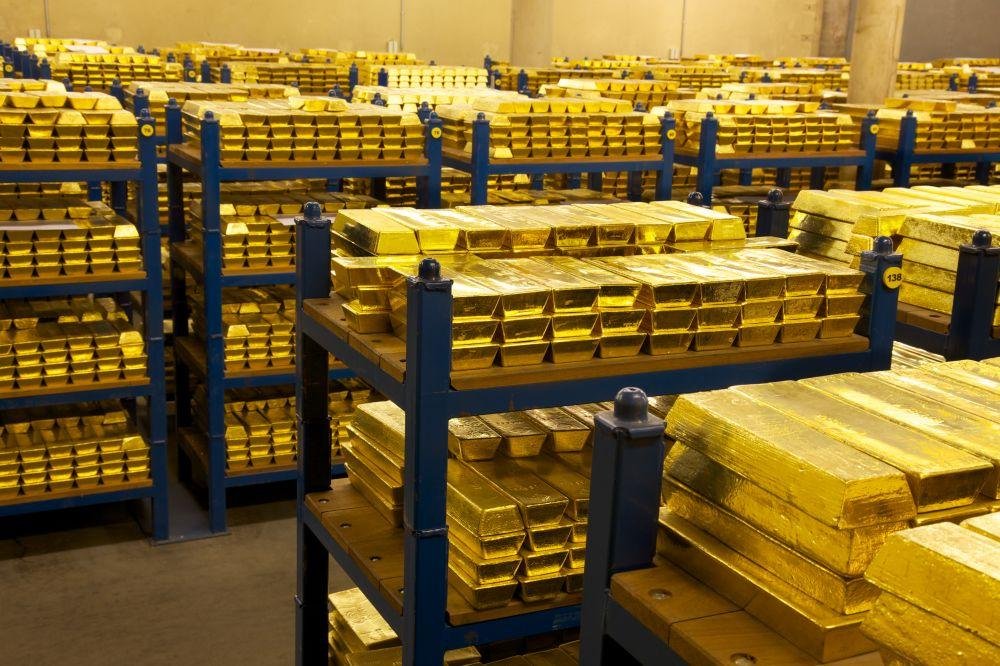
One of the most significant policy shifts came through the Bank of Uganda’s Domestic Gold Purchase Programme. Rather than purchasing gold on international markets using scarce foreign currency, the central bank has begun buying gold directly from licensed local miners and paying for it in Uganda shillings.
The programme, which began pilot transactions in April 2026, allows the central bank to increase its gold reserves without reducing its stock of US dollars. Once refined to international monetary standards, the gold becomes part of Uganda’s reserve assets alongside foreign currencies.
The approach serves several purposes. It diversifies the country’s reserve portfolio beyond traditional foreign currencies, strengthens confidence in Uganda’s financial position and supports the formalisation of the country’s growing gold sector.
Uganda’s gold industry has expanded rapidly in recent years. Gold exports reached approximately US$5.8 billion in 2025, representing a 76 percent increase from the previous year. By purchasing gold directly from licensed miners under strict compliance requirements, the central bank is also encouraging greater transparency and traceability within the industry.
Gold, however, is only part of the story.
The second pillar of the strategy has been the accumulation of foreign exchange reserves.
By the end of April 2026, Uganda’s foreign exchange reserves had risen to US$6.1 billion, up from US$4.0 billion a year earlier. This represents one of the strongest reserve positions the country has recorded in recent years.
These reserves act as a financial buffer against external shocks. They provide the central bank with the capacity to meet import obligations, support the exchange rate during periods of volatility and reassure investors about Uganda’s ability to meet its external financial commitments.
Unlike some central banks that rapidly spend reserves defending their currencies, the Bank of Uganda has taken a more measured approach.
The Central Bank Rate has been maintained at 9.75 percent while the Cash Reserve Requirement for commercial banks was increased from 9.5 percent to 11 percent. These measures help absorb excess liquidity within the banking system, reduce inflationary pressures and discourage speculative attacks on the shilling.
Together, tighter monetary policy, stronger reserves and gold accumulation have created multiple layers of protection for the local currency.
The timing of these measures is particularly significant.
Uganda is approaching one of the biggest structural changes in its economic history as commercial oil production draws closer.
Major upstream projects continue progressing, with the Tilenga development moving toward completion, Kabalega International Airport reported at about 96 percent completion and the East African Crude Oil Pipeline reaching approximately 84 percent completion by the end of April 2026.
Once commercial oil production begins, Uganda expects to generate substantial foreign exchange earnings from crude exports. Those inflows are expected to improve the country’s balance of payments, reduce pressure on the current account deficit and provide an additional source of foreign currency entering the economy.
The current account deficit had already narrowed to US$3.16 billion in the year ending April 2026 as major oil infrastructure imports began slowing. Oil exports are expected to improve that position further by increasing export revenues while reducing dependence on external financing.
For investors, the strategy sends an important signal.
A combination of growing international reserves, expanding gold holdings and future oil revenues strengthens Uganda’s macroeconomic fundamentals. It improves reserve adequacy, enhances confidence in the country’s ability to service external obligations and reduces vulnerability to global financial shocks.
It also reflects a broader shift among resource-rich African economies seeking to diversify reserve assets and reduce dependence on traditional foreign currencies.
While challenges remain, including global market volatility, fluctuating commodity prices and continued demand for foreign exchange, Uganda enters the oil production era from a considerably stronger position than it might otherwise have done.
Rather than waiting for oil revenues to stabilise the economy, the Bank of Uganda has spent the past year building the financial buffers needed to protect the shilling before first oil arrives.
In doing so, the central bank is not simply defending the currency against today’s global uncertainty. It is positioning Uganda to enter its next phase of economic development with stronger reserves, greater financial resilience and a more stable macroeconomic foundation.
