
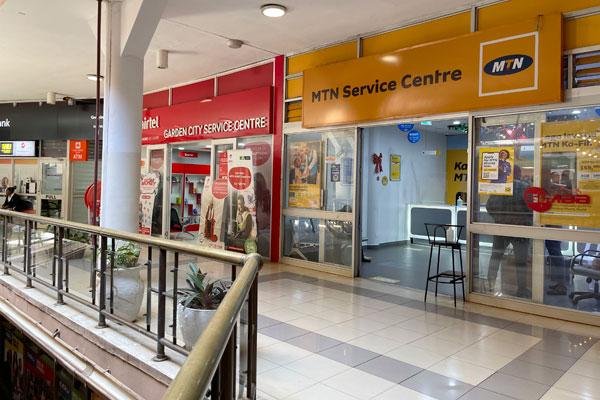
Every day, millions of Ugandans rely on their phones for more than calls and texts. They send money, pay bills, run businesses, and access the internet, all through networks controlled almost entirely by two companies: MTN Uganda and Airtel Uganda.
Uganda has licensed several telecom operators over the years, yet the market remains overwhelmingly dominated by these two giants. According to Uganda Communications Commission market reports, mobile subscriptions have grown to more than 47 million. MTN Uganda controls about 54 percent of connections, roughly 24 million subscribers, while Airtel Uganda holds close to 45 percent. Every other operator combined shares less than 1 percent of the market.
This isn’t just a story about limited competition. It’s a story about scale, and how scale becomes a self-reinforcing advantage.
The Money Behind the Dominance
Telecommunications is one of the most capital-intensive industries in the world. Companies must constantly invest in network equipment, spectrum, fibre, technology upgrades, and nationwide coverage. MTN and Airtel operate at a financial level smaller competitors simply cannot match.
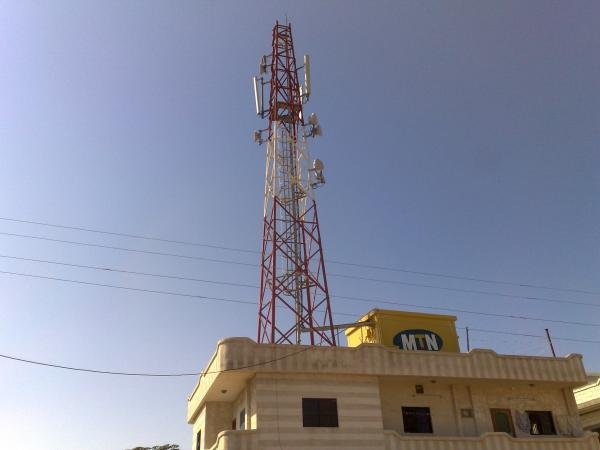
MTN Uganda reported service revenue of around UGX 3.6 trillion, backed by strong profitability and continuous network investment. Airtel Uganda generated about UGX 2.23 trillion, holding firm as the country’s second largest operator.
These figures explain why breaking into Uganda’s telecom sector is so difficult. A new entrant isn’t just competing for customers. It must fund infrastructure, marketing, regulatory compliance, and service quality while starting from zero. Meanwhile, large operators spread their infrastructure costs across millions of users, letting them invest more aggressively than anyone trying to catch up.
Mobile Money Changed the Game
The biggest shift in Uganda’s telecom industry hasn’t been about calls or texts. It’s been the rise of mobile money.
What started as a simple way to send cash has become part of the country’s financial backbone, powering business payments, school fees, utility bills, and everyday purchases. MTN MoMo alone processed close to 5 billion transactions valued at approximately UGX 195.5 trillion, supported by more than 241,000 active agents and over 114,000 merchants.
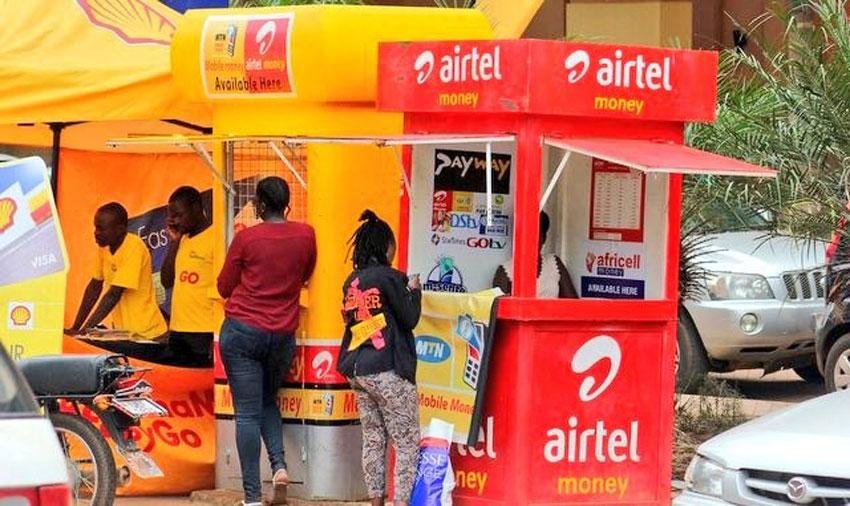
This changes what customers are actually choosing when they pick a network. It’s no longer just about airtime and data. It’s about access to an entire financial ecosystem of agents, merchants, and payment tools woven into daily life. For smaller operators, competing on price alone isn’t enough anymore. They need a financial platform people can’t easily walk away from.
Why People Don’t Switch
Telecom markets thrive on network effects. A service becomes more useful the more people use it. If your family, friends, and business contacts are all on MTN or Airtel, switching networks becomes inconvenient, even when a cheaper option exists.
Mobile Number Portability lets Ugandans switch networks while keeping their numbers, but adoption has stayed low. Many people carry multiple SIM cards, yet their primary line usually stays tied to MTN or Airtel because of mobile money access, coverage, and long standing business relationships.
Infrastructure Isn’t the Only Barrier
Building a telecom network today involves more than towers. It requires spectrum access, technology partnerships, and distribution networks. Many towers in Uganda are owned by independent companies, such as American Tower Corporation, which lease space to operators. MTN and Airtel have also entered network sharing arrangements to expand coverage more efficiently, especially in costly areas.
But shared infrastructure doesn’t remove the deeper barriers new entrants face. Africell exited the Ugandan market after struggling to grow against better funded rivals. Smile Communications focused on data but couldn’t build the customer scale needed to compete broadly. LycaMobile has offered competitive pricing but faces limits around coverage and mobile money integration. Uganda Telecom now leans toward government and institutional contracts rather than chasing mass market dominance.
The lesson across all of them is the same: cheap prices alone don’t win customers. Reliability, coverage, and ecosystem convenience matter more.
The Cost of Staying on Top
Telecom operators are also among the country’s largest taxpayers, facing VAT, excise duties, corporate taxes, licensing fees, and contributions to national connectivity programs. MTN Uganda alone has invested hundreds of billions of shillings into network expansion and technology while meeting these obligations.
For companies with millions of subscribers and steady cash flow, these costs are manageable. For smaller operators, the same requirements can be crushing.
What Comes Next

The next real threat to MTN and Airtel’s dominance may not come from another traditional telecom company at all. Satellite internet providers like Starlink are introducing new ways to deliver connectivity without relying on traditional towers. Fintech companies could also reshape how people access digital payments, potentially weakening mobile money’s grip as a retention tool.
MTN and Airtel didn’t just build phone networks. They built digital ecosystems that millions of Ugandans now depend on for money, business, and daily life. That’s the real source of their dominance, and it’s also where the next battle for Uganda’s digital economy will be fought.
