
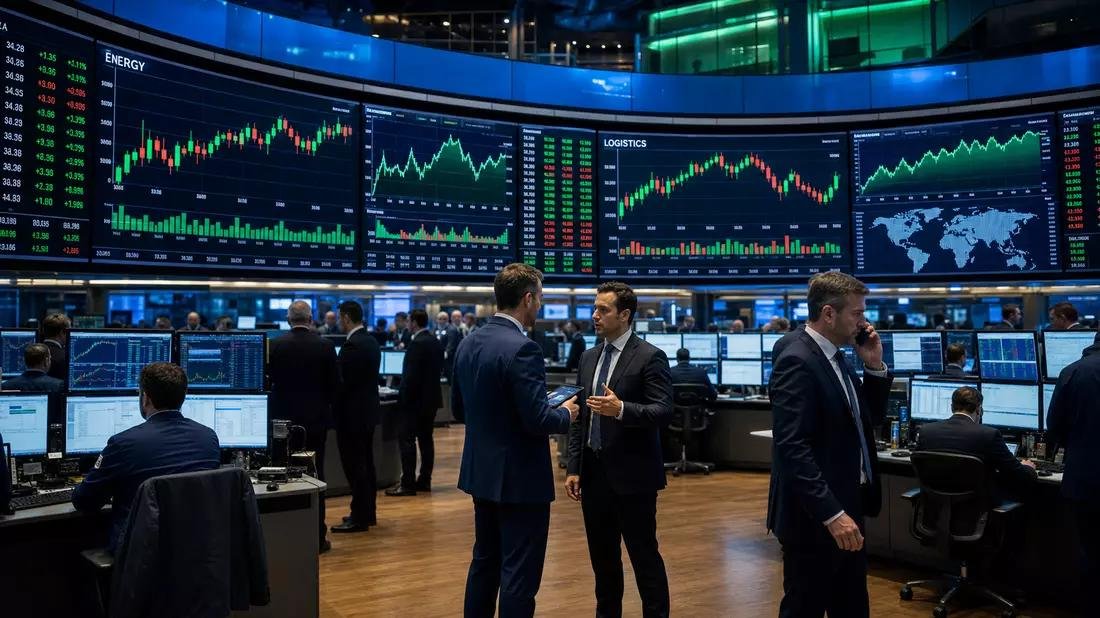
The global economy is entering a new phase. Across financial markets, interest rates, supply chains and workplaces, businesses are facing tougher conditions than they did during the post-pandemic boom.
Shein’s planned Hong Kong listing, the Federal Reserve’s divided interest-rate decision and the return of stricter office rules may appear to have little in common. But they all point to the same broader trend: the world is repricing risk.
Capital is becoming more expensive. Investors are becoming more cautious about companies with uncertain future profits. Regulators are demanding greater accountability. Employers are gaining more power as labour markets become less favourable to workers. At the same time, companies are redesigning supply chains to focus not only on low costs, but also on resilience, compliance and geopolitical risks.
Shein and the End of Cheap Globalisation
Shein is at the centre of many of these changes.

The Singapore-based fast-fashion company plans to launch its long-awaited Hong Kong IPO as early as August 19, with a target valuation of between $30 billion and $40 billion, according to Reuters.
Even at $40 billion, that would represent a major decline from Shein’s peak private valuation of $98.2 billion in 2022. Its valuation later fell to around $64 billion in 2023 and again in April 2024.
Tariffs alone do not explain the decline.Shein built its business around cheap manufacturing, rapid production, fast inventory turnover and low-cost shipping directly to consumers. But that model is becoming more difficult.
The United States has removed the de minimis duty exemption for small packages, increasing costs for companies that depend on low-value direct shipments. Shein is also facing greater competition and increased scrutiny in Europe and the United States. Reuters has reported that the company recently recorded a quarterly loss of $99 million.
Regulation is adding further pressure. The European Commission opened formal proceedings against Shein under the Digital Services Act in February 2026 over concerns including addictive platform design, recommendation systems and the sale of illegal products.
There are also growing concerns about labour conditions, supply-chain transparency, human rights, environmental standards and data protection.
The bigger issue is that the economics of globalisation are changing.
For years, companies benefited from producing goods as cheaply as possible and moving them across borders quickly. Today, businesses must also consider tariffs, labour standards, environmental rules, data protection, customs enforcement and geopolitical risks.
These additional costs can change how investors value a company.
Higher Interest Rates Change Everything
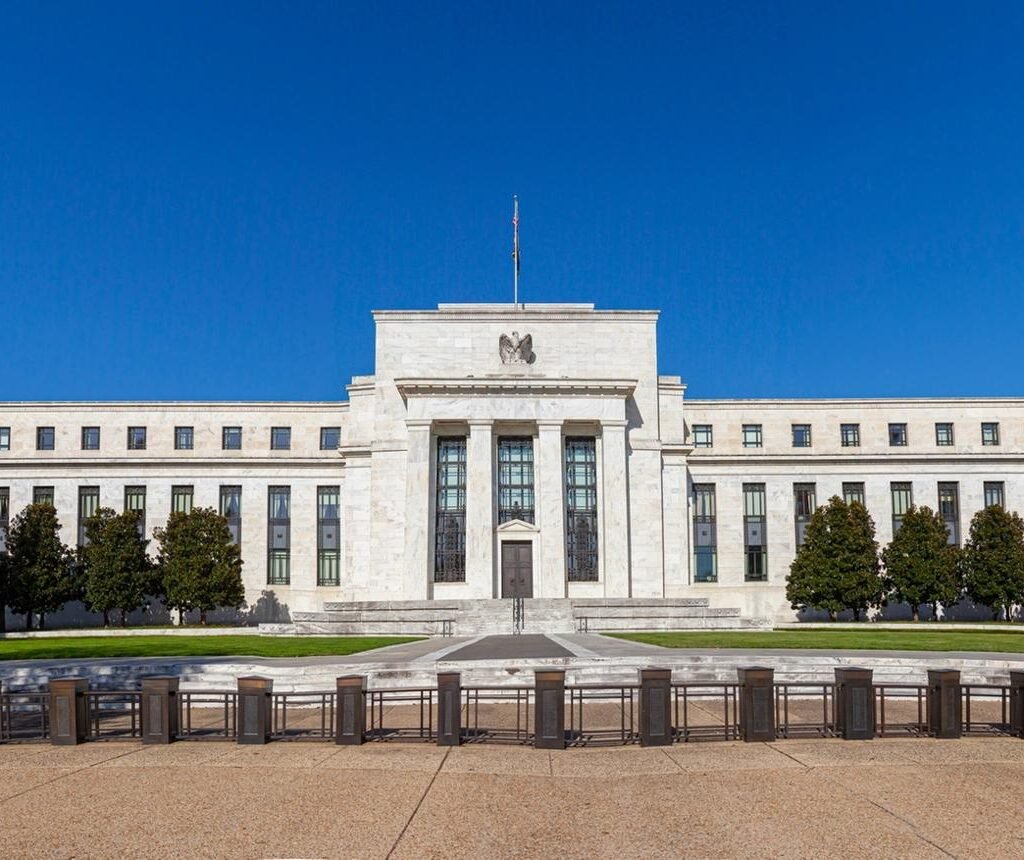
Interest rates are another important part of this shift.
When rates were close to zero, investors were willing to pay high prices for companies whose biggest profits were expected many years into the future. With low interest rates, those future profits were considered more valuable today.
That calculation changes when interest rates rise.
The Federal Reserve currently maintains its target interest-rate range at 3.5% to 3.75%. Its July 29 decision was approved by a divided 9-3 vote.The important issue is not only whether the Fed raises rates again. It is the broader cost of capital.
When investors can earn relatively attractive returns from lower-risk assets, they become less willing to pay very high prices for companies whose profits may come five or ten years from now.
This creates a double challenge for companies such as Shein. Growth expectations may be lower, while the higher interest-rate environment also reduces the value of future profits.
That helps explain why Shein’s proposed $30 billion to $40 billion valuation is so far below its $98.2 billion peak. Investors are reassessing both how much the company can earn and how much they are willing to pay for those earnings.
Private Credit Faces the Same Test
The same repricing is happening in private markets.
The private-credit market is estimated at about $1.3 trillion and is now receiving greater attention from regulators, including the Federal Reserve Banks of New York and Dallas.
Some investors trying to exit private-market funds early have reportedly been offered discounts of between 15% and 30%. Some major private-credit managers have also reported weaker performance and declining asset values.
This does not mean private markets are collapsing. It means that liquidity is becoming more expensive and investors are becoming more demanding.
During the easy-money era, investors could tolerate businesses taking years to become profitable. Today, they increasingly want strong cash flow, manageable debt, operating efficiency and a clear path to returns.
The Workplace Is Changing Too
The labour market is undergoing a similar adjustment.
During the pandemic, workers gained significant bargaining power because companies faced labour shortages and had to compete aggressively for talent. Remote work also gave employees greater flexibility.
That balance is now changing.
Artificial intelligence is reshaping white-collar jobs, while employers are placing greater emphasis on productivity, attendance and accountability.
This helps explain the return of stricter office policies and more formal workplace expectations.
It is not simply about fashion or younger workers suddenly preferring formal clothes. It is also about bargaining power. When workers are scarce, employees have more leverage. When hiring slows, employers have more choices and greater ability to determine how and where work is done.
A More Selective Economy
The same discipline is affecting corporate investment.
Companies are increasingly asking tougher questions before spending money.
Will this investment generate revenue? Can the company afford its debt if interest rates remain high? Can its supply chain survive changes in trade policy? Is its data infrastructure compliant? Is the business prepared for AI-driven changes in employment?
These questions were easier to postpone when money was cheap and abundant. They are much harder to ignore today.
This does not mean growth is ending. Investors are still putting large amounts of money into areas such as artificial intelligence and other sectors with strong long-term potential. TPG, for example, reported $76.2 billion in available capital at the end of its latest quarter.
The difference is that investors are becoming more selective. Capital is increasingly flowing toward companies with strong balance sheets, convincing growth and clear paths to returns.
Why This Matters for Uganda
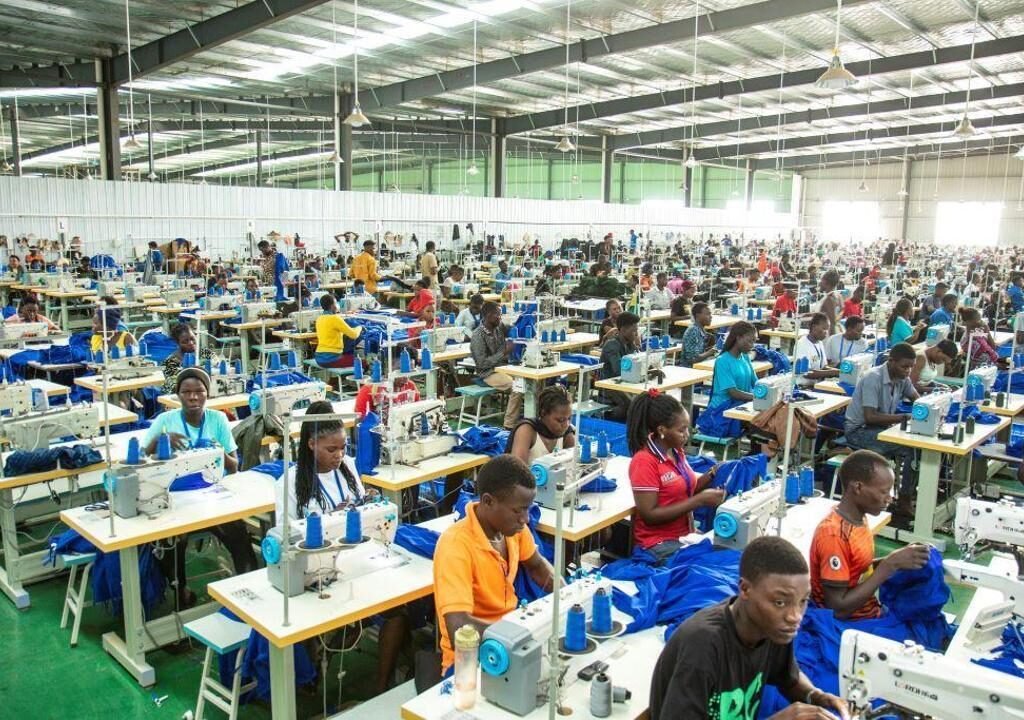
For emerging markets such as Uganda, these changes matter.
Higher global interest rates can increase the cost of borrowing. Changes in global supply chains can affect exports and imports. Greater regulatory requirements can make it more difficult for businesses to access international markets and investment.
At the same time, there are opportunities in areas such as technology, infrastructure and manufacturing where investors see long-term productivity gains.
The global economy is therefore not simply becoming more difficult. It is becoming more selective.
The companies and economies that perform best will be those that can demonstrate resilience, manage higher financing costs, meet stronger regulatory requirements and adapt to a more fragmented global trading system.
Shein’s Hong Kong listing will provide an important test of how investors value a major consumer platform in this new environment.
The bigger question is one that businesses, investors and governments are increasingly having to answer:
How much growth is worth paying for when risk has a price again?
