
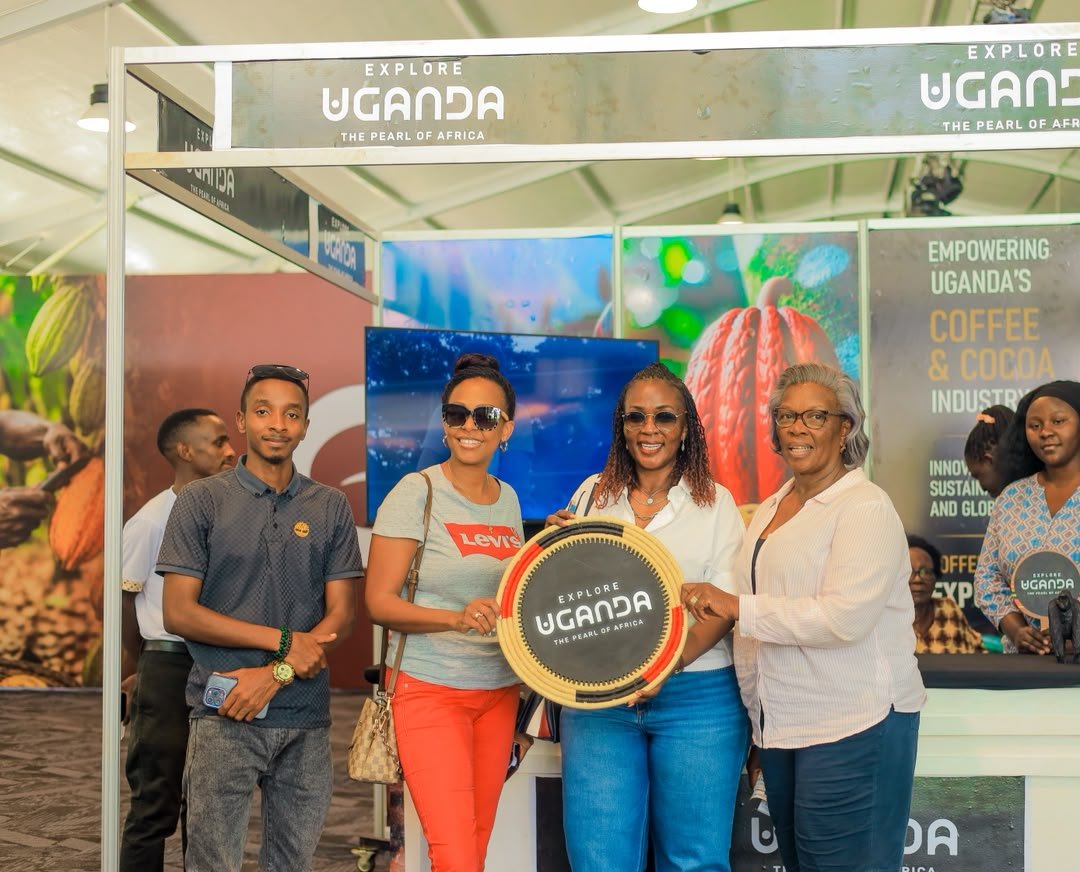
For centuries, Uganda’s coffee and cocoa have traveled across the world. Beans have moved to Asia, Europe, North America and the Middle East, generating value far beyond the farms where they were grown. Yet the stories behind those products have rarely traveled with them. Uganda’s coffee has often been reduced to an anonymous “African” or “East African” commodity, while its cocoa has been valued largely for its commercial qualities rather than the landscapes, communities and heritage behind it.
The Uganda Coffee & Cocoa Expo 2026 marked a deliberate attempt to change that.
What began as a trade event evolved into a broader strategy to position coffee and cocoa not only as agricultural exports, but as cultural assets and tourism products. The goal is to ensure that Uganda has greater ownership of the stories attached to its products, connecting them to the country’s landscapes, communities, heritage and wider destination brand.
This matters because the value of a commodity is increasingly shaped by the story surrounding it.
Reclaiming the Story Behind the Commodity
Uganda produces coffee, but much of the global story around coffee is controlled elsewhere. International roasters, retailers and brands often determine how Ugandan coffee is presented to consumers and where its value sits within the global market.
The same dynamic applies to cocoa. Uganda may produce the raw material, but much of the premium storytelling associated with chocolate happens after the product leaves the country.
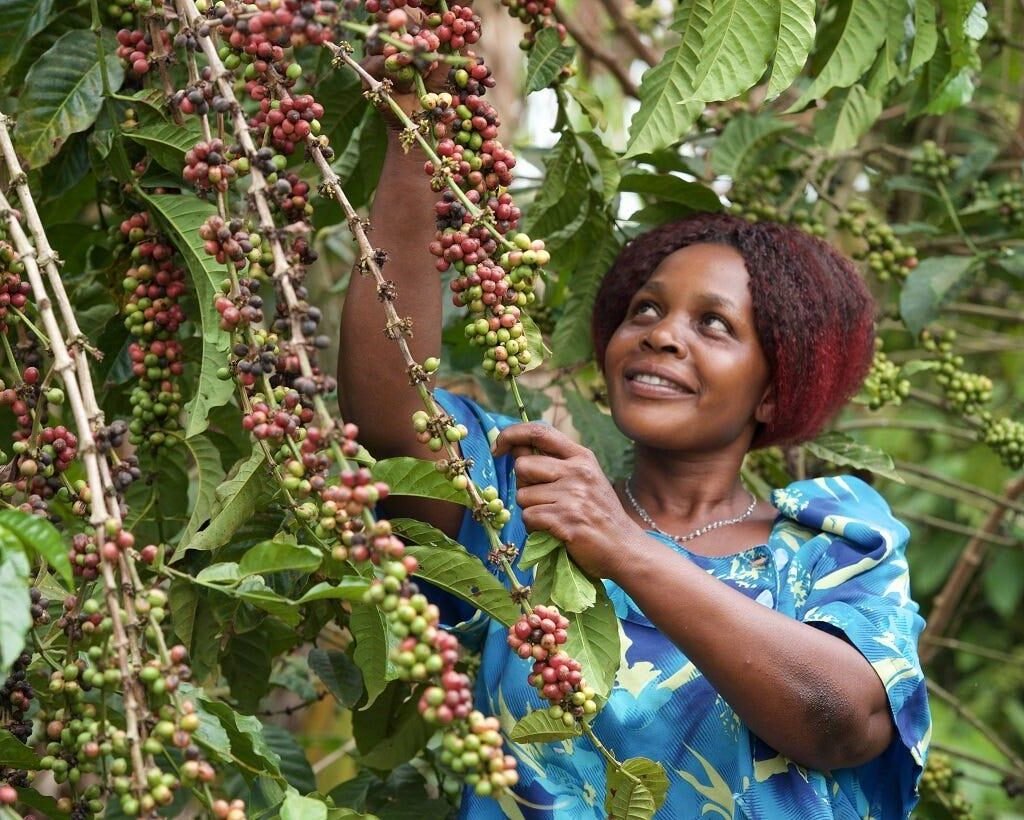
The Expo’s approach challenges that model by connecting coffee and cocoa directly to Uganda’s tourism identity. Francis Nyende, Marketing Manager at Uganda Tourism Board, said the aim is to connect farmers and producers with the tourism value chain so visitors can experience the products, understand their origins and share Uganda’s story with the world.
That shift is significant. Instead of asking visitors simply to buy Ugandan coffee, Uganda can invite them to experience where it comes from, meet the people who produce it and understand the heritage attached to it.
Turning Agriculture Into an Experience
The strategy also reflects a wider change in global tourism. Travelers increasingly seek authentic experiences rooted in local communities, food, culture and place rather than relying exclusively on traditional sightseeing.
Countries such as Italy have turned wine regions into major tourism destinations, while France has built powerful tourism identities around champagne and culinary heritage. New Zealand has similarly integrated indigenous cultural experiences into its destination brand.
Uganda possesses comparable assets, but has historically marketed itself primarily through its natural attractions. The gorillas of Bwindi, the Rwenzori Mountains, the Nile and the country’s savannah landscapes remain powerful attractions. However, coffee and cocoa offer another way to differentiate Uganda as a destination.
A visitor can see wildlife in several countries across East Africa. But experiencing Ugandan coffee on a Ugandan farm, meeting the farmers and understanding the landscape that produced it creates a more specific connection to the country.
That visitor does not simply return home with a product. They return with a story.
From the Pearl of Africa to a Deeper Destination Story
Uganda’s tourism identity has long been built around its reputation as the “Pearl of Africa.” Agricultural heritage gives that identity another dimension.
The Expo materials emphasized that coffee and cocoa carry stories of origin, people, heritage and place that can create meaningful experiences while strengthening Uganda’s tourism value chain.
This is important because the products are not being presented as isolated tourism attractions. Instead, they are being integrated into the wider Uganda destination story.
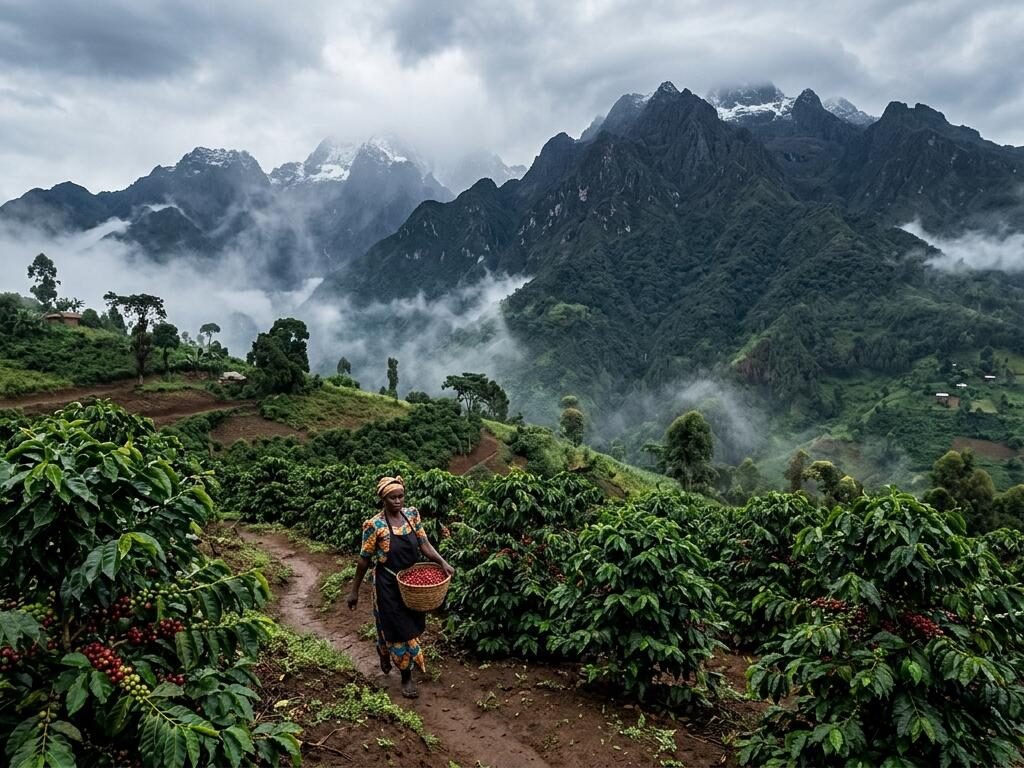
Coffee can become a gateway to rural communities, landscapes and culture. Cocoa can connect visitors to farming traditions and local livelihoods. Together, these experiences can create additional reasons for tourists to travel beyond Uganda’s established attractions.
The Question of Narrative Sovereignty
There is also a deeper economic and cultural argument behind the strategy.
For generations, developing countries have frequently supplied raw materials while wealthier markets controlled the narratives and premium products built around them. Uganda grows coffee, while international companies determine how much of its story reaches the final consumer.
By telling the story of coffee and cocoa from their place of origin, Uganda can begin to reclaim some of that narrative authority.
This is what can be described as narrative sovereignty: the ability of a country to determine how its culture, products and heritage are understood and presented to the world. The Expo’s strategy places Uganda’s communities, landscapes and heritage at the centre of that story.
The idea is not entirely new in the region. Rwanda has developed coffee tourism as part of its broader destination positioning, while Kenya has built tourism experiences around its tea heritage. Uganda’s opportunity is to develop its own model, particularly by bringing coffee and cocoa together within national tourism planning.
Making the Strategy Work
The biggest challenge will be implementation.
Turning agriculture into tourism can create new income opportunities for farmers and rural communities, but poorly managed tourism can also commercialize culture without ensuring that communities receive meaningful benefits.
Authenticity will therefore be critical. Visitors must encounter genuine communities, landscapes and agricultural practices rather than staged experiences created solely for tourists. Farmers must also have a meaningful role in the tourism value chain.
That will require careful planning, fair benefit-sharing, appropriate visitor numbers, investment in infrastructure and continued engagement with local communities.
Uganda plans to begin tourism integration pilots in coffee and cocoa-producing regions in 2027. International tourism operators who attended the Expo have already expressed interest, suggesting there is a market for agricultural experiences rooted in place and culture.
The real test, however, will be whether that interest translates into sustainable businesses and tangible benefits for farming communities.
A New Way of Telling Uganda’s Story
The Uganda Coffee & Cocoa Expo has therefore presented more than a commercial opportunity. It has offered a different way of thinking about Uganda’s agricultural heritage.
Coffee and cocoa can generate export earnings, but they can also become vehicles for tourism, cultural preservation, rural development and national branding.
If the strategy succeeds, visitors will encounter Ugandan coffee and cocoa not simply as commodities that happen to originate in Uganda, but as products inseparable from the country’s people, landscapes and heritage.
The Expo may have ended, but the more important work is beginning. Pilot projects, training, infrastructure and partnerships between farmers and tourism operators will determine whether the vision becomes a sustainable reality.
What is already clear is the direction: Uganda is seeking to move from being merely the producer of globally traded commodities to becoming the author of the stories that give those commodities meaning and value.
In an economy where storytelling increasingly shapes value, that is a significant shift.
