
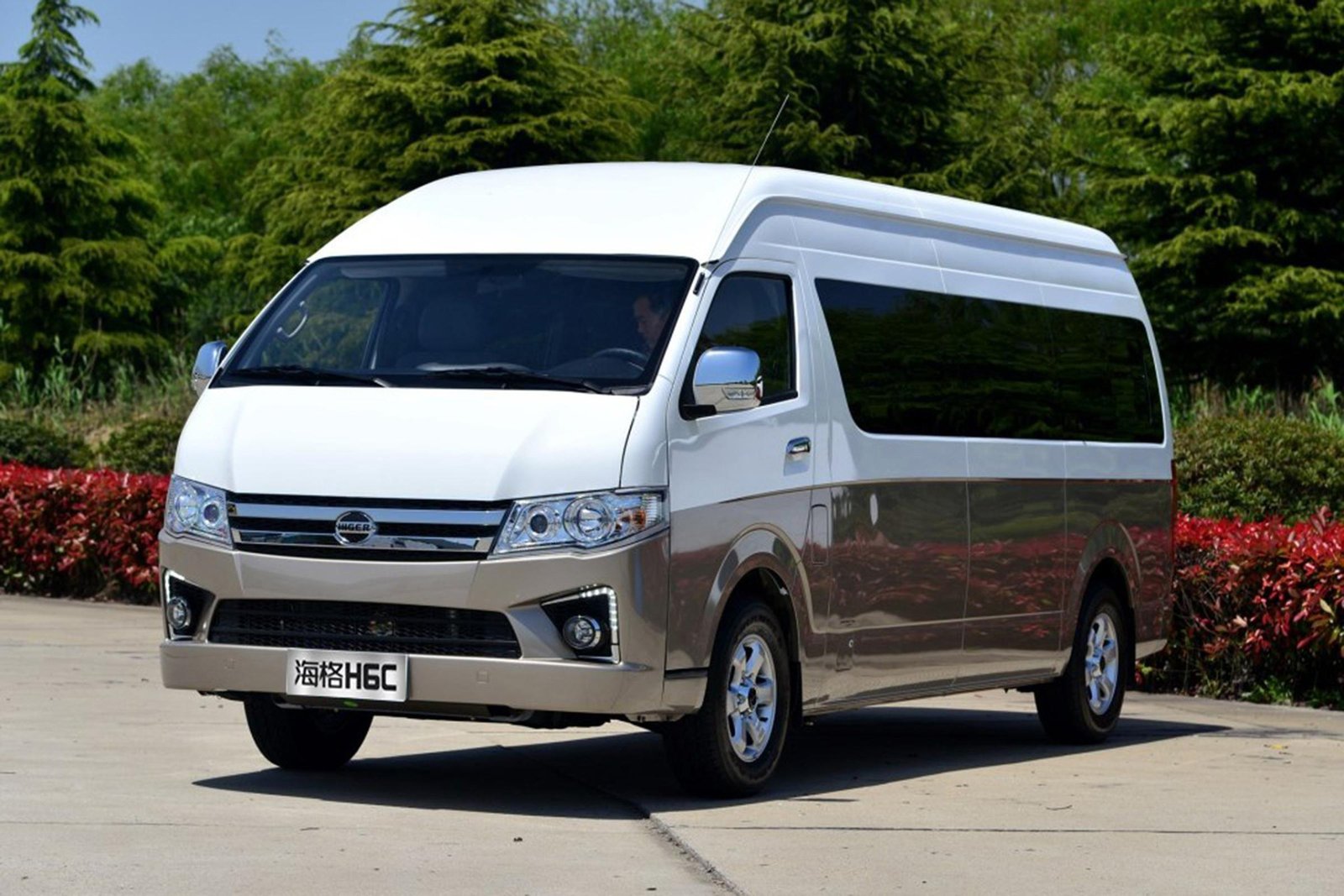
Kampala’s taxi industry is preparing for a shift from petrol and diesel to electric mobility, with taxi leaders exploring the rollout of 18-seater electric minibuses as operators look for ways to cut fuel and maintenance costs.
The initiative, being advanced by the Union Transport Alliance (UTA) and the Uganda Taxi Operators Federation (UTOF), comes as competition in Kampala’s public transport market intensifies following the introduction of government-backed electric buses.
UTOF chairman Rashid Ssekindi has previously criticised the rollout of Kiira Motors electric buses, arguing that government-backed buses risk creating an uneven playing field for private taxi operators. The proposed electric taxi model offers operators another response: replacing expensive fuel with electricity while retaining the smaller vehicle format used on Kampala’s congested feeder routes.
From Fuel Costs to Electricity
The operators have benchmarked electric minibuses in China before settling on Higer vehicles for the proposed transition. The Higer H6C is an 18-seater model, with the manufacturer listing a capacity of 18 passengers, expandable to 22 depending on configuration. Higer’s H5C EV, by contrast, is listed by the manufacturer at 15 seats.
For Kampala’s taxi operators, the attraction is primarily economic. Figures provided by the operators indicate that an electric minibus covering roughly 250 to 300 kilometres would require about UGX 37,000 in electricity, compared with approximately UGX 260,000 in petrol for a comparable daily run.
If those operating estimates hold under Kampala conditions, the difference would be substantial. Electricity costs would be about 86 percent lower than the stated petrol cost, before accounting for differences in financing, battery replacement, insurance, and other vehicle expenses.
The proposed purchase price is about UGX 100 million per vehicle, creating a significant upfront barrier for individual drivers.
SACCOs to Finance the Transition
To address the cost, UTOF is looking at a cooperative financing model in which drivers organise through Savings and Credit Cooperative Societies.
Under the proposed arrangement, SACCOs would help operators access financing for the vehicles, with repayments spread through daily or weekly operational earnings.
The approach follows the broader cooperative financing model being promoted within Uganda’s transport sector, where organised operators use collective structures to access assets and financial services.
The transition is also intended to remain voluntary. Existing petrol and diesel taxis would not automatically be removed from the roads simply because electric alternatives are introduced.
This gives operators room to test the economics of electric mobility before committing to wider fleet replacement.
Charging Could Decide the Outcome
The biggest challenge may not be the vehicles themselves. It is the infrastructure needed to keep them moving.
Taxi operators work on tight schedules, with vehicles making repeated trips throughout the day. Conventional plug-in charging therefore risks creating downtime if batteries take several hours to recharge.
UTA representative Amon Mulyowa has highlighted battery-swapping infrastructure as a key requirement for large-scale deployment.
Under a swapping model, depleted batteries would be exchanged for charged units at designated hubs, allowing vehicles to return to service faster than waiting for conventional charging.
For Kampala, this would require strategically located facilities around major taxi parks and busy routes, alongside adequate electricity supply and a reliable system for managing and maintaining batteries.
Electric Buses Are Already Changing the Market
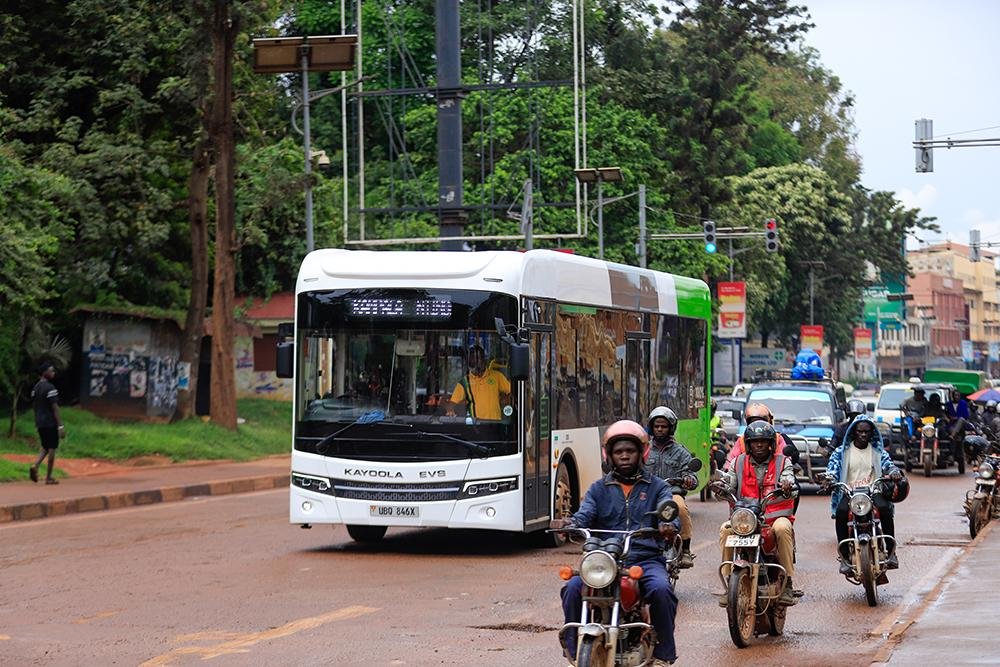
The taxi industry is making its move as electric buses enter Kampala’s public transport market.
Kiira Motors and KCCA launched a pilot involving eight electric buses in April 2026. The rollout has already triggered complaints from taxi operators, who argue that government-backed buses receive advantages unavailable to private operators.
The electric minibuses being considered by taxi operators would occupy a different space.
Instead of relying on larger buses operating along selected routes, 18-seater vehicles would retain the flexibility of Kampala’s existing taxi system, serving smaller feeder roads and adjusting routes according to passenger demand.
That flexibility could prove important in a city where congestion and road conditions often make larger vehicles less practical.
A New Business Calculation for Taxi Owners
For operators, the electric transition is ultimately a question of numbers.
A vehicle costing about UGX 100 million requires substantial financing, but lower energy and maintenance costs would alter the daily economics of running a taxi.
The success of the model will therefore depend on whether the savings from electricity are sufficient to cover financing costs, battery replacement, insurance, charging or swapping infrastructure and other operating expenses.
Kampala’s taxi industry is no stranger to pressure from rising operating costs. UTOF has previously called for government support for transport SACCOs as operators struggle with fuel and other expenses.
Electric minibuses would give operators a new route to address those costs while positioning the industry for a transport market increasingly shaped by cleaner technology.
For passengers, the bigger question will be whether lower operating costs eventually translate into more reliable services and affordable fares.
For taxi owners, the question is simpler: whether electricity can make the daily business of moving Kampala cheaper than fuel.
