
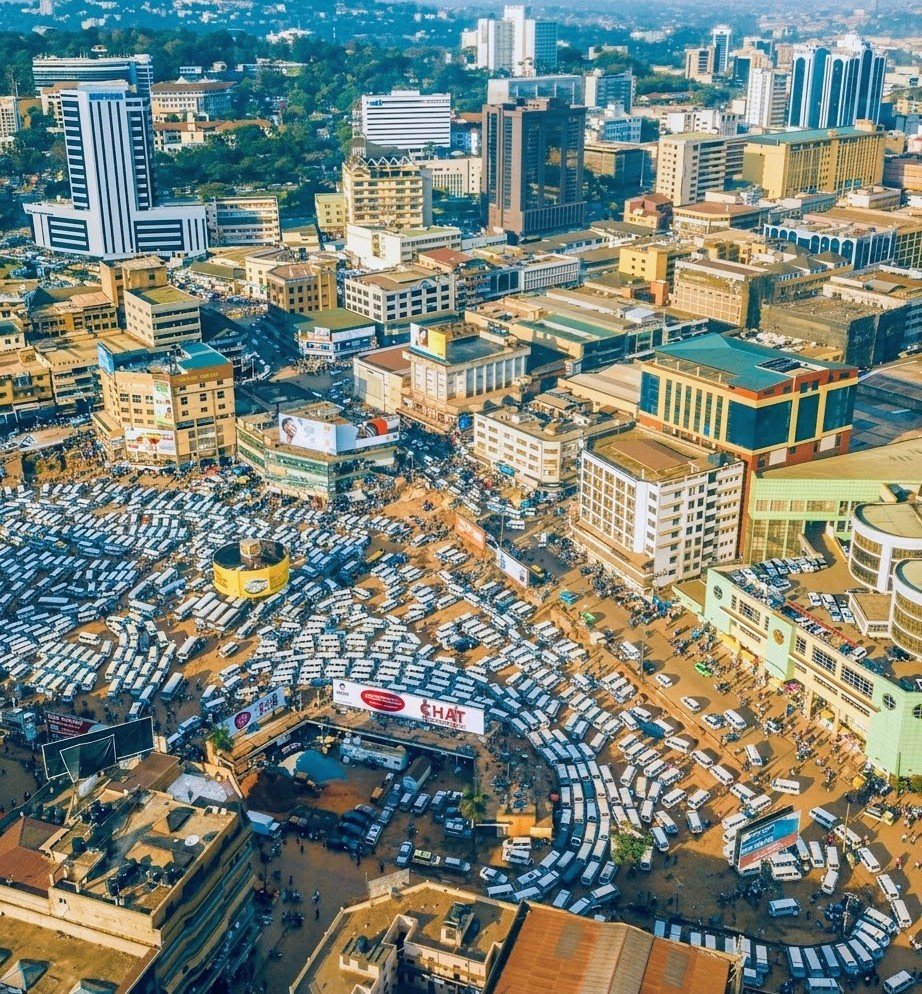
Uganda’s proposal to develop Nakasongola as a future administrative capital raises a question bigger than where government offices should sit. Can the country afford to build a new centre of government while Kampala, which still drives most of the economy, struggles with congestion and infrastructure gaps?
The proposal, backed by President Yoweri Museveni, envisages a phased relocation of key government institutions from Kampala to Nakasongola by 2040. It is not a plan to abandon Kampala. Officials insist the city would remain Uganda’s commercial centre, while Nakasongola gradually becomes the administrative seat of government. That distinction matters, because what is being proposed is not a replacement of Kampala but a second major urban centre the state would build largely from scratch while still running the one it already has.
How It Started
The idea of moving Uganda’s capital out of Kampala is not new. Versions of it have circulated for years, occasionally floated by past governments, usually pointing to Kampala’s traffic and the difficulty of expanding roads through land that is now privately owned or densely built up.
What changed in 2026 is that a sitting minister put the idea formally before Parliament, with the president’s backing attached. On July 12, Minister of State for Urban Development Margaret Muhanga presented the proposal to Parliament’s Lands and Housing Committee, arguing that Kampala had become unmanageable. She told MPs that Uganda loses about $1.6 billion a year to traffic congestion, with some residents waking as early as 4 a.m. to reach work by 8 a.m. “Kampala is unlivable, it is unchangeable, it is untenable, and we must move out of it,” she said. Government had also considered existing regional cities such as Mbarara, Fort Portal or Gulu, but ruled them out over similar planning problems.
Committee chairperson Edson Rugumayo welcomed the proposal and pushed for a concrete roadmap. Muhanga framed the timeline as gradual: “You don’t start it in one day. It can go up to 2040. It is in our Vision 2040 that we start slowly, moving different ministries, departments and agencies.”
The Reaction
The announcement did not land quietly. Kampala’s Mayor, Ronald Balimwezo, rejected the plan outright, arguing that such a significant decision should not simply be announced without broad public consultation, and that Kampala’s problems stem from underinvestment and weak enforcement, not a shortage of alternatives.
He noted that Kampala Capital City Authority needs roughly UGX 2.4 trillion a year to function properly but receives only about 40 percent of that, a 60 percent funding gap. “The solution is not to abandon Kampala,” he said. “The solution is to develop Kampala while strengthening and properly funding other cities.”
Property owners in Kampala raised a quieter concern about office demand and rental income if ministries gradually leave. Muhanga has repeatedly insisted Kampala will remain the commercial centre regardless.
Public reaction has been mixed, ranging from support among those who see Kampala’s congestion as unfixable to skepticism about whether Uganda can afford two cities at once.
Why Nakasongola
Nakasongola offers space Kampala no longer has. The district is centrally located, underpopulated and holds large tracts of available land. It touches all four regions of Uganda and lies roughly 111km from Kampala and 160km from Entebbe. More than 70 percent of land in Kampala is mailo or otherwise privately held, making infrastructure expansion legally complicated and expensive.
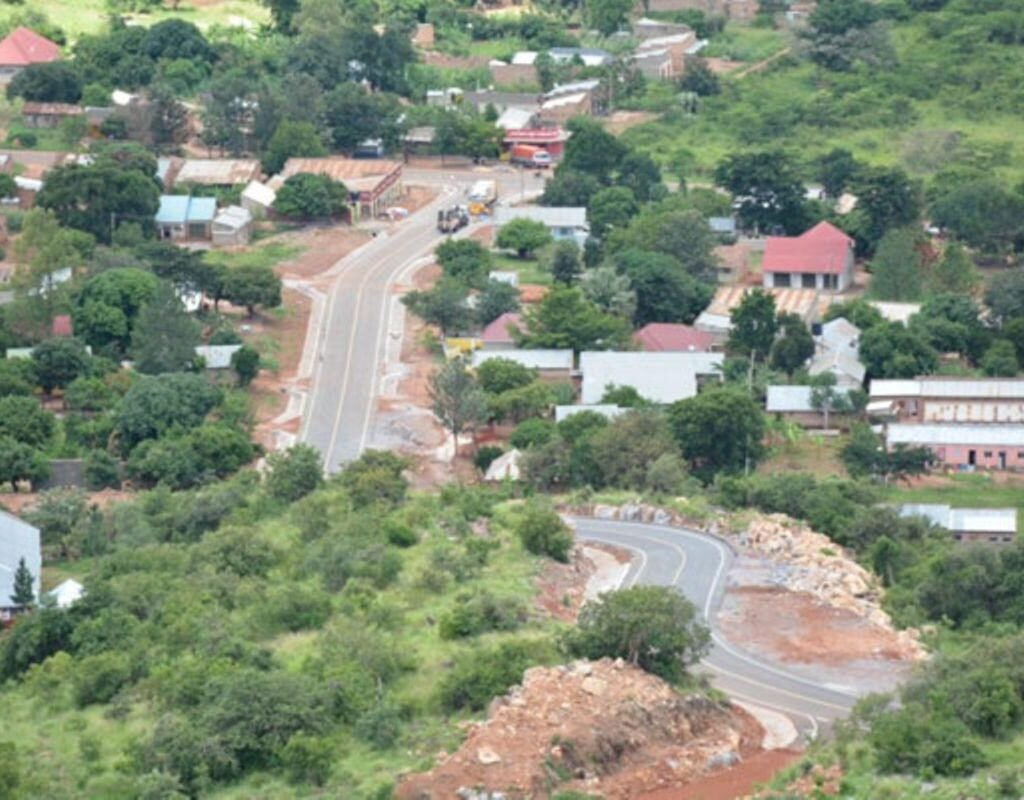
Nakasongola’s low development means officials believe roads, utilities and zoning could be planned before settlement and speculation take hold. Private developers have already floated a 45km by 20km city concept along Lake Kyoga, with civic, business, industrial and diplomatic zones linked to Kampala by highway and rail, though this remains a private vision rather than approved policy.
The Kampala Problem
Kampala’s strength is exactly what makes relocating government sensitive. Estimates vary, but Kampala contributes roughly 60 percent of Uganda’s GDP and about 80 percent of its industrial sector.
The Greater Kampala Metropolitan Area generates 31.2 percent of national GDP and holds 46 percent of formal employment, despite just 10 percent of the population, and hosts about 70 percent of the country’s manufacturing plants. Moving government does not automatically move any of that, raising the core question: will decentralising government actually ease Kampala’s pressure, or simply create an expensive second centre without shifting where the economy really sits?
What Relocation Would Mean, Economically
A phased exit could soften occupancy and rental values in parts of Kampala built around government business, though most commercial activity would have little reason to leave.
Nakasongola, meanwhile, could see a wave of land purchases and construction, but also speculative price spikes, displaced residents and stranded projects if momentum stalls.
Government has said Kampala won’t be starved of investment during the transition, meaning Uganda would need to fund two centres simultaneously for over a decade, a cost nobody has yet quantified. Kampala’s role as a regional trade and logistics gateway could also be affected by a divided national focus, and with 46 percent of formal jobs concentrated in Kampala, a real employment shift to Nakasongola would depend on whether banks, contractors and hotels follow government there, or stay put.
Can Uganda Afford the 2040 Deadline
A slow timeline doesn’t remove the cost, it spreads it, potentially for the better part of fifteen years. Tanzania’s move from Dar es Salaam to Dodoma was proposed in 1973 and only gained real momentum between 2015 and 2020 under President Magufuli, when strict deadlines and dedicated resources finally pushed it through. A 2040 deadline for Uganda is ambitious but not unprecedented, provided funding and political will survive changes in leadership.
The Bottom Line
Kampala isn’t going anywhere as a commercial hub, its banks, universities and private sector will remain central to the economy. The real question is whether splitting government and investment across two centres strengthens Uganda’s growth story, or simply doubles the infrastructure bill while leaving Kampala’s congestion, underfunding and weak enforcement unresolved. Until the promised feasibility study delivers hard numbers, Nakasongola remains a political commitment, not yet a costed national plan.
