
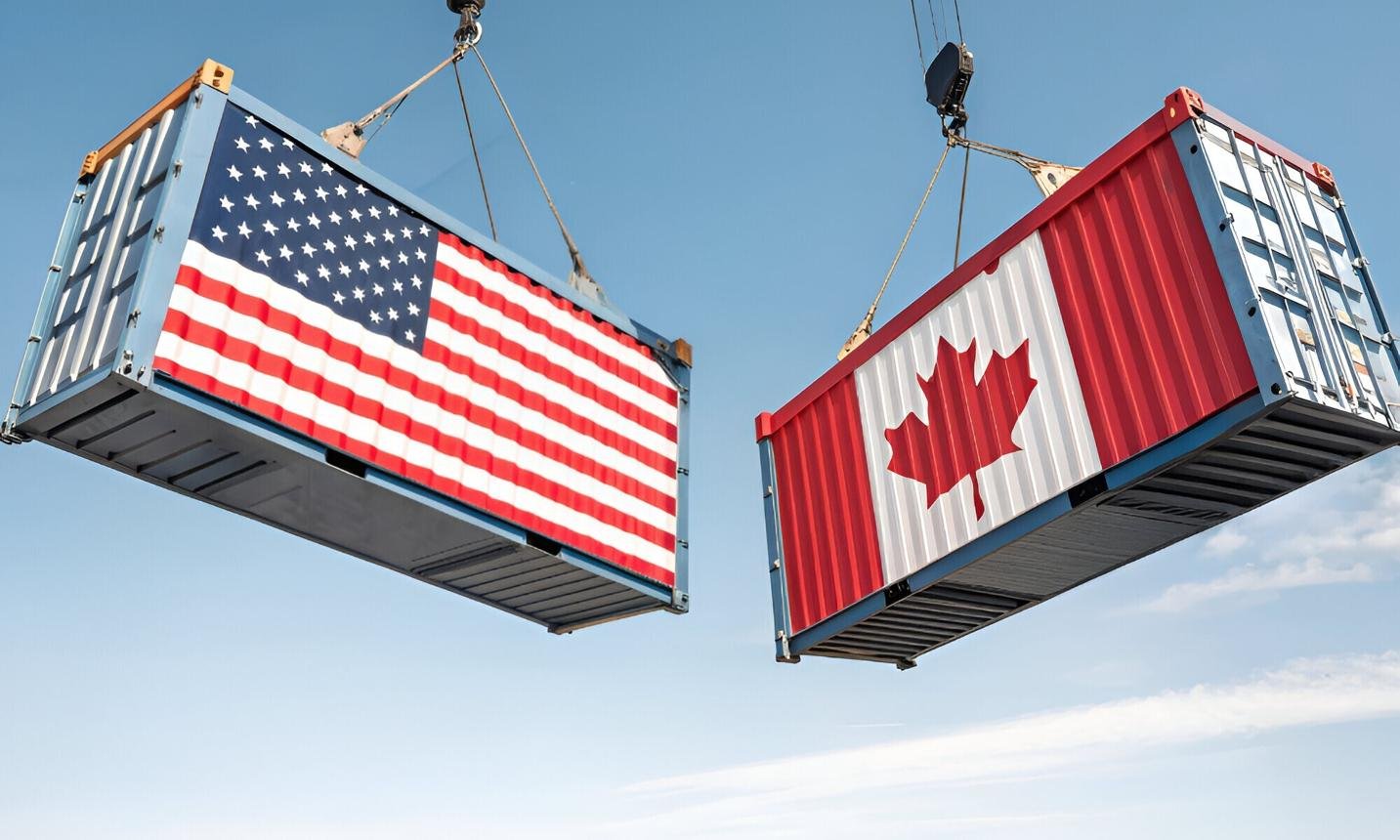
The United States has escalated its trade war with Canada from tariffs to outright import bans, shutting selected Canadian products out of the American market as tensions between the two North American economies deepen.
The Trump administration announced that broad categories of Canadian alcoholic beverages, motorcycles and selected dairy products will be barred from entering the United States from September 29. The measures came hours after Canada imposed retaliatory tariffs on about $27.6 billion of U.S. imports.
The latest action marks a significant change in Washington’s approach. Rather than simply raising the cost of Canadian goods through tariffs, the new measures prevent some products from accessing the U.S. market altogether.
The escalation follows the collapse of trade negotiations between Washington and Ottawa in August and threatens to further destabilise the economic relationship underpinning one of the world’s most integrated trading regions.
The White House measures target most Canadian alcoholic beverages, including beer and several categories of wine and spirits. Selected dairy-related products, including whey protein and certain molasses products, are also covered, alongside motorcycles. The administration has justified the measures partly because Canada has discriminated against American alcohol and dairy products.
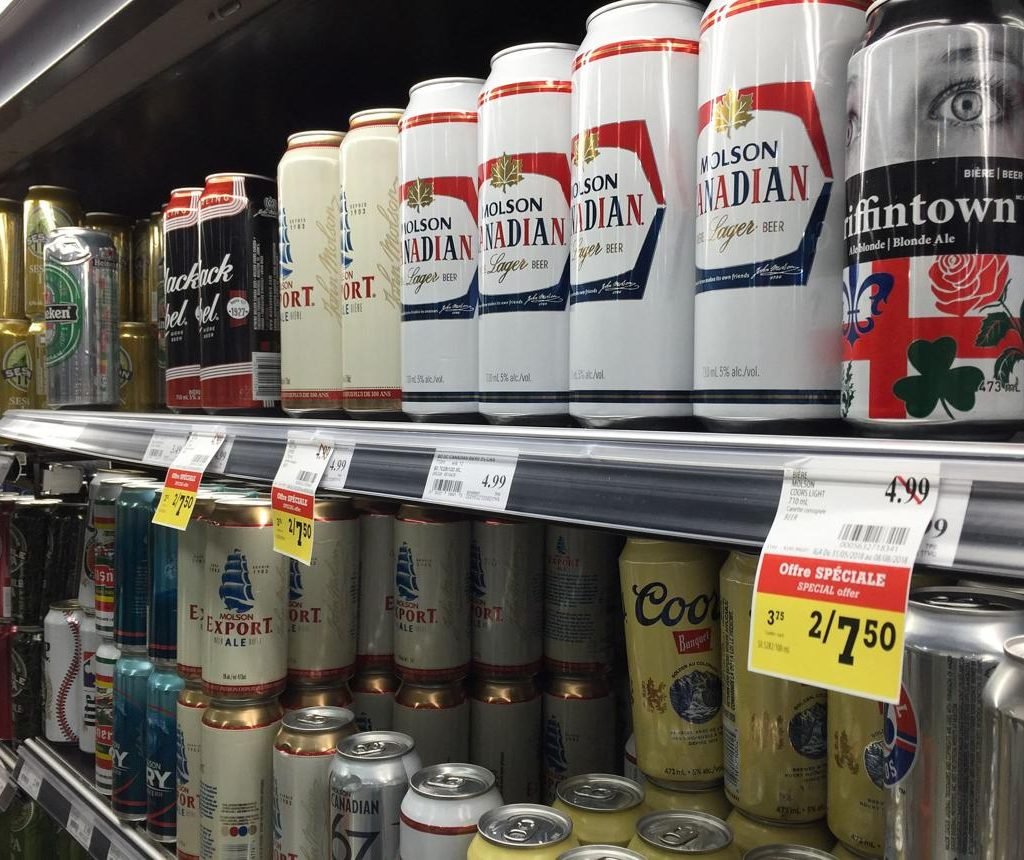
The White House said Canada’s restrictions on U.S. alcoholic beverages placed American commerce at a disadvantage, while its dairy measures cited Canada’s tariff-rate quota system for U.S. cheese.
Not every Canadian product facing new restrictions has been banned. Various cheese products, along with paper, aluminium, wood, furniture, lighting and other goods, have instead been placed under a 50% tariff regime. That distinction matters for Canadian exporters. A tariff leaves the U.S. market open at a higher cost, while an import ban removes the market altogether unless the measure is changed or the exporter shifts production.
Canada retaliates
Ottawa’s latest countermeasures took effect at 12:01 a.m. on September 8, covering products worth about $27.6 billion in U.S. imports. The Canadian government said the tariffs range from 15% to 50% and are designed to match U.S. Section 338 and Section 232 tariffs on Canadian goods. Targeted sectors include steel and aluminium, dairy, appliances, agricultural equipment, pulp and paper, plastics and electronics. The measures followed Washington’s decision in August to impose 50% tariffs on roughly $27.6 billion of Canadian goods.
The tit-for-tat response has created a cycle in which each government is using trade restrictions to increase pressure on the other. Canadian Prime Minister Mark Carney has argued that Ottawa must reduce its dependence on the United States, even if doing so carries short-term economic costs.
“We have everything we need to pivot and prosper,” Carney said on Tuesday, while acknowledging that diversification away from Canada’s biggest trading partner would come at a cost.
Bombardier becomes another pressure point.
The dispute is also spreading beyond conventional merchandise trade. President Donald Trump has threatened to prevent Canadian aircraft manufacturer Bombardier from selling its jets in the United States unless the company manufactures them domestically. That threat is separate from the September 29 bans on alcohol, dairy and motorcycles.
The administration has also directed the General Services Administration to remove Canadian-origin products from its Multiple Award Schedules unless Canada restores what Washington describes as full and fair reciprocity for American farmers and companies.
For Bombardier, the stakes are significant because the company already has a substantial American footprint. The company says it employs workers across more than 20 U.S. states and has a supply chain involving thousands of American companies.
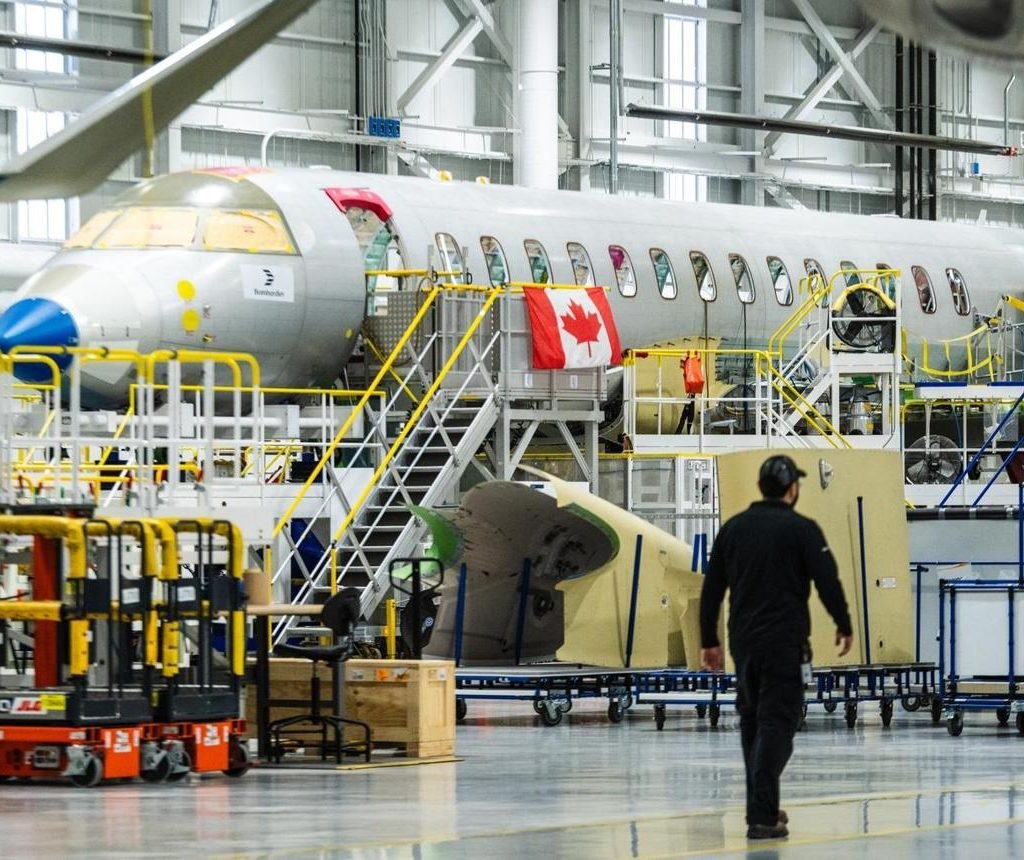
That makes the dispute more complicated than a simple Canada-U.S. export confrontation. Restrictions on Canadian manufacturers can also affect American workers, suppliers and customers embedded in cross-border production networks.
USMCA faces a bigger test
The immediate trade measures cover only a fraction of the total commerce between the two countries. But their significance extends beyond the value of the goods directly affected. Canada sent almost 68% of its exports to the United States this year, according to Canadian and U.S. government data cited by Reuters. About 80% of those exports moved duty-free under the United States-Mexico-Canada Agreement, highlighting the importance of the regional trade framework.
The current dispute therefore raises questions about whether the decades-old model of deeply integrated North American production can withstand prolonged political and trade confrontation. Industries such as automotive manufacturing, agriculture, energy and advanced manufacturing rely heavily on cross-border supply chains. Persistent tariffs and import restrictions could encourage companies to relocate production, seek alternative suppliers or redirect exports to other markets.
For Canada, that could accelerate efforts to expand trade with Europe and other international markets. For the United States, prolonged restrictions could raise costs for businesses that depend on Canadian inputs while reducing access to established Canadian suppliers.
The immediate economic impact of the latest bans may be limited because the affected products represent a relatively small share of the U.S. market. The larger risk is that the measures become part of a broader cycle of retaliation.
For North America’s businesses, the central question is no longer simply how much tariffs will cost. It is whether the region’s deeply integrated trade model can survive a shift from taxing cross-border commerce to blocking it.
