
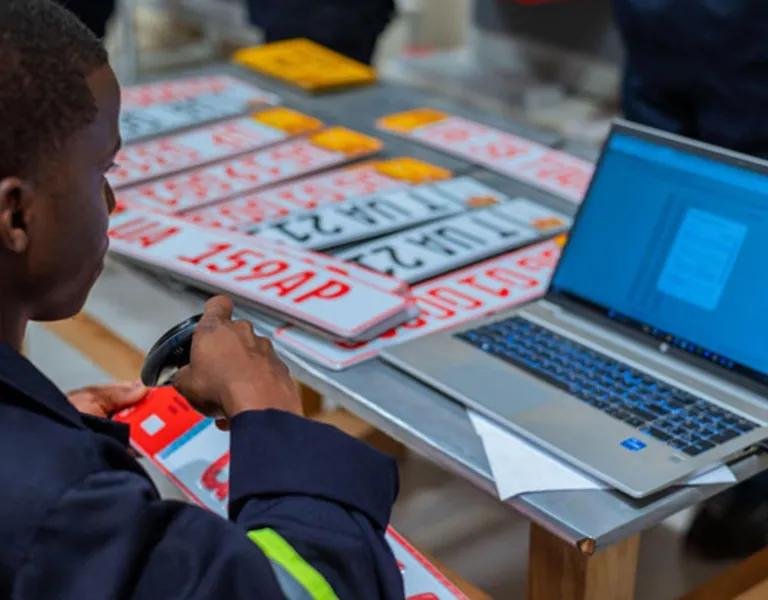
Uganda has sharply reduced delays in issuing digital number plates, with the average waiting time at Kampala vehicle bonds falling from 19 days in December 2025 to two days in September 2026, as a government backed local technology programme secured international recognition in London.
The Ministry of Works and Transport told Parliament’s Committee on Physical Infrastructure on September 30 that the number-plate backlog had been cleared following the restoration of component supplies in August. The improvement comes after months of production disruptions that affected motorists, vehicle importers and dealers and prompted parliamentary scrutiny of the digital number-plate project.
The ministry reported that the share of registration cases completed within two calendar days rose from 33% in July to 72% in September. At the Malaba and Mutukula One Stop Border Posts, officials said vehicles entering Uganda can now complete the process within hours.
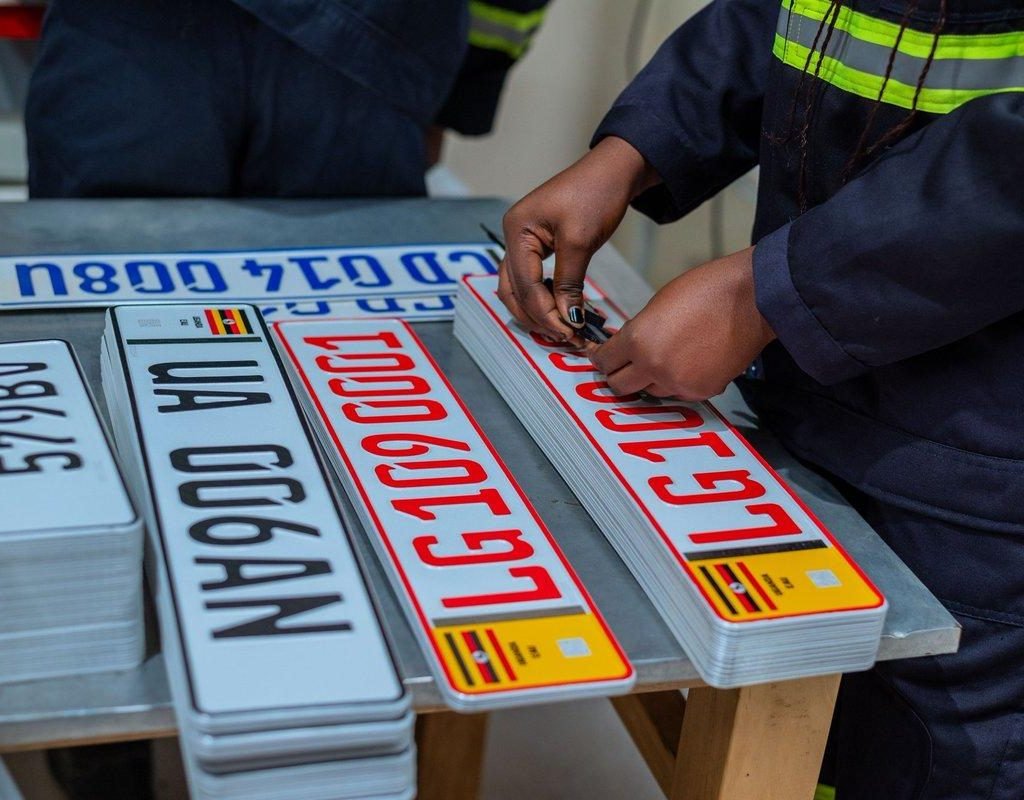
The recovery follows the restoration of steady supplies of components that had constrained production and contributed to the backlog. Lawmakers had sought explanations over the shortages, the cost of the plates and the operation of the Intelligent Transport Monitoring System, which underpins the digital identification and tracking system.
Despite the improvement in processing times, parliamentary scrutiny of the project is continuing. During the September 30 committee meeting, lawmakers questioned the Shs714,000 cost of digital number plates and sought further information on how the Intelligent Transport Monitoring System tracks vehicles and contributes to security operations.
Security Minister Jim Muhwezi told the committee that the tracking system was operational and had assisted authorities in recovering stolen vehicles. Parliament reported that several stolen vehicles had been tracked and recovered using the digital number-plate system.
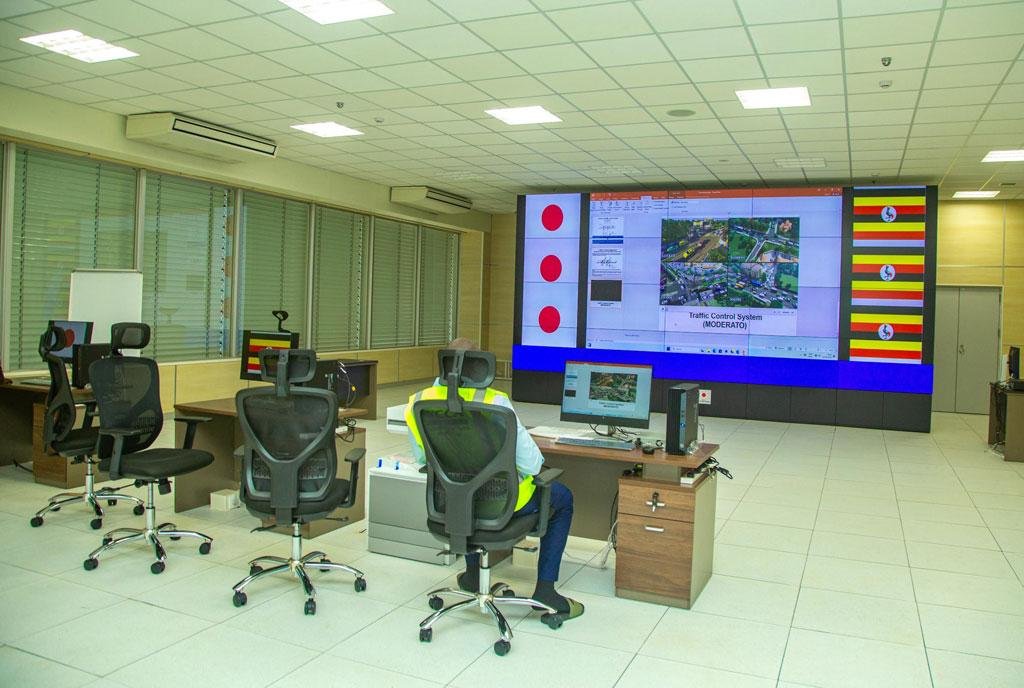
The committee is expected to inspect the ITMS monitoring centre as part of its examination of the technology and its operational framework.
The latest figures come as government moves towards wider migration to digital number plates, increasing pressure on the system to maintain reliable processing as demand grows. The programme was introduced to modernise vehicle registration, strengthen identification and improve the ability of authorities to monitor and track vehicles.
The recent supply problems exposed a key vulnerability in the system: the effectiveness of a technology-based public service depends not only on the digital infrastructure but also on the availability of the physical components required to operate it.
With the immediate production bottleneck easing, the next test will be whether the shorter processing times can be sustained as more motorists enter the system. The continued parliamentary review will also bring scrutiny to the system’s cost, security functions and operational performance.
While the transport sector works through those questions, Uganda’s wider digital ecosystem has received recognition beyond the country’s borders.
The National e-Booster Programme was recognised at the Commonwealth Telecommunications Organisation Digital Excellence Awards in London on September 30, during events marking the 125th anniversary of the Commonwealth Telecommunications Organisation.
The Uganda Communications Commission confirmed the recognition on October 1 following the event, which was attended by a Ugandan delegation led by UCC Executive Director Nyombi Thembo.
Thembo said on October 2 that Uganda’s e-Booster project had been named the best submission among Commonwealth member states.
The programme is implemented through the Uganda Communications Universal Service and Access Fund and supports locally developed ICT solutions aimed at addressing challenges in underserved communities and sectors.
The recognition comes as the programme enters its third cycle, with UCC working with partners including Makerere University Business School to support Ugandan innovators. The latest phase is designed to help innovators develop ideas into viable enterprises and prepare their solutions for wider deployment.
Priority areas include agriculture, health, education, financial inclusion, tourism and transport, placing the programme at the intersection of technology development and practical economic and social challenges.
For Uganda’s technology ecosystem, the international recognition provides visibility for locally developed solutions as government and regulators increase their focus on digital inclusion and domestic innovation.
The London engagements also brought Uganda into wider discussions on telecommunications, digital transformation and emerging technologies, including artificial intelligence governance and practical deployment. UCC currently serves as First Vice-Chair of the CTO Executive Committee, giving Uganda a role in the organisation’s work on digital access and ICT development.
The two developments illustrate different sides of Uganda’s digital transformation. The digital number-plate programme is applying technology to an established public service, with the focus now shifting towards reliability, security and the ability to process growing demand.
The e-Booster programme, by contrast, is focused on expanding the supply of locally developed technology by helping Ugandan innovators turn ideas into products and businesses capable of reaching users and markets.
Both programmes now face an implementation test. For digital number plates, the immediate question is whether improved component supplies and faster processing will continue as the system expands. For e-Booster, international recognition will need to be followed by evidence that supported innovations can move beyond incubation and funding into sustainable products with measurable reach.
The developments point to a broader shift in Uganda’s digital agenda: as technology moves deeper into public services and economic activity, the focus is increasingly moving from introducing digital systems to demonstrating that they can operate reliably, scale effectively and deliver measurable results.
