
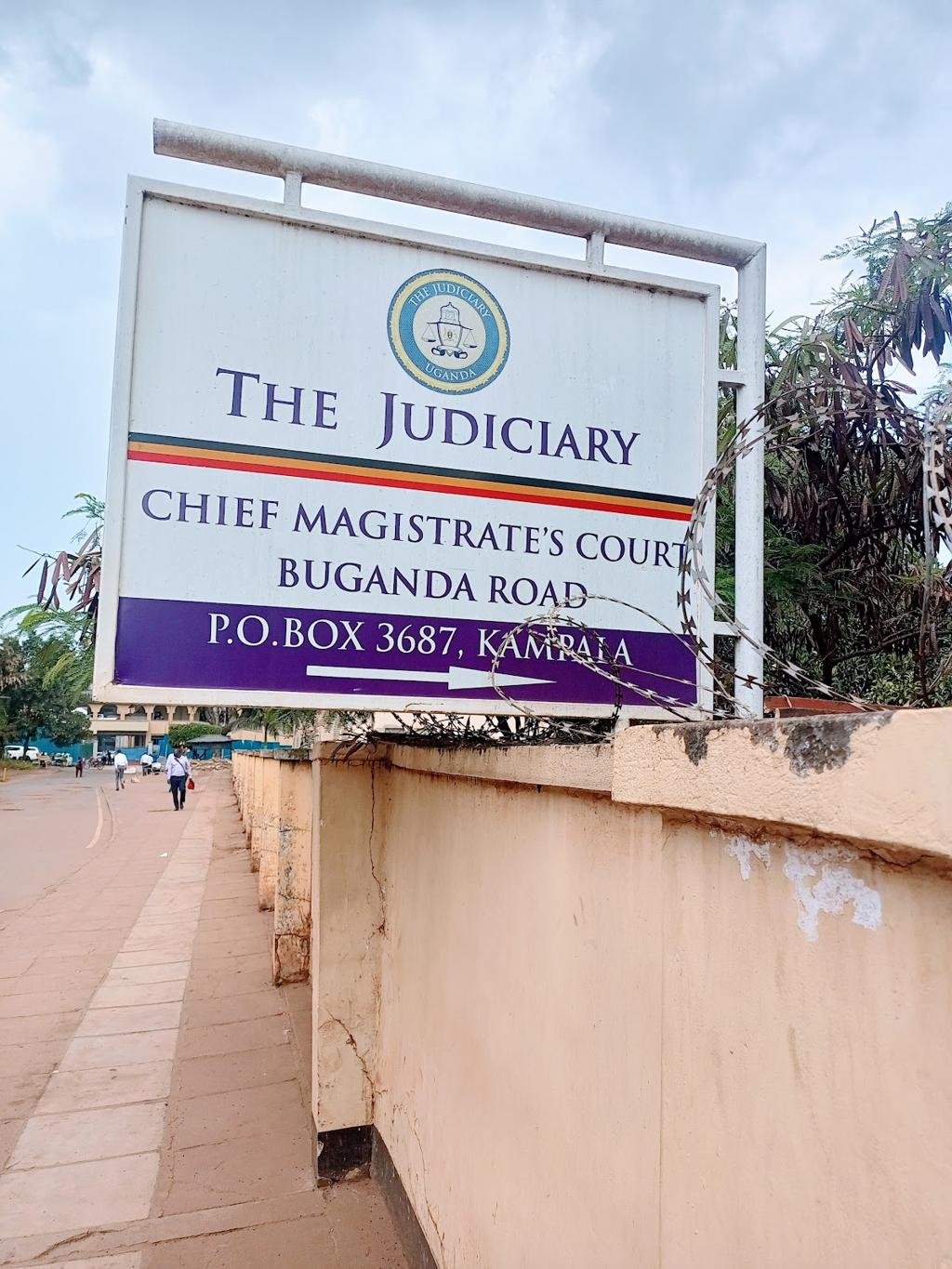
A business chasing an unpaid Shs80 million invoice now has a different route through Uganda’s court system.
Under the old jurisdictional limits, a dispute of that size could fall outside the financial reach of the lower courts and end up before the High Court. Under the new system, a Chief Magistrate can hear civil claims of up to Shs200 million, while a Magistrate can handle disputes worth up to Shs100 million.
On paper, the change should bring more disputes closer to the people and businesses involved. But there is another side to the reform. Uganda has expanded the powers of its lower courts at the same time as it has abolished Magistrate Grade II, requiring the remaining judicial officers to absorb their pending workload.
That raises a bigger question: is Uganda reducing its court backlog, or simply moving the bottleneck further down the judicial system?
The changes are contained in the Magistrates Courts (Amendment) Act, 2026, which has abolished the Grade II rank and substantially increased the financial jurisdiction of the magistrates who remain.
Chief Registrar Agnes Alum confirmed on October 1 that Grade II magistrates had been directed to vacate office after handing over their pending files to their immediate supervisors. The Judiciary has directed that those files be preserved and transferred through the appropriate channels.
The abolition formally brings the law into line with the Judiciary’s current structure, where the Grade II position had already been removed from the approved establishment.
The bigger change, however, is the expansion of financial jurisdiction.
Chief Magistrates can now hear civil disputes involving claims of up to Shs200 million, compared with the previous ceiling of Shs50 million. Magistrates can handle claims of up to Shs100 million, up from Shs20 million.
The previous thresholds had remained largely unchanged since 2007, even as the value of property, land and commercial transactions increased. Parliament and the Judiciary have argued that the old limits had become outdated and were contributing to unnecessary pressure on the High Court.
The effect was increasingly visible in ordinary disputes.
A claim that might have been considered substantial in 2007 could be relatively modest by 2026, yet the law could still require it to be handled at a higher level simply because it exceeded the monetary threshold for the lower courts.
For businesses, the implications are significant.
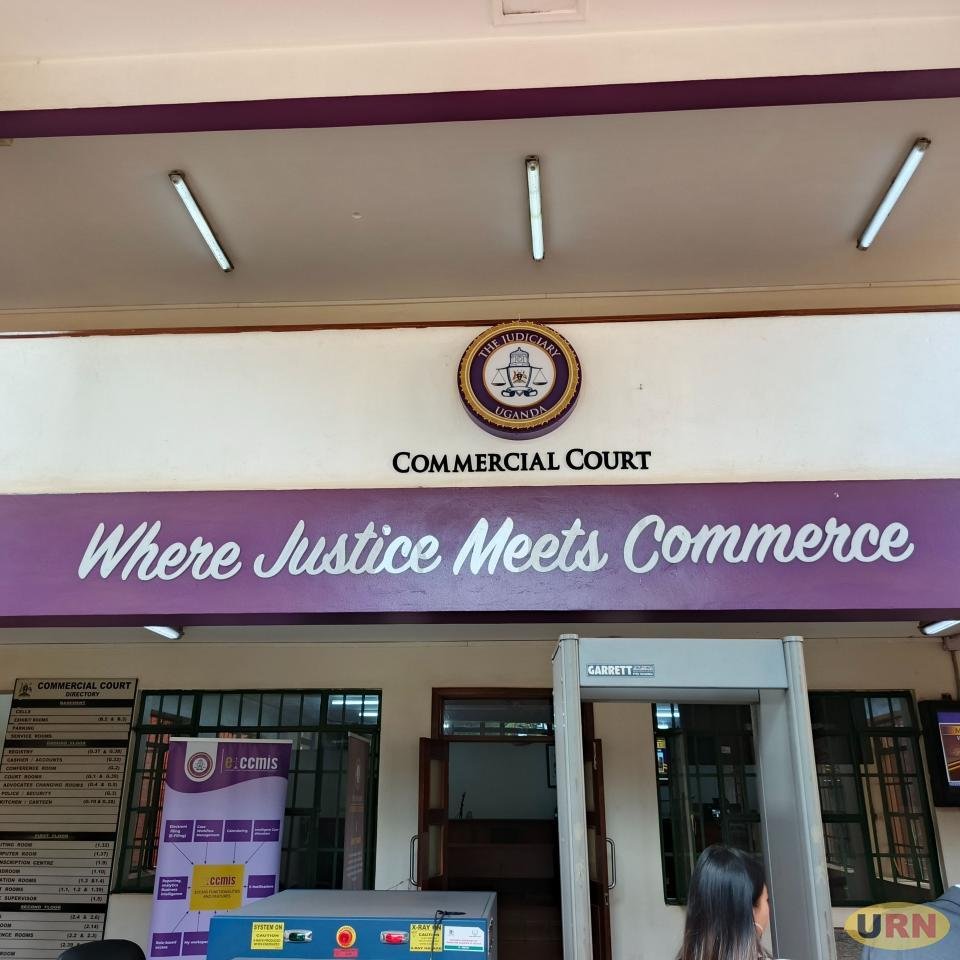
An Shs80 million unpaid invoice may not be a major dispute for a large corporation, but for a small or medium sized enterprise it can represent working capital needed to pay employees, suppliers, rent or lenders. Keeping such a dispute within the magistrates’ court system could reduce some of the costs and complexity associated with High Court litigation.
The same applies to disputes involving land, construction contracts, loans, unpaid debts and other commercial agreements.
The new thresholds mean that a larger number of these disputes can now be resolved within the lower court structure rather than being pushed upwards because of their monetary value.
The reform also addresses cases filed in the wrong court. Chief Magistrates have greater powers to withdraw and transfer cases between magistrates’ courts and, where necessary, facilitate their transfer to the High Court.
That could spare litigants the expense and delay of having a case dismissed on jurisdictional grounds and then having to start the process again in another court.
For a business, avoiding that restart can be particularly important. A dispute that remains unresolved can tie up capital, disrupt cash flow and create uncertainty around contracts and business planning.
But the potential gains come with an important operational risk.
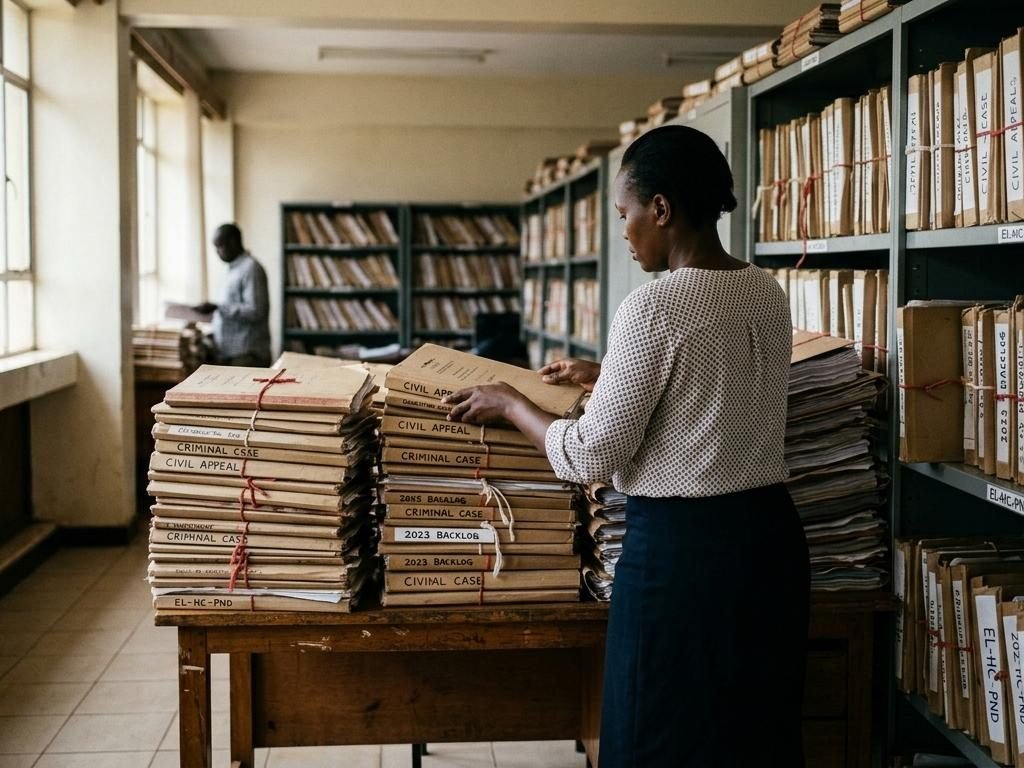
The lower courts are being asked to handle more cases at precisely the moment that one layer of the magistracy is disappearing.
Grade II magistrates previously dealt with lower-value matters, particularly at county level. Their civil jurisdiction was limited to claims of up to Shs500,000. Their abolition means their pending files must now be absorbed by the remaining judicial officers.
At the same time, those same officers have been given responsibility for much larger and potentially more complex civil disputes.
A Chief Magistrate could therefore be dealing with cases involving commercial contracts, land and claims worth hundreds of millions of shillings while also absorbing cases transferred from the abolished Grade II structure.
That is where the reform could encounter its biggest test.
Increasing jurisdiction does not automatically increase the number of courtrooms, magistrates, clerks, registrars or case-management resources available to process the additional work.
If capacity grows alongside jurisdiction, the reform could help reduce the High Court’s workload and bring justice closer to litigants.
If it does not, congestion could simply move.
The High Court may receive fewer cases, but magistrates’ courts could begin accumulating longer queues of their own. For businesses, that would mean that the court named on the statute has changed without necessarily changing the amount of time required to resolve a dispute.
The complexity of the new cases also matters. A Shs150 million land dispute is not necessarily easier to determine than a Shs10 million claim. Commercial cases can involve multiple contracts, witnesses and documents, while land disputes can require detailed examination of ownership histories and competing claims.
The monetary ceiling therefore tells only part of the story.
The Judiciary will need sufficient personnel, infrastructure, records management and case-management systems to ensure that the expanded jurisdiction produces faster case disposal rather than simply increasing the number of files sitting before individual magistrates.
For ordinary Ugandans, the potential benefit is considerable. A person involved in a civil dispute worth Shs60 million may now have access to a lower court that is closer to their community. Businesses pursuing mid-sized claims can potentially avoid sending every dispute into the High Court system.
But the real measure of the reform will not be the new figures printed in the law.
It will be what happens after a litigant files a case.
If an SME pursuing Shs80 million can obtain a hearing and determination more efficiently, the reform will have delivered a practical benefit. If the case simply joins a growing queue at the magistrates’ court, the bottleneck will have moved rather than disappeared.
Uganda has therefore changed the architecture of its lower courts in a significant way. The Grade II rank has gone, while the remaining magistrates have been given substantially greater financial authority.
The policy objective is clear: resolve more disputes at the lower level, reduce pressure on the High Court and bring justice closer to the public.
The next challenge is capacity.
The success of the Shs200 million reform will ultimately depend not on how much authority magistrates have been given, but on whether Uganda gives them enough resources to use that authority effectively.
The law has moved more cases downward. The question now is whether the courts below are ready to carry them.
